










Paying people in Malaysia involves more than sending money to a bank account. Behind every payment sit local payment rails, an exchange rate and a set of compliance checks, and these decide what a payment costs and how quickly it arrives.
But how do businesses actually pay Malaysian vendors, agencies and creators? In short, they send ringgit to a Malaysian bank account or a DuitNow ID. Through a payout provider, the business funds a balance in its own currency, sees the rate and fees, and the payment typically credits within minutes.
The same approach works for suppliers, contractors and agencies, one payment at a time or in bulk. This guide covers how to pay Malaysian vendors, what DuitNow and bank transfers involve, what they cost, how long they take and what compliance asks for.
How do businesses pay Malaysian vendors and agencies?
Businesses pay Malaysian vendors and agencies in ringgit, by DuitNow or bank transfer, usually through a payout provider rather than a wire from their own bank. Here is how to pay Malaysian vendors from abroad:
- Fund a balance in the currency you hold.
- Add the vendor's DuitNow ID or Malaysian bank details.
- Choose ringgit and the payout method.
- Review the live rate, fees and estimated delivery, then send and track the payment.
That is how to pay Malaysian suppliers, whether you pay Malaysian suppliers from abroad once a quarter or every week. Paying contractors in Malaysia works the same way, as does the process to pay Malaysian agencies.
What's the best way to pay creators and suppliers in Malaysia?
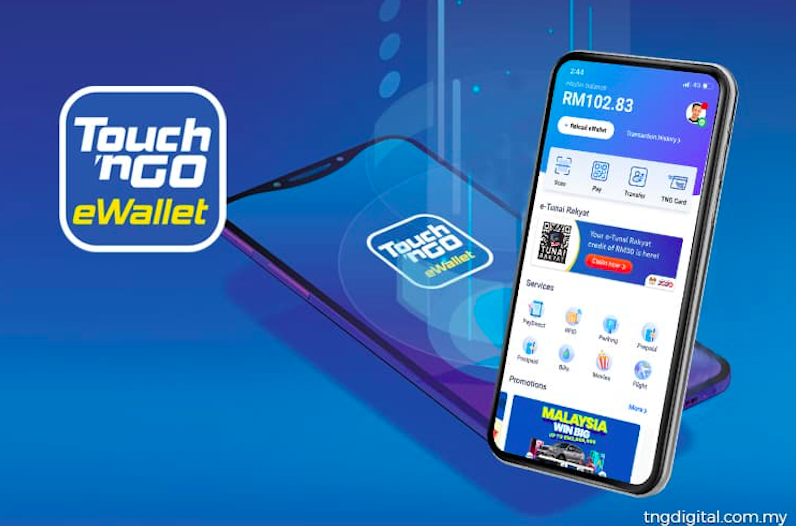
The best way to pay creators and suppliers in Malaysia is the way a local business would pay them: in ringgit, into a bank account, DuitNow ID or e-wallet. Some creators and freelancers prefer a wallet, and TransFi supports payouts to Touch ‘n Go eWallet, Boost and GrabPay alongside DuitNow bank transfers. That lets a business pay creators in Malaysia, pay Malaysian creators and pay suppliers through one process, with the cost shown before each payment is sent.
How can businesses pay Malaysian vendors in local currency?
Paying in local currency means the vendor receives ringgit, like any other local payment, while the paying business handles the conversion. Here is how to pay Malaysian vendors and agencies in ringgit: the business holds funds in its own currency, and the provider converts them at the live rate when the payment is sent. The same steps let a business pay Malaysian vendors in ringgit one at a time, or pay Malaysian agencies in local currency on a regular schedule.
Compare the ringgit amount with the invoice before you confirm.
Can businesses pay many Malaysian vendors at once?
Yes. Bulk payments to Malaysia suit agency retainers, contractor runs and supplier invoices. With TransFi, up to 50 payouts can be uploaded in a single file from the dashboard, and an API is available for bulk vendor payouts to Malaysia.
Finance teams can trigger ringgit payouts from SAP, NetSuite or Xero, recipient details are checked before processing, and payments that fail for temporary reasons are retried automatically. That makes paying Malaysian agencies at scale a routine job, and a disbursement to Malaysian vendors can be one-off or recurring.
How do businesses pay via DuitNow or bank transfer?
DuitNow Transfer is an instant credit transfer service operated by PayNet and supported by all major banks and many e-wallet providers in Malaysia. Here is how to pay Malaysia via DuitNow or bank transfer:
- DuitNow: use the vendor's DuitNow ID, such as a mobile number, NRIC or business registration number.
- Bank transfer: use the vendor's full name, Malaysian bank name and account number.
For company payments, a business registration number and an invoice reference can be added for audit and reconciliation.
On the DuitNow rail itself, PayNet's FAQ says consumers can transfer up to RM50,000 per transaction and businesses up to RM10 million, and daily or monthly limits may differ by bank. Transfers are free for consumers up to RM5,000, and a RM0.50 fee may apply above that. These are the local rail's terms; a cross-border payout has its own fees, covered next.
What's the cheapest way to pay vendors in Malaysia?
The cheapest way to pay vendors in Malaysia is the one with the lowest total cost: the fee, plus the gap between your rate and the mid-market rate, plus any bank charges on the way. Here is an illustrative example, not a live rate. A vendor invoices MYR 20,000. At a mid-market rate of 4.00 ringgit per US dollar, that costs USD 5,000. At a rate of 3.90, it costs about USD 5,128, which is USD 128 more before any fee. To pay Malaysian suppliers with low FX cost, compare the rate with mid-market, not only the fee.
TransFi benchmarks its rates to mid-market with a disclosed margin. Fees vary by sending currency, payout method and volume, the full fee and rate breakdown is shown before you confirm, and there are no hidden correspondent banking fees.
How long do vendor payments to Malaysia take?
For vendor payments Malaysia has fast local rails. Most transfers to Malaysian bank accounts through DuitNow credit within minutes, 24 hours a day, including weekends and public holidays. FPX and corporate payments may settle the same day or the next business day, depending on the sending currency and cut-off times.
What do businesses need for compliance?
TransFi payouts are for registered businesses. Every transaction goes through identity checks, anti-money-laundering checks and transaction monitoring, and payments are screened against Malaysian and international sanctions lists. Business and beneficiary verification are aligned with regulations on both sides of the corridor, and audit trails are kept.
On the paying business's side, the basics are a proper invoice from every vendor, its reference on the payment and good records. Tax rules depend on your country and what you buy, so check with your accountant.
How TransFi simplifies vendor payments in Malaysia
Paying vendors in Malaysia often means a separate bank wire for each payment and no clear view of the exchange rate. TransFi gives registered businesses a multi-currency payout account, where balances can be held across multiple currencies and stablecoins and used to pay employees, freelancers, vendors and partners.
Payouts to Malaysia go out in ringgit by DuitNow or bank transfer, with the live rate, fees and estimated delivery shown before the payment is confirmed. Suppose a US software company pays a Malaysian design agency and ten freelancers each month. It can fund its balance, upload the payouts as one file, have a teammate approve them through maker-checker roles and pay each recipient in ringgit. TransFi's US to Malaysia payments start with an amount in US dollars, and the vendor receives ringgit.
Planning to pay Malaysian vendors from abroad? Talk to TransFi's team about your setup.
Conclusion
Paying Malaysian vendors, agencies and creators works best in ringgit, over local rails, with the cost visible before you send. TransFi brings a multi-currency payout account, DuitNow and bank payouts and wallet payouts together in one place.
FAQs
1. How do businesses pay Malaysian vendors from abroad?
In ringgit, by DuitNow or bank transfer, through a payout provider.
2. What is a DuitNow ID?
A registered identifier linked to a bank account, such as a mobile number, NRIC or business registration number.
3. How long do payments to Malaysia take?
Most DuitNow credits arrive within minutes, any time of day. FPX and corporate payments may take the same day or the next business day.
4. Can many vendors be paid at once?
Yes. With TransFi, up to 50 payouts can be uploaded in a single file, with an API for bulk runs.