










TransFi logo

Malaysia

Accept Payments in Malaysia with Local Methods & Stablecoins

One integration to accept FPX, DuitNow QR, and Malaysian online banking — eWallets, bank transfers, cards, and stablecoins all in one place. Send and receive money your way across Malaysia.

33M

Population

44th largest in the world

$12B

E-commerce volume

Annual GMV in 2025

29M

Internet users

88% internet penetration rate

22M

Online shoppers

Growing 15% YoY

PAYMENT METHODS

Discover variety of payment options in Malaysia

Bank Transfer

Move money directly from bank to bank

Bank of ChinaBank TransferBNP ParibasChina Construction BankCIMBDeutsche BankHong LeongHsbc BankMaybank BerhadMizuho BankMUFG BankPublic BankRHBSumitomo Mitsui Banking Corporation

Wallets

Money that lives in the app

BoostDuitnowFPXGrabpayShopeepayTouch 'n Go

QR

One scan, any bank, any wallet

Coming Soon

Cash Payment

Pay in stores with an online voucher

Coming Soon
WHY THIS MARKET

Why businesses choose TransFi in Malaysia

Local payment rails in Malaysia

Deliver and collect via FPX, DuitNow QR, and Malaysian online banking — the methods people in Malaysia already use every day.

Fast MYR settlement

Most transfers involving Malaysia settle within minutes via instant payment networks and mobile wallets.

Transparent FX on MYR corridors

See the exact exchange rate and fees before you send — no hidden spreads on Malaysia payment routes.

Built for Malaysia cross-border flows

Whether paying vendors, contractors, or family, TransFi routes MYR through compliant local infrastructure in Malaysia.

PAYMENT DEEP DIVE

How Malaysians Pay: DuitNow, FPX, and the Cashless Majority

Understanding Malaysia's payment stack is essential for any business targeting the market. Unlike fragmented wallet-only ecosystems in some neighbouring countries, Malaysia built interoperability into its core infrastructure from the start. DuitNow QR has become the universal checkout standard — a single scan works whether the payer uses Maybank, CIMB, Touch 'n Go eWallet, or Boost. FPX remains the dominant method for e-commerce cart checkout, routing payments through customers' online banking portals with high trust and low chargeback rates.

E-wallets account for a significant share of daily spending, particularly among younger demographics and for transport, food delivery, and micro-transactions. Card payments — both local debit and international Visa/Mastercard — are widely accepted but often carry higher merchant fees, making QR and FPX more attractive for domestic-focused businesses.

TransFi aggregates these rails into one integration, handling payer authentication, compliance with Bank Negara requirements, and real-time settlement notifications. The result is a checkout experience that feels native to Malaysian users while giving merchants global reach and predictable economics.

DuitNow QRFPX (Financial Process Exchange)Touch 'n Go eWalletBoostGrabPay Malaysia

DuitNow QR

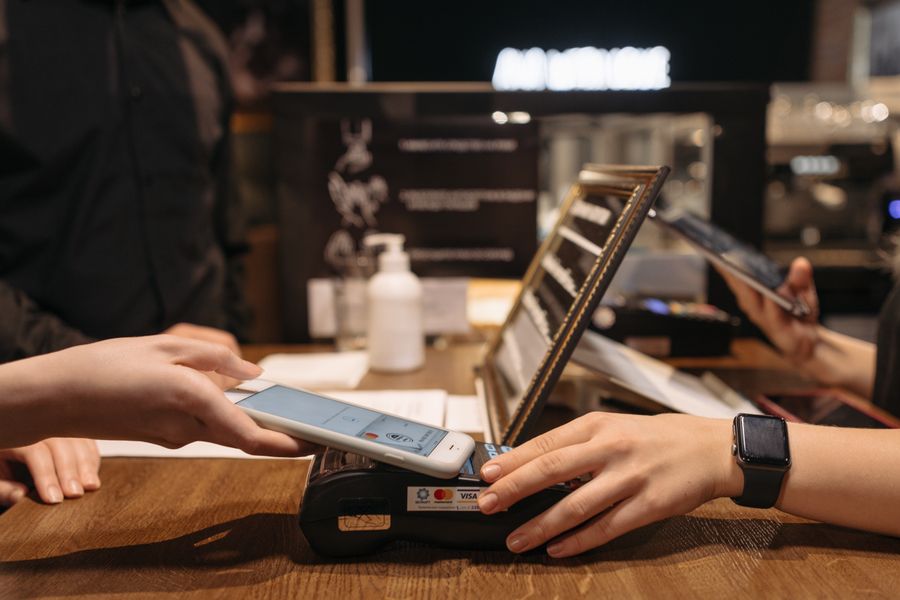
DuitNow QR is Malaysia's national interoperable QR payment standard, governed by PayNet and adopted by every major bank and e-wallet. Consumers scan a merchant QR code or display their own QR for payment — funds settle instantly across participating institutions. With DuitNow QR now accepted at over 1.5 million merchant touchpoints nationwide, it is the default payment method from petrol stations to night markets.

For international merchants, DuitNow QR offers the highest conversion rates among Malaysian payment options. Shoppers recognise the DuitNow logo instantly and complete payment in seconds without entering card details. TransFi generates dynamic DuitNow QR codes at checkout, supports both merchant-presented and customer-presented flows, and confirms payment in real time — enabling immediate order fulfilment for digital goods and same-day dispatch for physical products.

FPX (Financial Process Exchange)

FPX is Malaysia's trusted online banking payment gateway, connecting shoppers directly to their bank's internet banking portal for secure authorisation. It supports all major Malaysian banks including Maybank, CIMB, Public Bank, RHB, and Hong Leong Bank. FPX transactions are irrevocable once authorised, giving merchants strong protection against friendly fraud and chargebacks.

FPX dominates Malaysian e-commerce checkout, particularly for higher-value purchases where consumers prefer bank-direct payment over card entry. Average transaction values on FPX exceed e-wallet averages, making it ideal for electronics, travel bookings, and B2B invoice payments. TransFi's FPX integration handles bank selection, redirect flows, and settlement reconciliation — merchants receive a single webhook regardless of which bank the customer chooses.

Touch 'n Go eWallet

Touch 'n Go eWallet (TNG) is Malaysia's largest e-wallet by active users, originally built around highway toll payments and now a full-service financial app covering transport, parking, food, utilities, and peer-to-peer transfers. With over 20 million registered users and deep integration into the DuitNow network, TNG is often the first payment app Malaysians open each day.

TNG's user base skews urban and mobile-first, making it essential for ride-hailing, food delivery, and lifestyle platforms. TransFi connects to TNG through DuitNow interoperability and direct wallet APIs, allowing merchants to present TNG as a branded checkout option. Settlement is fast, fees are competitive, and the wallet's loyalty and cashback features can be leveraged through partner programmes for repeat purchase campaigns.

Boost

Boost is Axiata's homegrown e-wallet, strong in retail partnerships, petrol stations, and small-business acceptance. It offers cashback rewards, bill payment, and DuitNow-linked transfers, appealing to value-conscious consumers across Peninsular and East Malaysia. Boost has invested heavily in merchant acquisition, particularly among SMEs that may not accept cards but readily display a DuitNow or Boost QR sticker.

For merchants targeting price-sensitive segments or running promotional campaigns, Boost provides an engaged user base receptive to discounts and loyalty mechanics. TransFi enables Boost checkout alongside other Malaysian rails, so businesses never need to choose between wallet audiences — all major options are available from a single integration point with unified reporting and settlement.

GrabPay Malaysia

GrabPay extends the Grab super-app's payment capabilities to online and offline merchants across Malaysia. Integrated with Grab's ride-hailing, food delivery, and financial services ecosystem, GrabPay benefits from high daily engagement among urban professionals in Kuala Lumpur, Penang, and Johor Bahru. Users can top up via bank transfer, card, or cash at 7-Eleven outlets nationwide.

GrabPay is particularly effective for on-demand services, subscription billing tied to Grab's platform, and cross-border travellers familiar with Grab across ASEAN. TransFi supports GrabPay as part of its Malaysian wallet coverage, enabling international platforms to tap into Grab's user base without separate commercial negotiations. Real-time payment confirmation and standardised settlement reporting simplify operations for global teams managing multi-country payment stacks.

USE CASES

How businesses use TransFi in this market

E-Commerce and Marketplace Checkout

E-Commerce and Marketplace Checkout

Malaysian online shoppers expect FPX and DuitNow QR at checkout — businesses that offer only international cards see cart abandonment rates 30–40% higher than those with local methods. TransFi enables marketplaces and D2C brands to present the full Malaysian payment menu from day one, with dynamic QR generation for mobile web and hosted FPX redirects for desktop shoppers. Multi-vendor platforms benefit from split settlement logic that routes funds to sellers while collecting platform fees in a single transaction flow.

SaaS and Subscription Billing

SaaS and Subscription Billing

Malaysia's growing tech sector and SME digitisation drive demand for cloud software, accounting tools, and productivity subscriptions billed in ringgit. Recurring FPX mandates and e-wallet auto-debit capabilities allow SaaS providers to reduce involuntary churn from expired cards. TransFi's subscription-aware payment APIs support retry logic, dunning notifications, and prorated upgrades — giving global SaaS companies a localised billing experience without maintaining separate Malaysian payment infrastructure.

Singapore–Malaysia Cross-Border Commerce

Singapore–Malaysia Cross-Border Commerce

The Johor–Singapore causeway is one of the world's busiest border crossings, and the economic ties between the two nations generate constant payment flows for payroll, supplier invoices, tuition fees, and family remittances. Businesses operating in both markets need payment rails that work seamlessly on either side. TransFi's dual coverage across Malaysia and Singapore lets platforms route collections in MYR via DuitNow and FPX while settling to SGD accounts or vice versa, eliminating the need for multiple payment providers along the corridor.

Gaming, Digital Content, and In-App Purchases

Gaming, Digital Content, and In-App Purchases

Malaysia is a top-five Southeast Asian market for mobile gaming and streaming subscriptions, with consumers accustomed to micro-transactions via e-wallets. Game publishers and content platforms integrating TransFi can offer Touch 'n Go, Boost, and GrabPay top-up flows that mirror the native in-app purchase experience. Low minimum transaction thresholds and instant confirmation support impulse purchases and battle-pass models that depend on frictionless sub-rm20 payments.

MARKET INSIGHT

Malaysia's Cashless Revolution: A $12 Billion Digital Payments Market

Malaysia has emerged as one of Southeast Asia's most digitally mature payment markets, positioning it as a critical hub for cross-border commerce across ASEAN. Urban consumers in Kuala Lumpur, Penang, and Johor Bahru expect QR-based checkout at hawker stalls and luxury malls alike, while rural adoption accelerates as affordable smartphones bring digital payments to every corner of the peninsula.

The transformation has been driven by coordinated national infrastructure. Bank Negara Malaysia's Payment and Settlement Systems Act and the National Payment Systems Roadmap created the regulatory foundation for instant, interoperable payments. DuitNow — the country's real-time payment rail — now connects more than 40 banks and e-wallet providers, enabling seamless person-to-person, person-to-merchant, and business-to-business transfers through a single national addressing scheme. The Singapore corridor — one of the world's busiest remittance and trade routes — further amplifies Malaysia's strategic value for businesses operating across both jurisdictions.

What are payment method trends in — Malaysia

Prefer WhatsApp?

Send and receive payments with BizPay — no app to install, no new dashboard to learn. Just chat.

Learn more about BizPay
Industries We Serve

Remittance & Payroll

Seamless global payouts and payroll with fast settlements, multi-currency support, and full compliance.

Remittances

Send money home with local settlement, transparent fees, and no banking delays.

Learn more

Payroll

Run global payroll with multi-currency support, local banking, and compliance coverage.

Learn more
GLOBAL COVERAGE

Expanding your business in other markets

AllAsia PacificEuropeLatin AmericaNorth AmericaAfricaMiddle East & North AfricaGlobal
TESTIMONIALS

What Businesses Say About Us

TransFi has completely simplified how we move funds across borders. The speed, transparency, and reliability are unmatched - it feels like the future of global payments is already here.

COUNTRY FAQS

Frequently asked questions about payments in Malaysia

What is DuitNow QR and why is it important for merchants in Malaysia?

DuitNow QR is Malaysia's national interoperable QR payment standard operated by PayNet. It allows any participating bank or e-wallet user to pay any merchant displaying a DuitNow QR code, regardless of which institution issued their account. For merchants, this means a single QR code reaches every cashless consumer in the country — over 82% of transactions. International businesses integrating through TransFi receive dynamically generated DuitNow QR codes at checkout, with real-time payment confirmation and no need to register with individual Malaysian banks.

How does FPX differ from card payments for Malaysian e-commerce?

FPX routes customers to their bank's online banking portal for direct account debits, bypassing card networks entirely. This gives shoppers a familiar, trusted experience and gives merchants lower processing fees and near-zero chargeback rates compared to card payments. FPX is the default checkout option on most Malaysian e-commerce sites for transactions above RM50. TransFi's FPX integration supports all participating Malaysian banks and returns standardised payment notifications for automated order fulfilment.

Do I need a Malaysian business entity to accept payments through TransFi?

No. TransFi operates as the merchant of record or payment facilitator on your behalf, leveraging established local partnerships and licensing arrangements. International companies can accept DuitNow QR, FPX, and e-wallet payments from Malaysian customers without incorporating in Malaysia or opening a local bank account. Settlement is available in MYR or converted to your preferred settlement currency, with transparent FX rates and scheduled payout cycles.

What is the typical settlement timeline for Malaysian payment methods?

DuitNow QR and e-wallet transactions typically confirm in real time, with settlement to your TransFi balance within one business day. FPX settlements follow a T+1 cycle aligned with Malaysian banking hours. TransFi provides detailed reconciliation reports matching each transaction to order references, making it straightforward for finance teams to close books across multiple Malaysian payment rails from a single dashboard.

How does TransFi handle compliance with Bank Negara Malaysia regulations?

TransFi's Malaysian payment operations comply with Bank Negara's Payment Services Act, anti-money laundering requirements, and data localisation guidelines applicable to payment intermediaries. Customer due diligence, transaction monitoring, and suspicious activity reporting are handled within the platform. Merchants benefit from this compliance layer without needing to navigate Malaysian regulatory filings, licence applications, or direct relationships with PayNet and participating financial institutions.

Can TransFi support both one-time and recurring payments in Malaysia?

Yes. One-time payments via DuitNow QR, FPX, and e-wallets are supported for standard checkout flows. For recurring billing, TransFi enables FPX standing instructions and e-wallet tokenised payments where supported by the issuing institution. Subscription businesses can configure retry schedules, grace periods, and customer notifications through the TransFi dashboard or API, reducing involuntary churn common with card-based billing in markets where debit cards dominate.

Which Malaysian payment methods should I prioritise for the Singapore corridor?

For businesses serving customers who move between Singapore and Malaysia — whether migrant workers, cross-border commuters, or regional e-commerce shoppers — prioritise DuitNow QR and FPX for Malaysian collections and pair them with TransFi's Singapore coverage (PayNow, GrabPay SG) for a unified ASEAN checkout. Johor-based businesses selling to Singaporean tourists benefit from DuitNow QR at point of sale, while online platforms serving Malaysian diaspora in Singapore should offer FPX for ringgit-denominated purchases billed to Malaysian bank accounts.

Start accepting payments in Malaysia today

Accept and send via FPX, DuitNow QR, and Malaysian online banking with fast settlement, transparent pricing, and local payment rails built for Malaysia.

TransFi logoGlobal Payments. Delivered Locally — Send, receive, and convert funds across 100+ countries.
UAE
USA
Poland
Canada
Bahamas
Indonesia
Australia
Iris Bay, Office 2105-14, Business Bay, Dubai, UAE
Language
PCI DSS certifiedISO 27001 certifiedSOC 2 certified
TransFi iconCopyright ©2026 TransFi | All Rights Reserved
TransFi on XTransFi on FacebookTransFi on LinkedInTransFi on InstagramTransFi on TelegramTransFi on Discord