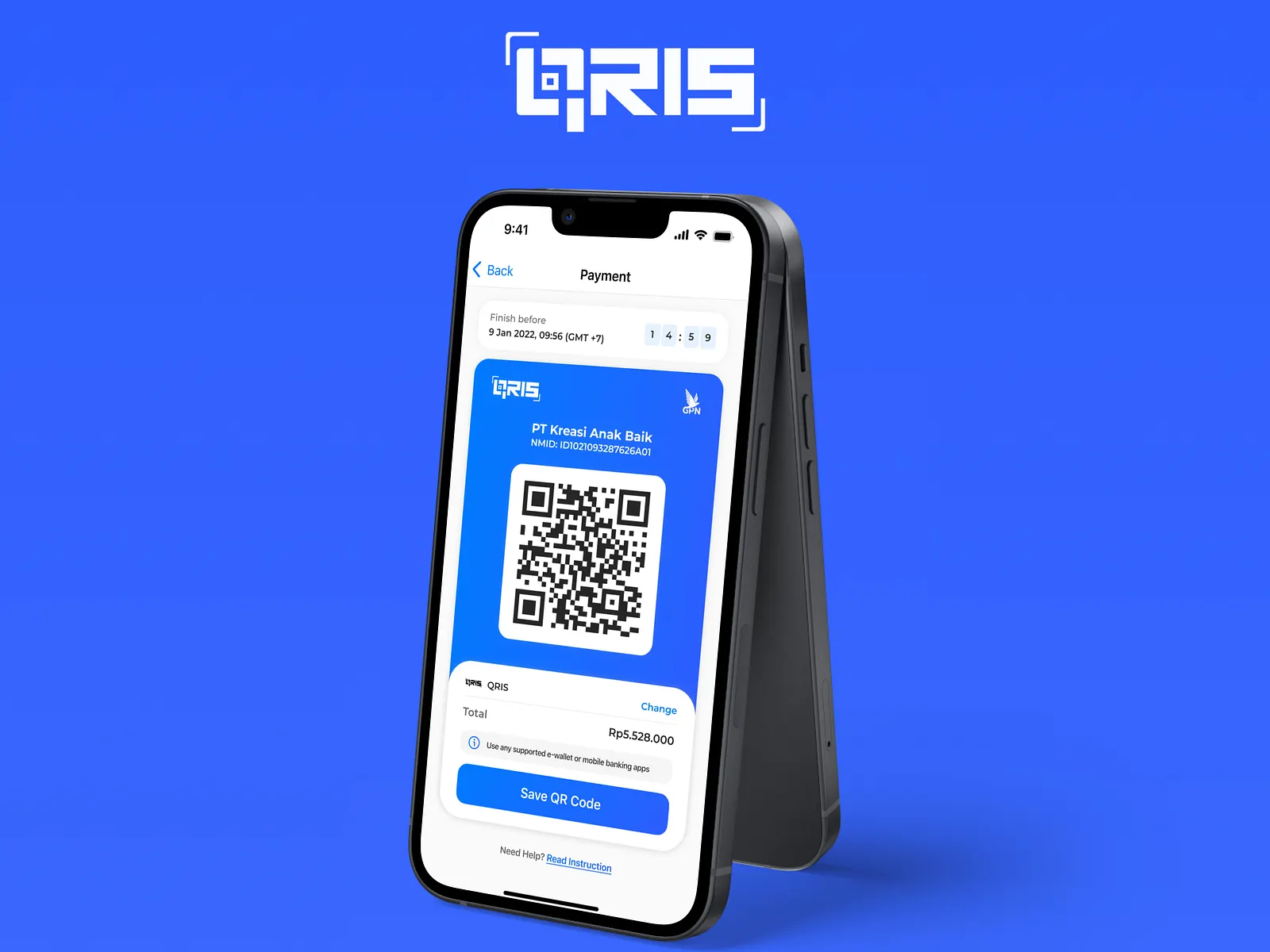












Malaysian shoppers pay by FPX online banking, e-wallets such as Touch 'n Go and GrabPay, DuitNow QR and cards. Most local businesses accept them through a gateway, and senangPay, iPay88 and Billplz are three of the best known.
All three support FPX and pay out in ringgit to a Malaysian bank account. They differ on fees, settlement, setup and cross-border options, so it helps to compare Malaysia payment gateways on the same points.
Which is best - senangPay, iPay88, or Billplz?
This Malaysia payment gateway comparison uses what each provider publishes, and the answer to "senangPay vs iPay88 vs Billplz, which is best?" depends on your payment mix, your size and where your customers are. For the best payment gateway Malaysia has for your case, start with how your customers pay.
- Billplz suits mostly-FPX merchants who want published flat fees and a free start.
- senangPay suits small sellers who want payment links, e-wallets and buy now, pay later options on an annual package.
- iPay88 is now offered as Adaptis by NTT DATA Payment Services, together with eGHL. It suits merchants who want broad method coverage and pricing set for their business.
How do their fees compare?
senangPay fees combine an annual package with a per-payment rate, and FPX is RM1 or 1.5%, whichever is higher. iPay88 fees depend on the plan and your business, so ask Adaptis for a quote.
An indicative example: on a RM100 FPX sale, Billplz Basic charges RM1.25 and senangPay RM1.50. On RM50, senangPay's RM1 minimum is lower than Billplz Basic's RM1.25, before its annual package. For the payment gateway in Malaysia with the lowest fees, Billplz Standard's RM0.75 is the lowest published FPX rate here, and it pays for itself at roughly 2,000 consumer FPX payments a year. Your mix of FPX, cards and wallets decides the rest. With us, you see the exchange rate and fees before you send, with no hidden spreads on Malaysia payment routes.
Which supports FPX and DuitNow?
All three support FPX. Billplz lists DuitNow QR among its wallet methods, Adaptis names DuitNow QR in its offering, and senangPay lists it among its in-person options, so confirm what is enabled for online checkout on your package. With TransFi, FPX, DuitNow QR and Malaysian online banking come through one integration, alongside GrabPay, Touch 'n Go, Boost and ShopeePay.
What are the settlement times?
Billplz pays FPX the next business day, cards in T+2 business days, and wallets the next day, including weekends and holidays. On senangPay's DOKU platform, FPX settles in T+1 working day, and cards and e-wallets in T+2. For iPay88 (Adaptis), ask for the schedule per method.
With us, FPX follows a T+1 cycle aligned with Malaysian banking hours. DuitNow QR and e-wallet payments typically confirm in real time and settle within one business day, in MYR or converted to your preferred currency.
Which has the easiest integration?
Billplz is self-serve, with an API, bills and payment links. senangPay suits non-technical sellers with payment links and plugins, and asks for your SSM certificate, a director's ID and a bank statement. For iPay88 (Adaptis), ask about integration timelines.
With TransFi you connect once instead of integrating each bank and wallet separately.
Which is best for ecommerce vs SaaS?
For a payment gateway for Malaysian ecommerce, all three have store tools. The best payment gateway for Malaysian ecommerce is the one that matches how your customers pay. We let marketplaces and direct-to-consumer brands present the full Malaysian payment menu, with split settlement for multi-vendor platforms.
A Malaysian payment gateway comparison for SaaS has to cover recurring billing and overseas subscribers. Recurring options vary by provider and plan, so confirm before you build billing around them. We support recurring payments through FPX standing instructions and tokenised e-wallet payments, where the issuing institution supports them.
Which Malaysian gateway is best for cross-border?
Local gateways are built around ringgit collection. Billplz lists optional cards in other currencies at 3.8% on Basic and 3.5% on Standard, and senangPay's website describes a multi-currency package that settles in ringgit, so confirm what is currently available. For iPay88 (Adaptis), ask what is enabled.
So which Malaysian gateway supports cross-border payments? The local three offer some foreign card or currency options. Receiving US dollars, letting overseas buyers pay by local method or stablecoin, or selling into Malaysia from abroad calls for a cross-border payment gateway Malaysia buyers can pay through and overseas businesses can settle from. That is what we built TransFi to do.
What's a good alternative for cross-border Malaysian payments?
At TransFi, we offer an alternative for cross-border Malaysian payments. If you want a senangPay alternative for international payments, or an option to run beside your local gateway:
- One integration for local methods. FPX, DuitNow QR, online banking, e-wallets, cards and stablecoins, connected once.
- No Malaysian entity or bank account needed. We act as the merchant of record or payment facilitator on your behalf.
- Clear settlement and compliance. Settle in MYR or another currency. Customer due diligence, transaction monitoring and suspicious activity reporting are handled within our platform, in line with Bank Negara Malaysia requirements.
For example, a US software company can accept FPX, DuitNow QR and e-wallet payments from Malaysian customers without setting up a Malaysian company.
Moving money instead? You can send money from the US to Malaysia with us. You send in US dollars, the recipient is paid in ringgit by DuitNow or to a Touch 'n Go, GrabPay or Boost e-wallet, and the live rate and fees show before you confirm.
Want to accept Malaysian payments from outside Malaysia? Talk to our team about your setup.
Conclusion
senangPay, iPay88 and Billplz all do the core job of taking FPX, wallets and cards from customers in Malaysia. When your business also sells across borders, TransFi adds FPX, DuitNow QR and e-wallets through one integration, and it can sit beside the gateway you already use.
FAQs
1. Can TransFi accept payments from Malaysian customers?
Yes, TransFi enables businesses to accept Malaysian payment methods, including FPX, DuitNow QR, online banking and e-wallets, through one integration.
2. Can international businesses accept Malaysian payments without a local entity?
Yes, TransFi enables eligible international businesses to accept payments from Malaysian customers without setting up a Malaysian entity or bank account.
3. Which Malaysian payment methods does TransFi support?
TransFi supports FPX, DuitNow QR, Malaysian online banking, GrabPay, Touch 'n Go, Boost, ShopeePay and other payment methods, subject to availability.
4. How does TransFi compare with senangPay, iPay88 and Billplz for cross-border payments?
While local gateways primarily focus on domestic collections, TransFi enables international businesses to accept Malaysian payments and settle in MYR or other supported currencies.
5. Can businesses use TransFi alongside their existing Malaysian payment gateway?
Yes, businesses can use TransFi alongside their existing gateway to expand payment options, accept cross-border transactions and reach customers in Malaysia without replacing their current setup.