












Over the years, digital banking has changed a lot. Now, for businesses to expand, they need to make it easy for customers to purchase Bitcoin. This modification is achievable because of a fiat-to-crypto conversion API. It helps you get started in the Web3 world.
Instead of having to go through many transactions, these APIs make things easier by bringing everything into one embedded experience. This article explains how these systems function, what their architecture is, what assessment frameworks are, and how new suppliers like TransFi API are changing the way on-ramps work.
What is a Fiat to Crypto Conversion API?
A fiat-to-crypto conversion API is a programmable interface that enables companies to take fiat payments and convert them into cryptocurrency immediately.
This technology acts as an on-ramp, linking traditional finance with blockchain networks.
Important Features:
- You can take fiat payments (credit cards, bank transfers, and local railroads).
- Change fiat to crypto using real-time rates
- Send digital money to users' wallets
- Follow the rules by using KYC and AML frameworks.
Good to Know:
According to Statista, more than 861 million individuals around the world will utilise cryptocurrency. This suggests that there is a rising need for onboarding tools that are simple to use.
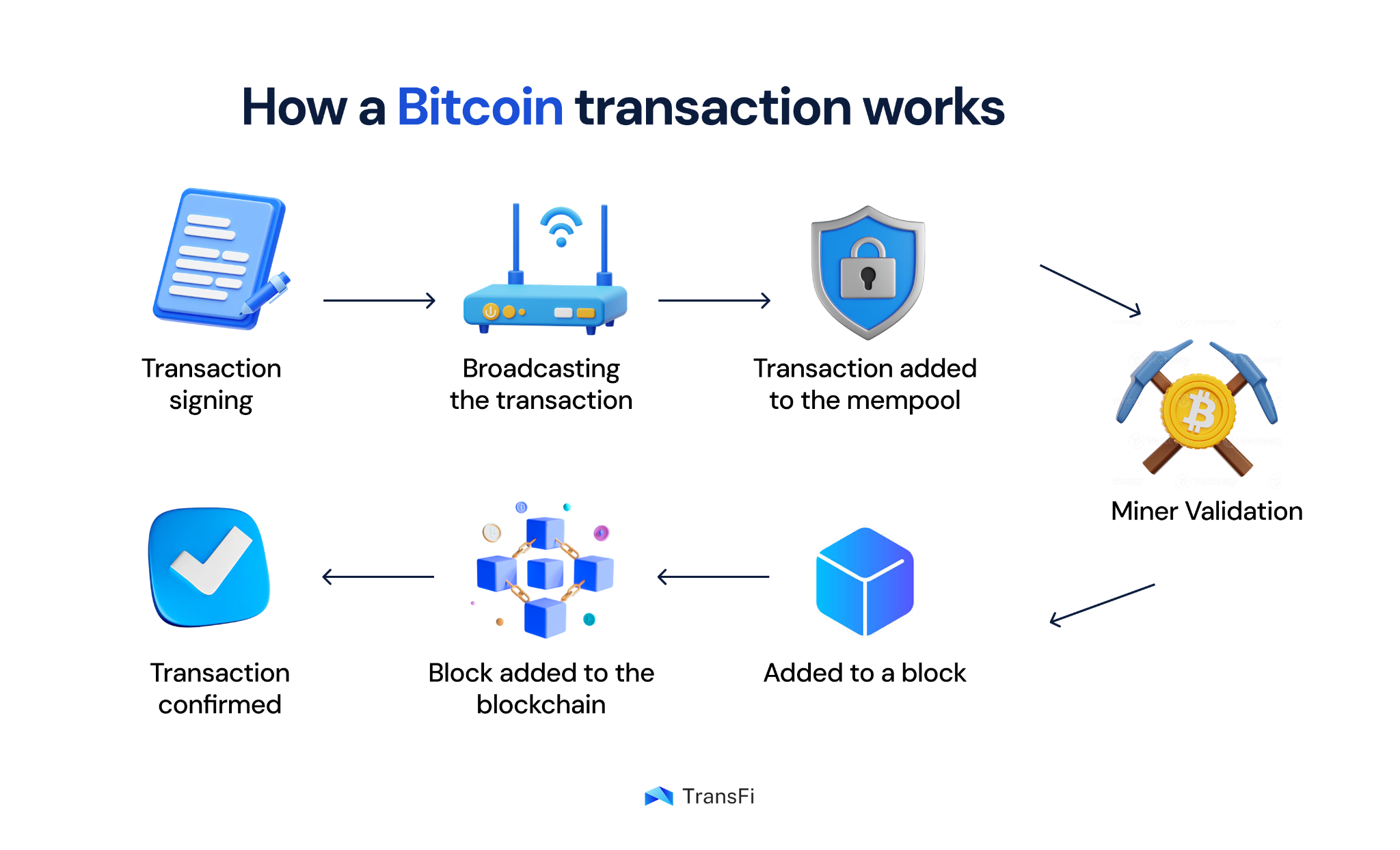
How do you convert a Fiat into Crypto?
Businesses can better determine how effectively their APIs work and how easy they are to use if they know how to convert currency into crypto.
Step by step, here's how to accomplish it:
- User Begins Payment: The user chooses a product and pays with real money.
- Locking and calculating rates: The system gets the most recent rates of exchange. A crypto conversion calculator keeps rates the same for 1 to 15 minutes.
- Managing Transactions: Banking rails or card networks take care of fiat.
- How to Get Crypto: People who provide liquidity buy crypto.
- Settlement on the blockchain: The crypto gets to the wallet of the user.
- Paying Merchants: Merchants get either altered crypto or cash.
Patterns for Adding an On-ramp to Architecture
The Architecture Patterns for Onramp Integration show you how sturdy and flexible your system will be.
Important Parts:
1. Apps for Customers:
- Apps for the web and mobile
- Connecting to wallets and starting transactions
2. API Gateway:
- Authentication, restricting, and routing
- The first thing to do when looking at a request
3. A layer of microservices:
- An engine for making money
- Routing money
- Services that help you follow the regulations
4. Layer of Blockchain:
- Talking between nodes
- Sending and confirming payments
5. Cash Flow Engine:
- Links to exchanges
- Making slippage better
- Getting the correct price
6. Stack of Compliance:
- Check KYC
- Screening for AML
- Risk scoring
7. Data infrastructure:
- PostgreSQL and events that happen in real time
- Logs of transactions in real time
A Framework for Evaluating APIs for On-ramp
You should have a plan for how to choose the right provider.
1. Coverage of Payment Rails:
- Help for FedNow, UPI, SEPA, and PIX
- More people buy when it's easier to pay locally.
2. Getting a quote and a rate:
- Prices that are simple to understand
- Exchange rates that are guaranteed
3. Depth of liquidity:
- Combining several exchanges
- Less sliding
4. Infrastructure for following the rules:
- KYC/KYB built in
- Regulatory coverage in different parts of the world
5. Experience as a developer:
- SDKs and API
- Testing in a safe place
- Webhooks that give you updates immediately
Fees and Costs for Converting Crypto
For unit economics, it's highly crucial to know about crypto conversion fees.
Common Parts of a Fee:
- Spread (difference between buy/sell price)
- The costs for transactions
- Prices for the network (gas)
- Expenses for processing payments
Quote:
“Transparent pricing is not just a feature; it’s a conversion driver.”: Fintech Product Lead
How TransFi Works with Real-World On-ramps and TransFi API Integration
TransFi and other new APIs leverage modular infrastructure to make it easier to get started.
Important Features:
- Payment methods that function over the world in new markets
- Built-in fraud detection and compliance
- Routing liquidity in real time
- Most of the time, transactions go through
Example Use Case:
The TransFi API works with a platform for digital wallets:
- People send money from their bank accounts to pay.
- Immediately, money becomes USDT.
- The crypto is sent to the wallet in a few minutes.
Get started with TransFi Checkout today and scale your Web3 onboarding effortlessly: Sign Up.
How to Use Crypto to Buy Things Without Having to Convert It Manually
One of the best things about UX is that it makes it easy to shift cryptocurrencies.
The methods:
- Automatic conversion when you check out
- Wallet systems for custodians
- Debit cards that work with cryptocurrency
This means you don't have to trade for yourself anymore.
Can you tax shifts in the value of cryptocurrency?
Following the rules means paying your taxes.
Important Facts to Think About:
- Do you have to pay taxes on exchanges that deal in cryptocurrencies?
Yes, in many places.
- When you trade crypto, do you have to pay taxes?
People frequently think of them as ways to make money.
- What are the taxes on changing crypto?
Based on how much extra it costs to acquire and change.
Note: Always consult a financial counsellor or your local tax office.
How long does it take to get cash for crypto?
Here are some different times for changing:
- Payments by card: Instantly to minutes
- Transfers between banks: It might take minutes to hours.
- Blockchain confirmations: It could take anywhere from one to sixty minutes
Escrow services for safety and changing crypto into cash
Advanced systems offer crypto conversion escrow services for:
- Preventing fraud
- Payments using rules
- Settling disputes
In markets, this is quite helpful.
What Will Happen to Fiat-to-Crypto APIs in the Future
The next wave of innovative ideas will be about:
1. Finance setup: Apps that already have crypto support
2. Adding payments that happen immediately: Like UPI, quick crypto onboarding all over the world
3. Risk engines that use AI: Dynamic fraud detection and compliance
4. The ability of more than one chain to work collectively: Easy to swap between blockchains
Data Insight:
A growing number of businesses are utilising cryptocurrencies, and payment networks are adding new functionality all the time.
Conclusion
You need a fiat-to-crypto conversion API if you want to get into Web3. It is no longer a choice; it is now a need.
These APIs help people get money and let businesses work with people all around the world. However, it's crucial to choose the correct service.
TransFi API and other platforms show how modern infrastructure can make things easier, boost conversion rates, ensure compliance, and give users a nice experience.
FAQs:
1. What is an API that enables you to turn crypto into fiat?
You can utilise a crypto-to-fiat API to change digital assets into cash.
2. How do you turn traditional currency into cryptocurrency?
By processing payments, moving money around, and settling on the blockchain.
3. What is an API for fiat?
A fiat API links digital platforms to banks that accept cash.
4. Do you have to pay taxes on crypto trades?
Yes, in most areas, changes are events that can be taxed.
5. How long does it take to change crypto?
This normally only takes a few minutes, but it depends on how you pay and the blockchain network.






.avif)
.avif)



.avif)