








The world of payments is changing swiftly. Companies are figuring out how to accept cryptocurrency payments so they can get more customers, save money, and speed up the payment process.
Digital assets used to be limited to a small number of people, but now there are more than 420 million crypto users around the world. Companies of all sizes, from small companies to major corporations, are looking into how to accept crypto payments while keeping an eye on compliance and volatility issues.
This guide delivers organisations all the information they need to know, from infrastructure to real-world use, in a simple, precise, and analytical approach.
How to Take Cryptocurrency as Payment
1. Using Crypto Payment Gateways (the most common way):
Crypto payment gateways are like middlemen because they take care of transactions, compliance, and conversion.
Important Features:
- Quick switch from crypto to cash
- Making sure that the rules are obeyed
- Taking care of your money
- Integrations with APIs and plugins
Learn more on Top Crypto payment gateways for international business
2. Use payment platforms to get compensated in digital currency:
Some new payment systems let you use both cryptocurrency and credit or debit cards.
How it works:
- At the register, customers pick crypto.
- The backend takes care of talking to the blockchain.
- The merchant gets either real money or stablecoins.
3. Payments can be made with wallets:
Businesses can immediately accept cryptocurrencies by handing out their wallet addresses.
Important: This strategy works best for stores that currently deal in cryptocurrencies or for stores that conduct a lot of business.
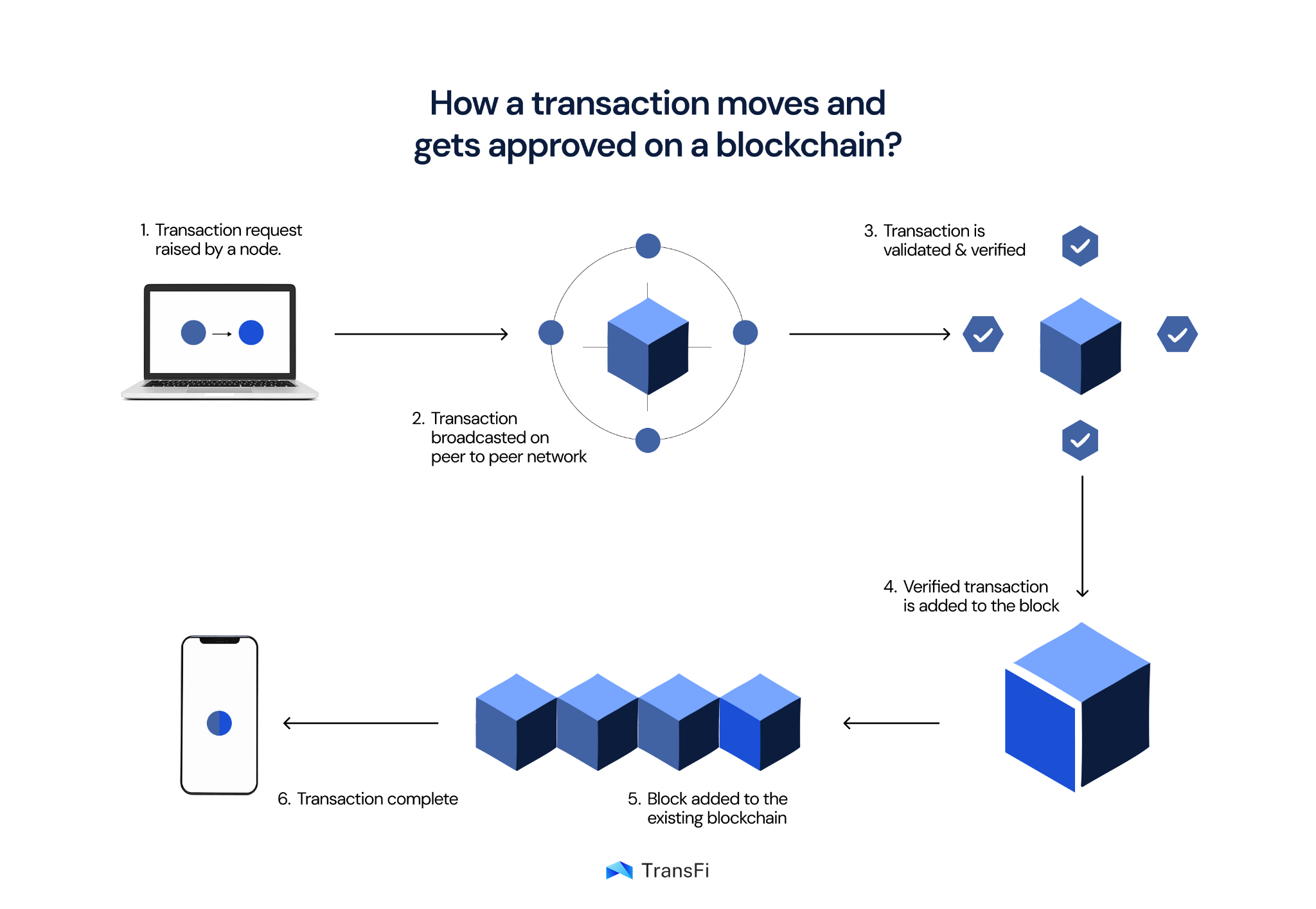
How to Accept Payments in Cryptocurrency
Step 1: Pick the Right Provider
Check out:
- Costs and rates of currency exchange
- How fast is the settlement
- Ability to comply
- Geographies that are supported
Step 2: Add Crypto Checkout
Ways to connect:
- APIs
- Pages for payments made on the website
- Add-ons for online shopping
Most of the time, it takes 2 to 8 weeks.
Step 3: How clients pay you
- The customer chooses crypto at the checkout.
- There is a display of the exchange rate.
- A QR code or payment link is made.
- The customer agrees to the offer.
Step 4: Processing on the Blockchain
- The transaction passes to the network.
- Checked by nodes
- Put in a block
- Confirmed in a few minutes
Step 5: Settle down
Here are some choices:
- Fiat settlement (right away or every day)
- Moving money from one wallet to another is called crypto settlement.
Why You Should Take Cryptocurrency Payments
1. The ability to reach markets all across the world:
- Contact those who don't have a bank account.
- Let people do business across borders.
Stat: Surveys of businesses in the industry suggest that roughly 39% of them now accept digital assets.
2. A faster settlement:
Traditional systems like SWIFT take one to five days to work.
It simply takes a few minutes for crypto to settle.
3. Transaction costs go down
- Credit cards: up to 3.5%
- About 1% of crypto processors
4. No chargebacks
There is no chance of fraud because blockchain transactions can't be undone.
5. Higher Transaction Value
Some businesses believe that the average crypto payment is 5 to 10 times higher than a traditional payment.
Businesses that accept crypto in the real world
- Companies that do business around the world accept cryptocurrencies as payment for digital services.
- Some stores are trying out Bitcoin payments.
- High-end brands will accept cryptocurrencies for large transactions.
Insight: Many individuals are interested in crypto:
- Gaming
- SaaS
- E-commerce across borders
- Freelance payments
Click to learn more about How To Accept Payments Without a Website? Guide For SMBs and Freelancers
Issues in accepting payments with cryptocurrency
1. Changes in cost
The price of Bitcoin might go up and down a lot.
Use stablecoins or rapid conversion to fix the problem.
2. Rules that are hard to follow
- Laws are different in each country.
- The rules for compliance are evolving.
3. Problems with how the user experiences
- Not as simple as using a card
- Needs to learn how to utilise a wallet
4. Taxes that are hard to figure out
People usually conceive of crypto as a kind of property, which means:
- Giving the proper value
- Keeping track of wins and losses
5. Risks to security
- The way to handle private keys
- Wallets aren't perfect
Implementation Strategies for Businesses
Pick the Right Cryptocurrencies
To begin:
- Bitcoin (BTC)
- Ethereum (ETH)
- Stablecoins (USDC, USDT)
Choose a plan for settling
- Low risk when you can turn fiat money into anything else right away
- There might be a good reason to stay in crypto, but it's hard to keep track of.
Reducing risk
- Turn on two-factor authentication and encryption.
- Keep a track of transactions
- Train internal teams
Why Businesses Are Choosing TransFi
Infrastructure is crucial if you wish to accept a lot of cryptocurrency payments.
TransFi can help businesses:
- Accept cryptocurrency and settle in fiat money all over the world
- Get access to different currency rails in different areas.
- Make sure that the architecture puts compliance first.
- Increase the speed of settlements and conversion rates.
The Future of Cryptocurrency Payments
The way to pay with Bitcoin is quite high.
Main Projections:
- Stablecoins might be worth more than $1 trillion a year in settlements.
- Increasing numbers of companies are using it to buy products.
- Handling money in traditional methods
A trend to keep track of:
- CBDCs, or Central Bank Digital Currencies,
- Layer-2 scaling to speed up transactions
- Using AI to find fraud in cryptocurrency payments
Things to remember:
- The average cost of using the Bitcoin network is between $1 and $2.
- Payments made with crypto operate 24/7/365
Conclusion
Accepting bitcoin payments is no longer just an experiment; it's a smart business move.
There are actual benefits to crypto, such as how affordable it is and how it can reach individuals all over the world. But you have to pick the correct infrastructure, handle risks, and make sure you follow the rules to be a successful business.
Most businesses should start with a payment processor they can trust. As more individuals use crypto, businesses may start doing more complicated things with it. You can't just use crypto; you have to do it responsibly and with a plan.
FAQs:
1. Can a business accept crypto payments?
Yes, businesses can accept crypto payments using payment gateways, APIs, or direct wallet transfers. Many platforms also enable instant conversion to fiat, making it easy to manage volatility.
2. How to accept payment via crypto?
Businesses can accept crypto by integrating a payment gateway, enabling wallet payments, or using APIs. This allows customers to pay in digital assets while businesses receive funds in crypto or local currency.
3. Can a company pay me in crypto?
Yes, companies can pay employees, freelancers, or vendors in cryptocurrencies or stablecoins. Payments are typically sent directly to a digital wallet, often faster than traditional bank transfers.
4. How do I receive a crypto payment?
To receive crypto, you need a wallet address or QR code. The sender transfers funds to your wallet, and the transaction is verified on the blockchain, usually within minutes.
.png)












.avif)
.avif)



.avif)