




Settlement speed
Most transfers to Malaysia settle in minutes to hours via local rails - not days through correspondent banks.

Move funds from North America to Malaysia with transparent FX, local payment rails, and real-time tracking across every supported country on this route.
Fast SettlementBuilt for faster delivery across Malaysia
Transparent PricingKnow fees and FX rates before you send
Regional CoverageSend to 70+ countries with local payout rails - FPX, DuitNow QR, and Malaysian online banking
 USD
USD MYR
MYRSend from North America to Malaysia with delivery timelines shown upfront on every transfer across 2 origin and 0 destination countries.
Most supported routes settle within minutes to hours via local rails and stablecoin infrastructure.
Live FX and fees on every North America → Malaysia route - no hidden spreads or surprise deductions.
Know the final amount, fees, and FX rate before funds leave North America or arrive in Malaysia.
Monitor every payment from North America to Malaysia in real time - from initiation through payout across the corridor.
Corridor-level status updates from initiation through local payout in Malaysia.
Speed up North America → Malaysia settlement with stablecoin infrastructure bridging both markets.
Combine local payment rails in North America with faster settlement into Malaysia payout networks.
Most transfers to Malaysia settle in minutes to hours via local rails - not days through correspondent banks.
See live USD to MYR exchange rates and fees upfront before you confirm your transfer.
Real-time status updates from funding in North America through delivery in Malaysia.
Deliver to FPX, DuitNow QR, and Malaysian online banking that people in Malaysia use daily, funded from North America - not generic wire-only endpoints.
KYC, KYB, and beneficiary verification aligned with regulations on both sides of the corridor.
Send from 2 countries across North America using familiar local payment methods.
Enter the amount in United States dollar
Add your recipient's DuitNow ID - for Malaysia this is typically full name and a mobile number, NRIC, or bank account linked for DuitNow
Review the exchange rate, fees, and estimated delivery time
Send and track the payment in real time
Set up your North America to Malaysia corridor in just a few steps.
DuitNow QR is Malaysia's national interoperable QR payment standard, governed by PayNet and adopted by every major bank and e-wallet. Consumers scan a merchant QR code or display their own QR for payment — funds settle instantly across participating institutions. With DuitNow QR now accepted at over 1.5 million merchant touchpoints nationwide, it is the default payment method from petrol stations to night markets.
Minutes
FPX is Malaysia's trusted online banking payment gateway, connecting shoppers directly to their bank's internet banking portal for secure authorisation. It supports all major Malaysian banks including Maybank, CIMB, Public Bank, RHB, and Hong Leong Bank. FPX transactions are irrevocable once authorised, giving merchants strong protection against friendly fraud and chargebacks.
Minutes to hours
Touch 'n Go eWallet (TNG) is Malaysia's largest e-wallet by active users, originally built around highway toll payments and now a full-service financial app covering transport, parking, food, utilities, and peer-to-peer transfers. With over 20 million registered users and deep integration into the DuitNow network, TNG is often the first payment app Malaysians open each day.
Minutes
Boost is Axiata's homegrown e-wallet, strong in retail partnerships, petrol stations, and small-business acceptance. It offers cashback rewards, bill payment, and DuitNow-linked transfers, appealing to value-conscious consumers across Peninsular and East Malaysia. Boost has invested heavily in merchant acquisition, particularly among SMEs that may not accept cards but readily display a DuitNow or Boost QR sticker.
Minutes
GrabPay extends the Grab super-app's payment capabilities to online and offline merchants across Malaysia. Integrated with Grab's ride-hailing, food delivery, and financial services ecosystem, GrabPay benefits from high daily engagement among urban professionals in Kuala Lumpur, Penang, and Johor Bahru. Users can top up via bank transfer, card, or cash at 7-Eleven outlets nationwide.
Minutes
Send with the payment methods people use across Malaysia.

Direct deposit to local bank accounts where available

Wallet delivery on supported routes

Faster payout rails where available in Malaysia
Offer local payout options recipients trust across Malaysia.
This North America to Malaysia route combines TransFi's cross-border infrastructure with local payout coverage via FPX, DuitNow QR, and Malaysian online banking. Whether you're disbursing payroll, paying suppliers, or sending to family, transfers typically settle in minutes to hours with live USD-to-MYR rates shown upfront.
Explore live rates and coverage for the North America → Malaysia corridor, including FPX, DuitNow QR, and Malaysian online banking and many more.

Sending money to Malaysia from North America sits at the intersection of one of the world's most dynamic payment corridors and one of its most digitally sophisticated origin markets. US technology companies, Canadian enterprises, Silicon Valley startups, New York financial services firms, and North American marketplaces increasingly employ talent, source goods, and support families in Malaysia—a market of 34 million people where DuitNow QR and FPX bank transfers; Touch 'n Go eWallet, Boost, and GrabPay for mobile payments define how recipients actually receive and spend funds. Whether you are a North American enterprise paying suppliers in Kuala Lumpur, a platform disbursing creator earnings, or part of Malaysian students and tech workers in the US and Canada sending support to families at home sending regular family support, recipients expect fast delivery in MYR through payment channels they trust—not slow correspondent wires that arrive days later with opaque FX deductions.
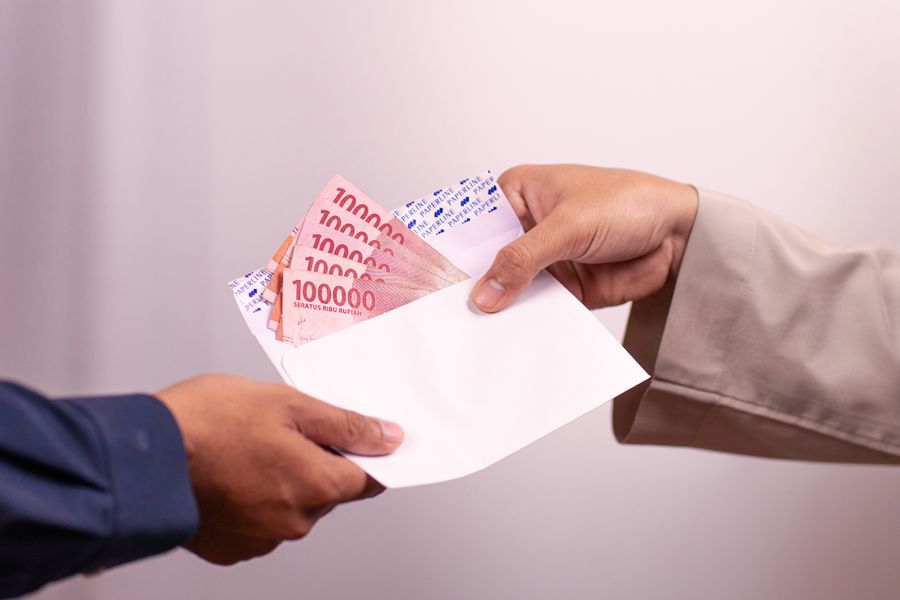
Traditional international transfers from the United States, Canada, and cross-border North American enterprises often route through legacy banking chains that add hidden spreads, provide limited payout method choice, and offer poor end-to-end tracking. Malaysia beneficiaries have moved decisively toward mobile-first financial infrastructure: DuitNow QR, FPX, Touch 'n Go eWallet, Boost, and GrabPay power daily commerce, bill payments, and peer-to-peer transfers across Kuala Lumpur, Penang, Johor Bahru, and Kota Kinabalu and beyond. A send product that terminates only into unfamiliar banking channels creates support burden, failed deliveries, and churn—especially when competitors credit DuitNow QR wallets within minutes.
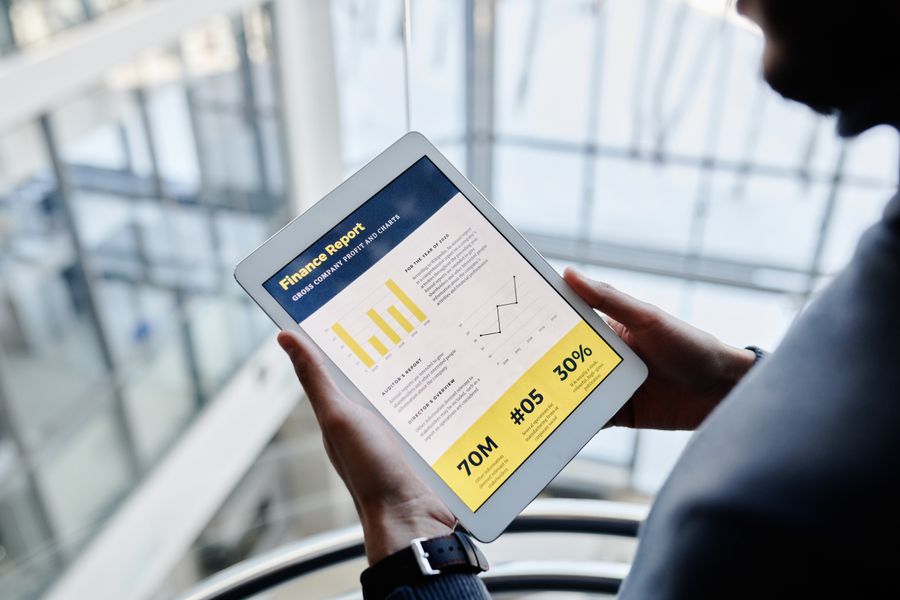
TransFi modernizes North America-to-Malaysia outbound payments by combining cross-border compliance under FinCEN, OFAC, state-level money transmitter rules, and FINTRAC requirements in Canada with localized last-mile delivery through DuitNow QR and FPX bank transfers; Touch 'n Go eWallet, Boost, and GrabPay for mobile payments. Senders fund transfers in USD, CAD, and other major North American currencies via API with webhook-driven status updates, embedded beneficiary verification, and transparent all-in pricing. One integration covers Malaysia alongside other TransFi priority corridors—Indonesia, Philippines, Malaysia, Thailand, Pakistan, and Bangladesh—eliminating fragmented vendor relationships across remittance, wallet, and FX layers that drain engineering resources.

The economic case for modern send infrastructure is compelling. Malaysia receives remittances from Gulf and Singapore corridors, freelance payouts, and regional B2B payments, and US-ASEAN commercial partnerships, North American import networks, and cross-border B2B supply chains generate sustained B2B payment volume alongside remittance flows. Malaysian students and tech workers in the US and Canada sending support to families at home represent high-frequency send segments where delivery speed and method choice directly determine customer retention. Platforms paying remote teams in electronics manufacturing and related sectors need recurring MYR disbursement on predictable schedules with per-transaction audit trails suitable for North American finance teams.
Compliance is not optional on this corridor. FinCEN, OFAC, state-level money transmitter rules, and FINTRAC requirements in Canada requirements on the sending side must align with destination-country AML and payment regulations without creating friction that drives users to informal channels. TransFi embeds KYC for individual senders, KYB for business clients, and beneficiary verification within API-integrated flows—structured to scale with transaction volume while maintaining auditability for regulated fintech, payroll, and marketplace use cases operating from the United States, Canada, and cross-border North American enterprises.
Choosing TransFi means treating North America-to-Malaysia sends as core product infrastructure rather than an afterthought. Faster delivery through DuitNow QR, FPX, Touch 'n Go eWallet, Boost, and GrabPay, transparent FX, compliance-ready orchestration, and unified reconciliation give North American senders a competitive edge in one of emerging markets' most important payment corridors.
Senders on the North America to Malaysia corridor disburse through FPX, DuitNow QR, and Malaysian online banking and other trusted local payout rails. The North America-to-Malaysia send corridor reflects structural forces shaping global labor mobility, digital commerce, and cross-border B2B trade. On the origin side, the United States, Canada, and cross-border North American enterprises generate outbound volume from Malaysian students and tech workers in the US and Canada sending support to families at home, Silicon Valley, Seattle, Austin, Toronto, and Vancouver tech ecosystems hiring globally, and enterprises with supply chain relationships in electronics manufacturing, palm oil, Islamic finance, tourism, and shared services. On the destination side, Malaysia, with a digitally advanced ASEAN economy with strong e-wallet adoption and cross-border trade, has produced payment behavior centered on DuitNow QR, FPX, Touch 'n Go eWallet, Boost, and GrabPay—rails that international senders must connect to for satisfactory recipient experiences.
Understand what drives this corridor - then send from North America to Malaysia in minutes.
Three things that define this route
Sending money to Malaysia from North America sits at the intersection of one of the world's most dynamic payment corridors and one of its most digitally sophisticated origin markets. US technology companies, Canadian enterprises, Silicon Valley startups, New York financial services firms, and North American marketplaces increasingly employ talent, source goods, and support families in Malaysia—a market of 34 million people where DuitNow QR and FPX bank transfers; Touch 'n Go eWallet, Boost, and GrabPay for mobile payments define how recipients actually receive and spend funds. Whether you are a North American enterprise paying suppliers in Kuala Lumpur, a platform disbursing creator earnings, or part of Malaysian students and tech workers in the US and Canada sending support to families at home sending regular family support, recipients expect fast delivery in MYR through payment channels they trust—not slow correspondent wires that arrive days later with opaque FX deductions.
The North America-to-Malaysia send corridor reflects structural forces shaping global labor mobility, digital commerce, and cross-border B2B trade. On the origin side, the United States, Canada, and cross-border North American enterprises generate outbound volume from Malaysian students and tech workers in the US and Canada sending support to families at home, Silicon Valley, Seattle, Austin, Toronto, and Vancouver tech ecosystems hiring globally, and enterprises with supply chain relationships in electronics manufacturing, palm oil, Islamic finance, tourism, and shared services. On the destination side, Malaysia, with a digitally advanced ASEAN economy with strong e-wallet adoption and cross-border trade, has produced payment behavior centered on DuitNow QR, FPX, Touch 'n Go eWallet, Boost, and GrabPay—rails that international senders must connect to for satisfactory recipient experiences.
TransFi modernizes North America-to-Malaysia outbound payments by combining cross-border compliance under FinCEN, OFAC, state-level money transmitter rules, and FINTRAC requirements in Canada with localized last-mile delivery through DuitNow QR and FPX bank transfers; Touch 'n Go eWallet, Boost, and GrabPay for mobile payments. Senders fund transfers in USD, CAD, and other major North American currencies via API with webhook-driven status updates, embedded beneficiary verification, and transparent all-in pricing. One integration covers Malaysia alongside other TransFi priority corridors—Indonesia, Philippines, Malaysia, Thailand, Pakistan, and Bangladesh—eliminating fragmented vendor relationships across remittance, wallet, and FX layers that drain engineering resources.
From payouts and collections to checkout, treasury, and stablecoin rails - TransFi powers it all through a single integration.
Malaysian students and tech workers in the US and Canada sending support to families at home send regular support to families in Kuala Lumpur, Penang, Johor Bahru, and Kota Kinabalu and across Malaysia. Recipients rely on DuitNow QR for groceries, school fees, rent, and daily expenses—often expecting funds within hours, not days. TransFi-powered send flows convert USD origin funds and deliver to DuitNow QR and FPX bank transfers; Touch 'n Go eWallet, Boost, and GrabPay for mobile payments with transparent fees and real-time tracking senders can share with recipients. Faster, cheaper delivery compared to legacy remittance chains increases send frequency and builds loyalty among diaspora communities who compare providers actively within social networks, worker associations, and community organizations across the United States, Canada, and cross-border North American enterprises.
Silicon Valley, Seattle, Austin, Toronto, and Vancouver tech ecosystems hiring globally employ developers, designers, customer experience specialists, and consultants across Malaysia's electronics manufacturing, palm oil, Islamic finance, tourism, and shared services sectors. Monthly payroll requires reliable MYR delivery to DuitNow QR wallets or bank accounts on fixed schedules with per-employee traceability. TransFi automates recurring sends with beneficiary KYC, configurable schedules, and webhook confirmation for HR and finance systems integrated with North American enterprise tools. Replacing manual wire batches reduces errors, shortens settlement time, and gives employees predictable access to earnings through payment channels they already use daily in Kuala Lumpur, Penang, Johor Bahru, and Kota Kinabalu.
Trade relationships shaped by US-ASEAN commercial partnerships, North American import networks, and cross-border B2B supply chains create sustained demand for North American businesses paying Malaysia suppliers, manufacturers, and service providers in MYR. DuitNow QR and FPX bank transfers; Touch 'n Go eWallet, Boost, and GrabPay for mobile payments support invoice settlement where wallet balances may be insufficient for larger B2B amounts. TransFi enables cross-border sends tied to invoice references with audit trails suitable for North American accounting and tax documentation. Suppliers in Kuala Lumpur, Penang, Johor Bahru, and Kota Kinabalu receive funds through familiar domestic channels, strengthening supply chain relationships and reducing payment-related delays in goods shipment and service delivery across electronics manufacturing, palm oil, Islamic finance, tourism, and shared services.
Global platforms operating from North America owe earnings to Malaysia sellers, freelancers, creators, and gig workers who expect timely payout in MYR through DuitNow QR or bank channels. Delayed or failed transfers drive seller churn and reputational damage in competitive electronics manufacturing, palm oil, Islamic finance, tourism, and shared services markets. TransFi routes platform-initiated sends to DuitNow QR and FPX bank transfers; Touch 'n Go eWallet, Boost, and GrabPay for mobile payments through a unified API, supporting micro-payouts at scale and larger periodic settlements. Embedded verification satisfies compliance under FinCEN, OFAC, state-level money transmitter rules, and FINTRAC requirements in Canada without forcing beneficiaries through disconnected onboarding portals, improving platform liquidity and seller retention across Malaysia.
Whatever your use case, TransFi moves money from North America to Malaysia.
Find the right route for your cross-border payments - search by country or region and open the corridor that matches your needs.
Send North America to Indonesia corridor
Send Latin America to Indonesia corridor
Send Africa to Indonesia corridor
Send Asia Pacific to Indonesia corridor
Send Europe to Indonesia corridor
Send Middle East & North Africa to Indonesia corridor
Send North America to Philippines corridor
Send Latin America to Philippines corridor
Send Africa to Philippines corridor
$5B+
transaction volume projected
2M+
users served globally
100+
enterprise clients
Global compliance coverage | Enterprise-grade infrastructure | 24/7 support
How fast can TransFi deliver funds from North America to Malaysia?
Delivery speed depends on the selected last-mile method, compliance checks at send time, and the funding source used on the North American side. Transfers terminating into DuitNow QR wallets and instant bank rails typically confirm within minutes to a few hours once the cross-border leg is approved—substantially faster than traditional correspondent wire chains that may take three to five business days from the United States, Canada, and cross-border North American enterprises. TransFi provides real-time status updates via API webhooks so senders and platforms can notify recipients proactively. Exact timelines vary by amount, beneficiary type, verification tier, and local rail availability in Kuala Lumpur, Penang, Johor Bahru, and Kota Kinabalu.
Which payout methods are supported for sends to Malaysia?
TransFi supports payout to DuitNow QR and FPX bank transfers; Touch 'n Go eWallet, Boost, and GrabPay for mobile payments, giving senders flexibility to match recipient preferences across Malaysia. Wallet payouts suit beneficiaries who manage daily spending through mobile apps, while bank transfers handle higher-value B2B payments and recipients who prefer account credits. Senders specify beneficiary details during onboarding or via API, with verification steps embedded to meet compliance requirements on both the North American origin and Malaysia destination sides. This method breadth improves reach compared to bank-only outbound providers operating from North America.
What currencies can I send from North America when paying Malaysia recipients?
TransFi supports cross-border sends originating from USD, CAD, and other major North American currencies and stablecoin treasury configurations, with conversion into MYR for local delivery. Businesses operating multi-currency treasuries across the United States, Canada, and cross-border North American enterprises can fund sends from their preferred operating currency depending on account setup. FX rates and fees are disclosed at initiation so North American finance teams can budget accurately and compare all-in cost against alternative providers. This model suits enterprises, platforms, and remittance operators that consolidate international liquidity before local disbursement to Malaysia.
What compliance is required to send money from North America to Malaysia?
TransFi embeds KYC for individual senders and KYB for business clients, alongside beneficiary verification aligned with FinCEN, OFAC, state-level money transmitter rules, and FINTRAC requirements in Canada and Malaysia cross-border payment requirements. Required documentation may include identity verification, proof of address, source-of-funds declarations for higher-value transfers, and business incorporation records for corporate senders operating from the United States, Canada, and cross-border North American enterprises. These checks run through API-integrated flows rather than redirecting users to disconnected portals. Compliance is structured to scale with transaction volume while maintaining auditability for regulated fintech, payroll, marketplace, and B2B use cases on the North America-to-Malaysia corridor.
Fast, transparent, and built for modern cross-border payments from North America to Malaysia
 Global Payments. Delivered Locally - Send, receive, and convert funds across 100+ countries.
 UAEUSA
 Poland
 Canada
 Bahamas
 Indonesia
 Australia
 Copyright ©2026 TransFi | All Rights Reserved


