




Settlement speed
Most transfers to Philippines settle in minutes to hours via local rails - not days through correspondent banks.

Move funds from Africa to Philippines with transparent FX, local payment rails, and real-time tracking across every supported country on this route.
Fast SettlementBuilt for faster delivery across Philippines
Transparent PricingKnow fees and FX rates before you send
Regional CoverageSend to 100+ countries with local payout rails - GCash, GrabPay, QR PH and 1+
 NGN
 PHP
Send from Africa to Philippines with delivery timelines shown upfront on every transfer across 8 origin and 0 destination countries.
Most supported routes settle within minutes to hours via local rails and stablecoin infrastructure.
Live FX and fees on every Africa → Philippines route - no hidden spreads or surprise deductions.
Know the final amount, fees, and FX rate before funds leave Africa or arrive in Philippines.
Monitor every payment from Africa to Philippines in real time - from initiation through payout across the corridor.
Corridor-level status updates from initiation through local payout in Philippines.
Speed up Africa → Philippines settlement with stablecoin infrastructure bridging both markets.
Combine local payment rails in Africa with faster settlement into Philippines payout networks.
Most transfers to Philippines settle in minutes to hours via local rails - not days through correspondent banks.
See live NGN to PHP exchange rates and fees upfront before you confirm your transfer.
Real-time status updates from funding in Africa through delivery in Philippines.
Deliver to GCash, GrabPay, QR PH and 1+ that people in Philippines use daily, funded from Africa - not generic wire-only endpoints.
KYC, KYB, and beneficiary verification aligned with regulations on both sides of the corridor.
Send from 8 countries across Africa using familiar local payment methods.
Enter the amount in Nigerian naira
Add your recipient's GCash or bank account details - for Philippines this is typically full name, mobile number, and InstaPay or PESONet-ready account details
Review the exchange rate, fees, and estimated delivery time
Send and track the payment in real time
Set up your Africa to Philippines corridor in just a few steps.
GCash is the Philippines' dominant e-wallet, used by tens of millions of Filipinos for P2P transfers, bills, merchant QR payments, online checkout, and government benefit receipt. With approximately 89% share of the e-money market, it is the most important method for cross-border localization. Users fund wallets via bank linking, remittance credits, and retail cash-in partners. TransFi's GCash integration enables international merchants to collect from and pay out to GCash users via unified API workflows.
Minutes
Maya (formerly PayMaya) is a major digital wallet and financial services app offering payments, card products, and merchant acceptance across the Philippines. It serves consumers and SMEs who diversify spending across multiple fintech apps alongside GCash. Maya supports QR payments, online checkout, and bank-linked transfers, making it a valuable secondary wallet for merchants seeking maximum reachable audience. TransFi connects Maya for collections and payouts, improving authorization coverage for wallet-first Filipino shoppers and beneficiaries.
Minutes
InstaPay is the Philippines' real-time low-value payment rail operated under BSP oversight, enabling instant transfers up to defined limits between participating banks and e-money issuers. It powers quick account-to-account payments for e-commerce settlement, payroll, and everyday B2B transactions. InstaPay is the preferred bank rail when buyers or senders want direct debits rather than wallet balances. TransFi leverages InstaPay-aligned capabilities for fast domestic legs of cross-border receive and send flows.
Minutes
PESONet is the Philippines' batch electronic fund transfer system for higher-value and corporate payments, processing transactions across participating financial institutions on scheduled clearing cycles. It supports B2B invoice settlement, supplier payments, and treasury operations where InstaPay limits or timing may not fit. For cross-border businesses paying Philippine vendors or collecting from enterprise clients, PESONet provides a trusted bank-channel alternative. TransFi incorporates PESONet where applicable within broader payout and collection orchestration.
Same business day
Over-the-counter cash payment networks through convenience stores, payment centers, and partner retail locations remain vital in the Philippines for consumers without bank accounts or who prefer cash-based checkout for online orders. Buyers receive a reference code and pay in person; merchants receive confirmation once payment posts. OTC extends e-commerce reach beyond wallet-only segments. TransFi supports OTC collection pathways so international sellers can convert cash-preferring Filipino buyers without local retail infrastructure.
Minutes to hours
Send with the payment methods people use across Philippines.

Direct deposit to local bank accounts where available

Wallet delivery on supported routes

Faster payout rails where available in Philippines
Offer local payout options recipients trust across Philippines.
This Africa to Philippines route combines TransFi's cross-border infrastructure with local payout coverage via GCash, GrabPay, QR PH and 1+. Whether you're disbursing payroll, paying suppliers, or sending to family, transfers typically settle in minutes to hours with live NGN-to-PHP rates shown upfront.
Explore live rates and coverage for the Africa → Philippines corridor, including GCash, GrabPay, and QR PH and many more.

African businesses and communities send growing payment volume to the Philippines through corridors linking South African BPO clients, Nigerian healthcare and education importers, Kenyan technology partnerships, Egyptian maritime service providers, and pan-African marketplace networks paying Filipino freelancers, suppliers, and service providers. With 115 million residents and a $38 billion remittance market, the Philippines receives substantial global inflows—and African-origin sends increasingly target GCash, Maya, InstaPay, and PESONet delivery rather than slow correspondent banking routed through multiple intermediaries.

The Philippines' world-leading BPO and IT-BPM industry creates natural payment demand from African enterprises outsourcing customer service, software development, and back-office operations to Manila and Cebu teams. African companies in Lagos, Johannesburg, and Nairobi employing Filipino remote workers face particular friction when treasury teams cannot access direct PHP settlement through familiar domestic rails. Filipino beneficiaries expect GCash wallet credits and InstaPay bank transfers within minutes, not multi-day international wires that erode earnings value.
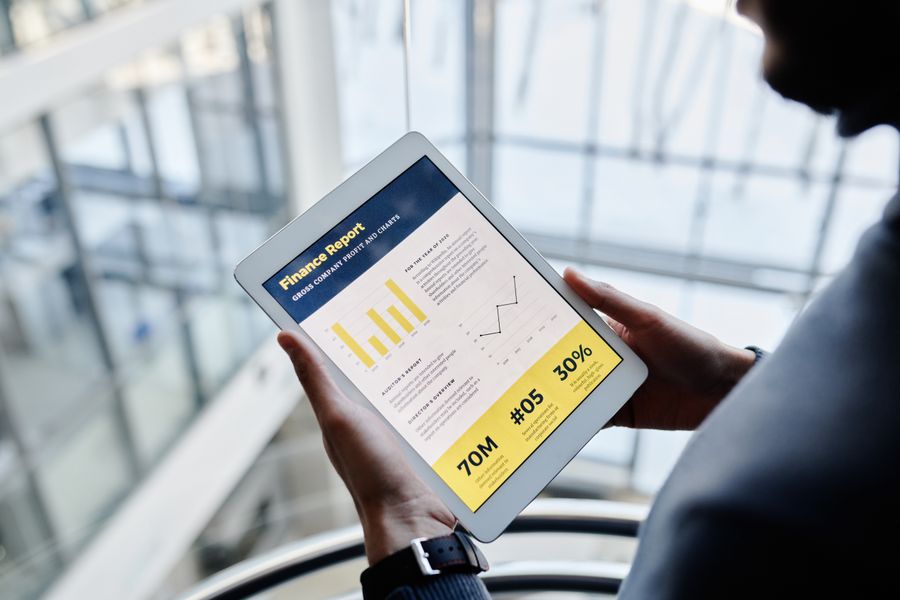
TransFi modernizes Africa outbound payments to the Philippines by orchestrating cross-border compliance, multi-currency treasury settlement, and local last-mile delivery through Philippine domestic rails via a unified API. Whether a South African fintech paying Cebu developers, a Nigerian healthcare company settling Manila supplier invoices, or a Kenyan marketplace disbursing to Filipino creators, TransFi aligns African-origin send workflows with how Filipinos actually receive money. Transparent FX and real-time status tracking replace fragmented cross-continental banking.

One TransFi integration covers Philippines payouts alongside Indonesia, Pakistan, and other corridors—enabling African platforms scaling globally to add Southeast Asian disbursement capability without building separate banking partnerships across continents with fundamentally different payment ecosystems.

Regional enterprises also benefit from consolidated reporting across multiple destination countries. Finance teams operating from Singapore, Sydney, or Johannesburg hubs need unified webhook events, reconciliation exports, and audit trails that map cleanly to ERP systems without manual CSV stitching. TransFi delivers corridor-specific last-mile routing while preserving a single integration contract, API authentication model, and compliance workflow—reducing the operational tax of expanding send coverage into new destination markets without re-architecting treasury infrastructure.
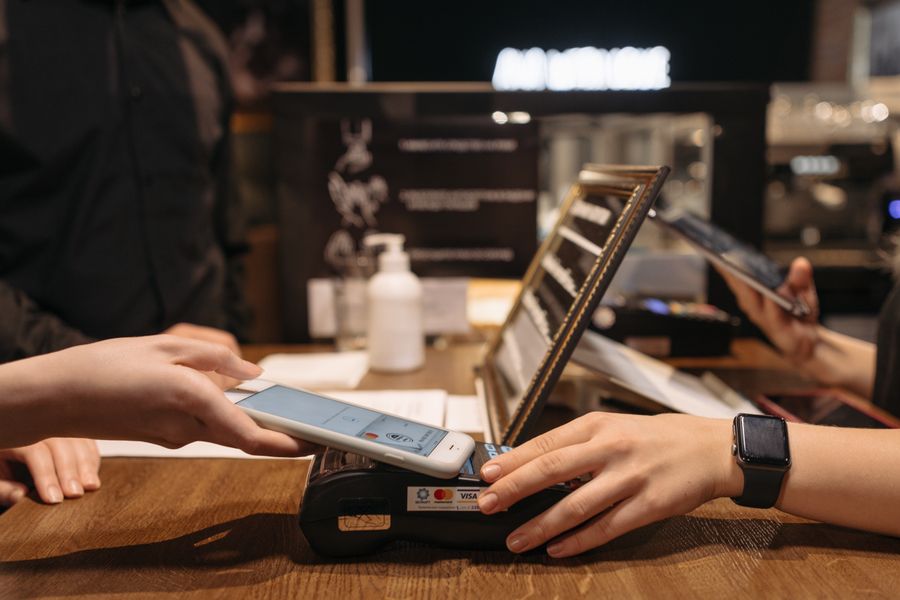
Security and governance teams increasingly require proof-of-payment artifacts, beneficiary screening logs, and immutable transaction identifiers that legacy wire workflows struggle to provide at scale. TransFi embeds these controls into API responses and webhook payloads, helping regulated senders demonstrate audit readiness during internal reviews and partner due diligence. That operational rigor becomes especially valuable when send volumes grow across multiple corridors and finance stakeholders demand consistent data models regardless of destination country or last-mile rail.
Senders on the Africa to Philippines corridor disburse through GCash, GrabPay, QR PH and 1+ and other trusted local payout rails. The Africa to Philippines corridor draws volume from African enterprises outsourcing to the Philippine BPO industry—one of the world's largest—with call centers, software development houses, and shared services operations serving clients from Lagos to Johannesburg. African technology startups employ Filipino developers and designers, adding payroll disbursement demand alongside B2B trade settlement between African importers and Philippine exporters. South African retailers sourcing consumer electronics and Nigerian agribusiness firms importing food products from Philippine suppliers contribute trade-finance payment flows.
Understand what drives this corridor - then send from Africa to Philippines in minutes.
Three things that define this route
African businesses and communities send growing payment volume to the Philippines through corridors linking South African BPO clients, Nigerian healthcare and education importers, Kenyan technology partnerships, Egyptian maritime service providers, and pan-African marketplace networks paying Filipino freelancers, suppliers, and service providers. With 115 million residents and a $38 billion remittance market, the Philippines receives substantial global inflows—and African-origin sends increasingly target GCash, Maya, InstaPay, and PESONet delivery rather than slow correspondent banking routed through multiple intermediaries.
Africa's mobile money infrastructure—M-Pesa, MTN MoMo, Orange Money—operates on entirely different rails than the Philippines' GCash-dominated wallet ecosystem and BSP-supervised InstaPay instant transfer system. Cross-continental senders must navigate multi-hop FX conversion into PHP, beneficiary validation against GCash mobile numbers and InstaPay bank formats, and AML compliance across African central banks and Bangko Sentral ng Pilipinas oversight. Filipino wallet-first recipients manage daily spending through GCash, making wallet payout delivery essential for broad beneficiary coverage.
TransFi modernizes Africa outbound payments to the Philippines by orchestrating cross-border compliance, multi-currency treasury settlement, and local last-mile delivery through Philippine domestic rails via a unified API. Whether a South African fintech paying Cebu developers, a Nigerian healthcare company settling Manila supplier invoices, or a Kenyan marketplace disbursing to Filipino creators, TransFi aligns African-origin send workflows with how Filipinos actually receive money. Transparent FX and real-time status tracking replace fragmented cross-continental banking.
From payouts and collections to checkout, treasury, and stablecoin rails - TransFi powers it all through a single integration.
Companies across Lagos, Nairobi, and Johannesburg employing Filipino customer service agents, software developers, and accountants require reliable monthly PHP payroll via GCash, Maya, or InstaPay. TransFi automates recurring African-origin disbursements with beneficiary KYC, configurable schedules, and HR system webhooks. API-driven payroll reduces manual wire errors across vastly different time zones, giving Philippine team members predictable earnings access through payment channels they trust daily. TransFi provides webhook confirmation, reference tagging, and reconciliation-friendly status events so finance teams can automate exception handling and month-end close without manual bank portal checks.
Retailers, healthcare distributors, and consumer goods importers across Africa regularly settle PHP-denominated invoices with Philippine manufacturers and exporters. InstaPay and PESONet rails support higher-value B2B payments alongside GCash for smaller supplier disbursements. TransFi connects African corporate treasuries to Philippine domestic settlement with audit trails, invoice reference tagging, and transparent FX conversion without expensive USD correspondent intermediaries. TransFi provides webhook confirmation, reference tagging, and reconciliation-friendly status events so finance teams can automate exception handling and month-end close without manual bank portal checks.
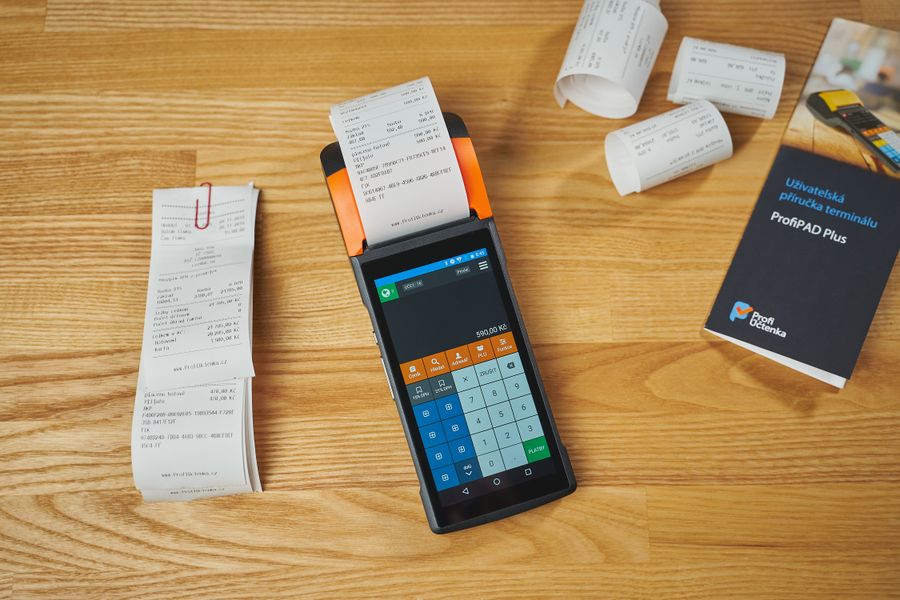
Pan-African e-commerce platforms, gaming publishers, and creator economies expanding into Southeast Asian content partnerships pay Filipino influencers, streamers, and sellers who expect timely PHP delivery through GCash and Maya. TransFi routes platform-initiated sends from African origins to Philippine wallets and bank accounts through a unified API with embedded compliance verification and webhook confirmation for finance automation. TransFi provides webhook confirmation, reference tagging, and reconciliation-friendly status events so finance teams can automate exception handling and month-end close without manual bank portal checks.
Hospitals, pharmaceutical distributors, and educational institutions across Egypt, South Africa, and Nigeria settle payments with Philippine medical equipment suppliers, pharmaceutical manufacturers, and training service providers. TransFi enables structured cross-continental sends with transparent status tracking, supporting growing South-South trade in healthcare and education services between Africa's rising economies and the Philippines' export-oriented service sector. TransFi provides webhook confirmation, reference tagging, and reconciliation-friendly status events so finance teams can automate exception handling and month-end close without manual bank portal checks.
Whatever your use case, TransFi moves money from Africa to Philippines.
Choose your specific origin country - 8 supported markets across Africa link to dedicated Africa → Philippines corridor pages.
Pick your origin country and start sending from Africa to Philippines.
Find the right route for your cross-border payments - search by country or region and open the corridor that matches your needs.
Send North America to Indonesia corridor
Send Latin America to Indonesia corridor
Send Africa to Indonesia corridor
Send Asia Pacific to Indonesia corridor
Send Europe to Indonesia corridor
Send Middle East & North Africa to Indonesia corridor
Send North America to Philippines corridor
Send Latin America to Philippines corridor
Send Africa to Philippines corridor
$5B+
transaction volume projected
2M+
users served globally
100+
enterprise clients
Global compliance coverage | Enterprise-grade infrastructure | 24/7 support
Can African senders deliver funds to GCash and Maya wallets in the Philippines?
Yes. TransFi supports payout to GCash and Maya e-wallets from African origin markets including South Africa, Nigeria, Kenya, and Egypt, in addition to InstaPay-aligned bank transfers. Wallet delivery suits Filipino recipients who manage daily spending through mobile apps. Beneficiary wallet details are verified during API onboarding to meet cross-border compliance requirements across both African and Philippine jurisdictions. Implementation typically follows TransFi's standard sandbox-to-production path with KYB onboarding, method enablement, and test transactions before live traffic.
How does TransFi support African companies outsourcing to the Philippines?
TransFi enables recurring payroll disbursement from African corporate treasuries to Philippine BPO and IT teams through GCash, Maya, and InstaPay delivery. Batch payout capability, webhook confirmation, and HR system integration support companies employing dozens or hundreds of Filipino remote workers. Transparent PHP FX and flat per-transaction fees make the platform economical for monthly salary disbursement across the Africa-Philippines corridor. Implementation typically follows TransFi's standard sandbox-to-production path with KYB onboarding, method enablement, and test transactions before live traffic.
What currencies can African businesses send from when paying Philippine recipients?
TransFi supports cross-border sends originating from ZAR, NGN, KES, EGP, and other African currencies with conversion into PHP for local delivery. Businesses operating treasuries in Lagos, Johannesburg, or Nairobi can fund sends from their preferred operating currency. FX rates and fees are disclosed at initiation for accurate cross-continental budgeting. Implementation typically follows TransFi's standard sandbox-to-production path with KYB onboarding, method enablement, and test transactions before live traffic.
How fast are African-origin transfers delivered to Philippine recipients?
GCash and Maya wallet credits plus InstaPay bank transfers typically confirm within minutes once cross-border compliance checks complete. TransFi provides real-time status updates via API webhooks. Exact timelines vary by African origin country, amount, beneficiary verification tier, and selected last-mile method—substantially faster than traditional correspondent wire chains. Implementation typically follows TransFi's standard sandbox-to-production path with KYB onboarding, method enablement, and test transactions before live traffic.
Fast, transparent, and built for modern cross-border payments from Africa to Philippines
 Global Payments. Delivered Locally - Send, receive, and convert funds across 100+ countries.
 UAE
 USA
 Poland
 Canada
 Bahamas
 Indonesia
 Australia
 Copyright ©2026 TransFi | All Rights Reserved


