


Settlement speed
Most transfers to Pakistan settle in minutes to hours via local rails - not days through correspondent banks.

Move funds from Middle East & North Africa to Pakistan with transparent FX, local payment rails, and real-time tracking across every supported country on this route.
Fast SettlementBuilt for faster delivery across Pakistan
Transparent PricingKnow fees and FX rates before you send
Regional CoverageSend to 70+ countries with local payout rails - Raast, HBL, UBL and 2+
 AED
AED PKR
PKRSend from Middle East & North Africa to Pakistan with delivery timelines shown upfront on every transfer across 3 origin and 0 destination countries.
Most supported routes settle within minutes to hours via local rails and stablecoin infrastructure.
Live FX and fees on every Middle East & North Africa → Pakistan route - no hidden spreads or surprise deductions.
Know the final amount, fees, and FX rate before funds leave Middle East & North Africa or arrive in Pakistan.
Monitor every payment from Middle East & North Africa to Pakistan in real time - from initiation through payout across the corridor.
Corridor-level status updates from initiation through local payout in Pakistan.
Speed up Middle East & North Africa → Pakistan settlement with stablecoin infrastructure bridging both markets.
Combine local payment rails in Middle East & North Africa with faster settlement into Pakistan payout networks.
Most transfers to Pakistan settle in minutes to hours via local rails - not days through correspondent banks.
See live AED to PKR exchange rates and fees upfront before you confirm your transfer.
Real-time status updates from funding in Middle East & North Africa through delivery in Pakistan.
Deliver to Raast, HBL, UBL and 2+ that people in Pakistan use daily, funded from Middle East & North Africa - not generic wire-only endpoints.
KYC, KYB, and beneficiary verification aligned with regulations on both sides of the corridor.
Send from 3 countries across Middle East & North Africa using familiar local payment methods.
Enter the amount in United Arab Emirates dirham
Add your recipient's Raast ID or bank account - for Pakistan this is typically full name and Raast, JazzCash, or Pakistani bank account details
Review the exchange rate, fees, and estimated delivery time
Send and track the payment in real time
Set up your Middle East & North Africa to Pakistan corridor in just a few steps.
Raast is Pakistan's real-time payment system operated under the State Bank of Pakistan. It supports instant account-to-account transfers using a simple Raast ID (mobile number or other alias), making it ideal for salary disbursement, merchant settlement, and government payments. For platforms, Raast reduces reliance on manual IBAN entry and accelerates reconciliation. Adoption is growing across banks and fintech apps, and Raast is increasingly the default rail for instant domestic transfers at scale. Cross-border products terminating into Raast give recipients the same instant experience they expect from domestic P2P transfers.
Minutes
HBL is one of Pakistan's largest and most recognized banks, with extensive retail, corporate, and international correspondent relationships spanning the UAE, UK, and other diaspora corridors. Businesses use HBL for bulk payouts, vendor payments, and treasury operations where established banking relationships and robust compliance matter. HBL's digital channels support online transfers and bill payments, and its brand recognition gives end users confidence when linking bank accounts or authorizing debits for subscriptions and invoices. For cross-border receive and send products, HBL termination covers a substantial share of Pakistani account holders.
1–24 hours
UBL serves a broad customer base across urban centers and secondary cities, with strong presence in remittance-linked accounts and SME banking across Pakistan's 235 million population. For marketplaces and payroll providers, UBL is a critical settlement destination because a significant share of Pakistani workers and freelancers maintain primary accounts there. Integrating UBL-compatible bank transfer flows improves payout success rates and reduces customer support friction around failed or delayed credits from UAE, UK, and USA send corridors.
1–24 hours
MCB Bank is a leading commercial bank known for retail banking, corporate services, and digital innovation. MCB accounts are widely used for everyday banking, loan repayments, and business transactions. Platforms that support MCB transfers tap into a large pool of account holders who prefer direct bank debits over cards. For B2B and B2C use cases alike, MCB remains a high-trust rail for domestic collections and disbursements in PKR.
1–24 hours
JazzCash is among Pakistan's most adopted mobile wallets, reaching consumers and micro-merchants who may not maintain full traditional bank relationships. Wallet payments excel at low-ticket e-commerce, top-ups, utility bills, and gig-economy payouts. Agent networks extend cash-in and cash-out access beyond smartphone penetration limits across Punjab, Sindh, KPK, and Balochistan. For international businesses, offering JazzCash at checkout and as a receive method can materially lift conversion among mobile-first users who expect wallet-native experiences comparable to domestic JazzCash P2P transfers.
Minutes to hours
Send with the payment methods people use across Pakistan.

Direct deposit to local bank accounts where available

Wallet delivery on supported routes

Faster payout rails where available in Pakistan
Offer local payout options recipients trust across Pakistan.
This Middle East & North Africa to Pakistan route combines TransFi's cross-border infrastructure with local payout coverage via Raast, HBL, UBL and 2+. Whether you're disbursing payroll, paying suppliers, or sending to family, transfers typically settle in minutes to hours with live AED-to-PKR rates shown upfront.
Explore live rates and coverage for the Middle East & North Africa → Pakistan corridor, including Raast, HBL, and UBL and many more.

Sending money from Middle East & North Africa to Pakistan is a corridor where regional origin diversity meets localized last-mile delivery on Raast, JazzCash, Easypaisa, and Raast rails that 235 million people increasingly treat as default financial infrastructure. Businesses across 15+ origin markets in Middle East & North Africa—funding in UAE dirham, Saudi riyal, Egyptian pound, Moroccan dirham, and Jordanian dinar—need to pay PKR to suppliers, contractors, affiliates, and partners in Karachi, Lahore, Islamabad, and beyond without stitching together correspondent banks, opaque FX desks, and disconnected wallet APIs.
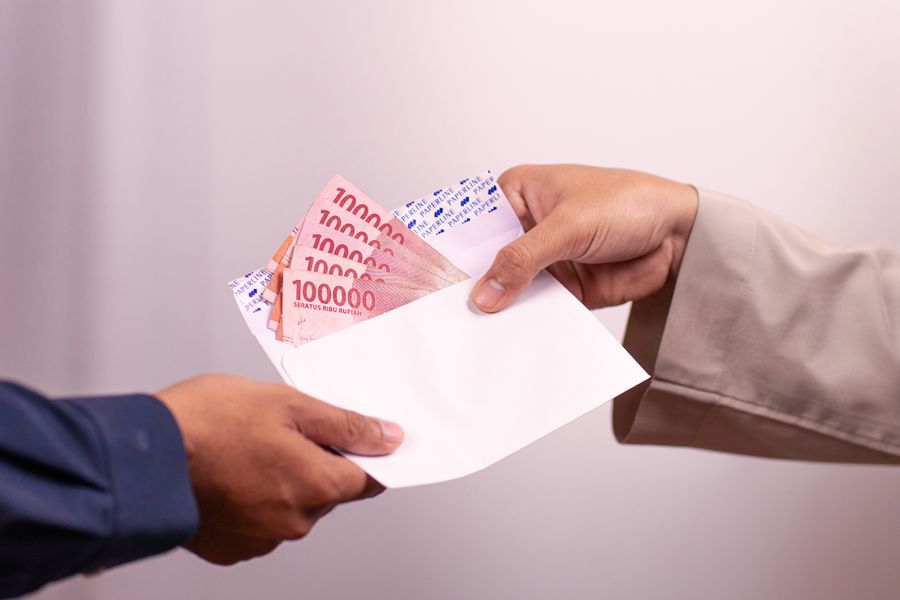
MENA enterprises—from Dubai trading houses and Riyadh conglomerates to Cairo manufacturers and Casablanca exporters—route substantial B2B and payroll payments to Asia as Gulf Vision programs and regional diversification accelerate. When Moroccan textile buyers funding Pakistani mill suppliers initiates a cross-border payment, recipients in Pakistan expect funds in Pakistani rupee through channels they already use daily—not a wire notification that requires branch visits or manual wallet top-ups. TransFi connects Middle East & North Africa origin funding to Pakistan payout orchestration through a unified API with webhook status, beneficiary verification, and treasury settlement in USD, EUR, stablecoins, or origin-region currencies as configured.
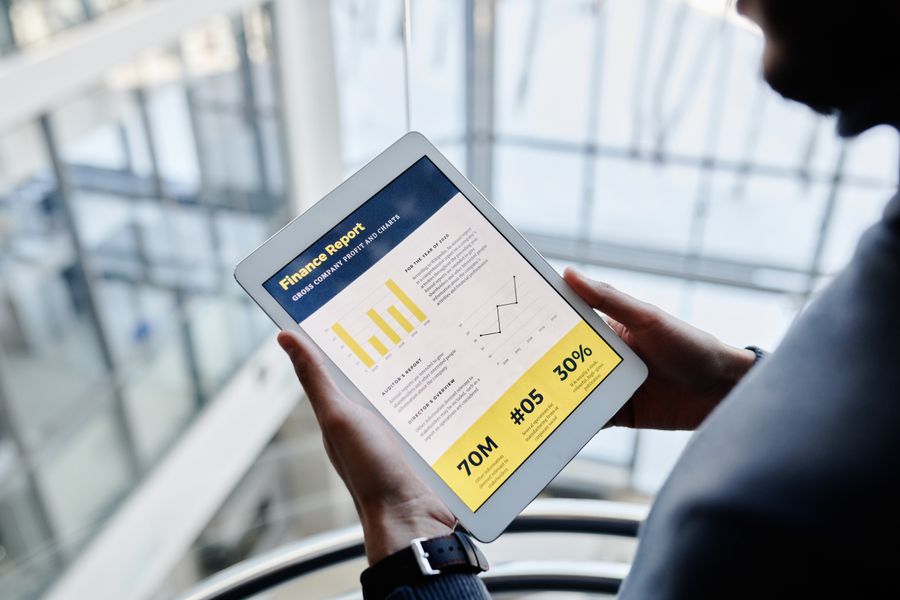
Legacy international payment stacks treat Middle East & North Africa-to-Pakistan as a low-priority SWIFT afterthought. Senders face hidden FX spreads between origin currencies and PKR, multi-day settlement windows, and poor visibility when payments stall at intermediary banks. Pakistan's Raast instant payment system and large diaspora remittance base reshape how cross-border funds reach local recipients. Recipients anchored to Raast and MCB reject experiences that feel foreign compared to domestic transfers regulated by State Bank of Pakistan. TransFi replaces fragmented vendor relationships with corridor-native infrastructure built for emerging-market payment reality.

The economic case for modernizing Middle East & North Africa to Pakistan sends spans B2B trade settlement, marketplace seller payouts, payroll for remote teams, insurance and aid disbursements, and platform creator earnings. Moroccan textile buyers funding Pakistani mill suppliers cannot scale if each payout requires manual treasury intervention. API-driven batch sends with per-beneficiary validation, idempotent transaction IDs, and automated retry on transient rail failures give operations teams confidence during high-volume periods. Corridor volumes intensify during Ramadan and Eid disbursement windows, Hajj-related travel payments, and Gulf fiscal quarters when procurement teams settle Asian supplier invoices. TransFi scales elastically so settlement speed does not degrade when volumes surge.

Compliance is non-negotiable on both sides of this corridor. MENA-origin payments require alignment with local FX controls, sanctions screening expectations, and destination-country AML frameworks administered by regulators such as central banks and financial intelligence units. On the Pakistan destination leg, State Bank of Pakistan expects traceable inbound flows with beneficiary identification aligned to local payment system rules. TransFi embeds sender KYB, beneficiary verification, and sanctions screening into API workflows rather than redirecting users to disconnected portals. Audit trails support finance teams reconciling PKR payouts against ERP records and transfer-pricing documentation for multinational groups operating across Middle East & North Africa and Pakistan.
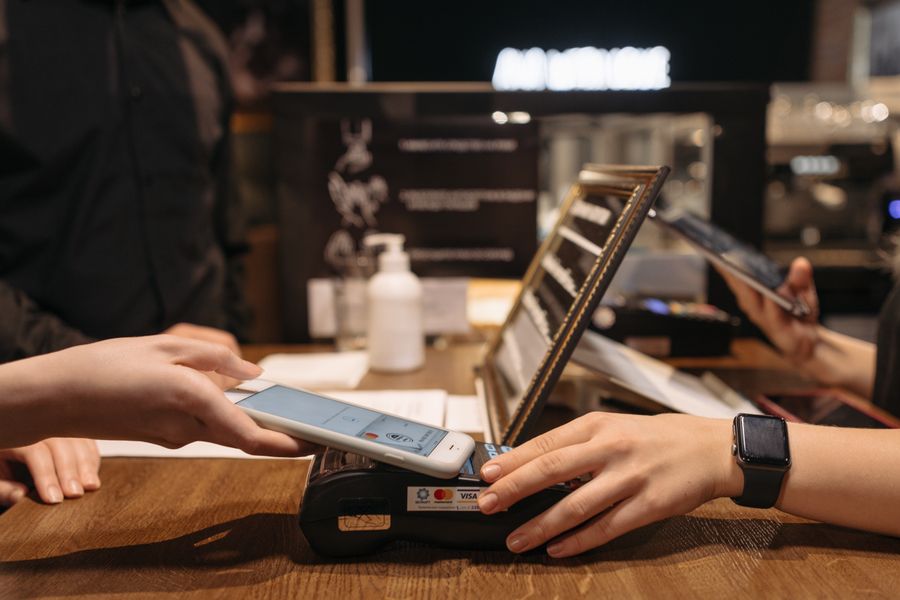
Speed and cost determine provider selection. Where traditional wires may take three to five business days with $25–40 in opaque fees, TransFi routes Middle East & North Africa-origin liquidity through optimized FX and localized Pakistan termination—often delivering to Raast or bank endpoints within minutes to hours once compliance checks complete. Senders see all-in pricing at initiation: disclosed fees, live FX, and expected delivery windows. That transparency wins repeat usage in competitive corridors where Moroccan textile buyers funding Pakistani mill suppliers compares providers on delivered value, not marketing claims.
Senders on the Middle East & North Africa to Pakistan corridor disburse through Raast, HBL, UBL and 2+ and other trusted local payout rails. The Middle East & North Africa to Pakistan send corridor reflects structural shifts in global trade, remote work, and platform economics. MENA enterprises—from Dubai trading houses and Riyadh conglomerates to Cairo manufacturers and Casablanca exporters—route substantial B2B and payroll payments to Asia as Gulf Vision programs and regional diversification accelerate. Simultaneously, Pakistan exports textile exports and IT freelancing, drawing procurement teams in United Arab Emirates and neighboring Middle East & North Africa markets into recurring PKR payment relationships with vendors in Karachi and Lahore.
Understand what drives this corridor - then send from Middle East & North Africa to Pakistan in minutes.
Three things that define this route
Sending money from Middle East & North Africa to Pakistan is a corridor where regional origin diversity meets localized last-mile delivery on Raast, JazzCash, Easypaisa, and Raast rails that 235 million people increasingly treat as default financial infrastructure. Businesses across 15+ origin markets in Middle East & North Africa—funding in UAE dirham, Saudi riyal, Egyptian pound, Moroccan dirham, and Jordanian dinar—need to pay PKR to suppliers, contractors, affiliates, and partners in Karachi, Lahore, Islamabad, and beyond without stitching together correspondent banks, opaque FX desks, and disconnected wallet APIs.
Origin-side payment behavior in Middle East & North Africa varies by market but converges on demand for digital initiation. UAE bank transfers and wallets; Saudi SARIE instant payments; Egyptian InstaPay; Moroccan bank and mobile channels; regional card acquirers enable senders to fund cross-border payouts locally before FX conversion. Enterprises prefer API batch disbursement integrated with NetSuite, SAP, or regional ERP systems; remittance and gig platforms need white-label flows with competitive UAE dirham-to-PKR rates. TransFi abstracts this origin complexity while presenting a uniform integration to product teams.
Legacy international payment stacks treat Middle East & North Africa-to-Pakistan as a low-priority SWIFT afterthought. Senders face hidden FX spreads between origin currencies and PKR, multi-day settlement windows, and poor visibility when payments stall at intermediary banks. Pakistan's Raast instant payment system and large diaspora remittance base reshape how cross-border funds reach local recipients. Recipients anchored to Raast and MCB reject experiences that feel foreign compared to domestic transfers regulated by State Bank of Pakistan. TransFi replaces fragmented vendor relationships with corridor-native infrastructure built for emerging-market payment reality.
From payouts and collections to checkout, treasury, and stablecoin rails - TransFi powers it all through a single integration.
Moroccan textile buyers funding Pakistani mill suppliers require dependable PKR invoice settlement to vendors in Karachi, Lahore, and secondary industrial zones. TransFi routes Middle East & North Africa-origin funding—via UAE bank transfers and wallets and treasury currencies—through optimized FX into Raast and bank termination with invoice references captured for ERP reconciliation. Finance teams in United Arab Emirates schedule batch runs aligned to Pakistan business hours, reducing supplier friction that delays shipment of textile exports and IT freelancing goods back to Middle East & North Africa buyers. Multinational procurement groups centralize Pakistan payouts through TransFi's API, replacing ad-hoc wire initiation that lacked beneficiary validation and status visibility. Proof-of-payment documents support audit requirements under MENA-origin payments require alignment with local FX controls, sanctions screening expectations, and destination-country AML frameworks administered by regulators such as central banks and financial intelligence units. Suppliers receive PKR on rails they trust—Raast for SME vendors, instant bank transfer for larger manufacturers—strengthening supply relationships across the Middle East & North Africa to Pakistan trade lane. Three-way matching between purchase orders, goods receipts, and TransFi payment confirmations closes the loop for Pakistan accounts payable teams serving Middle East & North Africa parent companies. Automated exception handling flags mismatched beneficiary details before funds leave origin accounts—preventing costly recalls when State Bank of Pakistan validation rejects malformed wallet or bank identifiers. Moroccan textile buyers funding Pakistani mill suppliers require dependable PKR invoice settlement to vendors in Karachi, Lahore, and secondary industrial zones. TransFi routes Middle East & North Africa-origin funding—via UAE bank transfers and wallets and treasury currencies—through optimized FX into Raast and bank termination with invoice references captured for ERP reconciliation. Finance teams in United Arab Emirates schedule batch runs aligned to Pakistan business hours, reducing supplier friction that delays shipment of textile exports and IT freelancing goods back to Middle East & North Africa buyers. Multinational procurement groups centralize Pakistan payouts through TransFi's API, replacing ad-hoc wire initiation that lacked beneficiary validation and status visibility. Proof-of-payment documents support audit requirements under MENA-origin payments require alignment with local FX controls, sanctions screening expectations, and destination-country AML frameworks administered by regulators such as central banks and financial intelligence units. Suppliers receive PKR on rails they trust—Raast for SME vendors, instant bank transfer for larger manufacturers—strengthening supply relationships across the Middle East & North Africa to Pakistan trade lane.
Companies in Middle East & North Africa employing remote teams across Karachi, Lahore, Islamabad, Faisalabad, Peshawar need recurring PKR salary delivery via Raast and JazzCash. TransFi automates payroll batches with per-employee beneficiary KYC, webhook confirmation for HRIS integration, and transparent KWD-to-PKR FX disclosed before each run. Late payments damage employer brand in Pakistan's competitive IT freelancing labor market—particularly when workers compare offers from global platforms promising same-day wallet crediting. Gig platforms and agencies disbursing creator, developer, and support earnings from United Arab Emirates to Pakistan consolidate payout rails through one TransFi integration covering Raast, JazzCash, Easypaisa, HBL. Micro-payout economics remain viable at scale with tiered pricing; embedded verification satisfies AML without separate onboarding portals. Operations teams monitor success rates by method and city, optimizing routing when State Bank of Pakistan rail maintenance affects specific endpoints. Contractor classification and tax reporting vary across Middle East & North Africa jurisdictions—TransFi transaction metadata supports finance teams documenting cross-border payments to Pakistan individuals for regulatory filings in United Arab Emirates and peer markets. Payslip integrations can embed TransFi reference numbers so Pakistan workers reconcile credits against expected PKR amounts on each pay cycle. Companies in Middle East & North Africa employing remote teams across Karachi, Lahore, Islamabad, Faisalabad, Peshawar need recurring PKR salary delivery via Raast and JazzCash. TransFi automates payroll batches with per-employee beneficiary KYC, webhook confirmation for HRIS integration, and transparent KWD-to-PKR FX disclosed before each run. Late payments damage employer brand in Pakistan's competitive IT freelancing labor market—particularly when workers compare offers from global platforms promising same-day wallet crediting. Gig platforms and agencies disbursing creator, developer, and support earnings from United Arab Emirates to Pakistan consolidate payout rails through one TransFi integration covering Raast, JazzCash, Easypaisa, HBL. Micro-payout economics remain viable at scale with tiered pricing; embedded verification satisfies AML without separate onboarding portals. Operations teams monitor success rates by method and city, optimizing routing when State Bank of Pakistan rail maintenance affects specific endpoints. Contractor classification and tax reporting vary across Middle East & North Africa jurisdictions—TransFi transaction metadata supports finance teams documenting cross-border payments to Pakistan individuals for regulatory filings in United Arab Emirates and peer markets. Payslip integrations can embed TransFi reference numbers so Pakistan workers reconcile credits against expected PKR amounts on each pay cycle. Companies in Middle East & North Africa employing remote teams across Karachi, Lahore, Islamabad, Faisalabad, Peshawar need recurring PKR salary delivery via Raast and JazzCash. TransFi automates payroll batches with per-employee beneficiary KYC, webhook confirmation for HRIS integration, and transparent KWD-to-PKR FX disclosed before each run. Late payments damage employer brand in Pakistan's competitive IT freelancing labor market—particularly when workers compare offers from global platforms promising same-day wallet crediting.
Regional marketplaces connecting Middle East & North Africa buyers with Pakistan sellers must settle earnings in PKR on weekly or daily cycles. TransFi validates seller Pakistan account details before debit, supports split payments and commission deductions, and provides per-payout webhooks for automated reconciliation. Sellers in textile exports reinvest faster when Raast credits arrive within hours—not days through legacy correspondent chains that erode FX with hidden spreads. Affiliate networks and influencer platforms paying Pakistan partners from Middle East & North Africa campaign budgets benefit from saved beneficiary profiles, scheduled sends, and shareable tracking links senders forward to recipients. Faster settlement reduces seller churn to domestic competitors and improves marketplace liquidity in categories from agriculture and food processing to construction materials where working capital timing determines inventory availability for Middle East & North Africa promotional peaks. Escrow and holdback workflows common in cross-border marketplace disputes integrate with TransFi partial release APIs—funds remain in orchestrated custody until Middle East & North Africa buyers confirm delivery of Pakistan goods. This reduces chargeback-like conflicts when textile exports shipments cross long ocean lanes between Middle East & North Africa ports and Karachi export zones. Regional marketplaces connecting Middle East & North Africa buyers with Pakistan sellers must settle earnings in PKR on weekly or daily cycles. TransFi validates seller Pakistan account details before debit, supports split payments and commission deductions, and provides per-payout webhooks for automated reconciliation. Sellers in textile exports reinvest faster when Raast credits arrive within hours—not days through legacy correspondent chains that erode FX with hidden spreads. Affiliate networks and influencer platforms paying Pakistan partners from Middle East & North Africa campaign budgets benefit from saved beneficiary profiles, scheduled sends, and shareable tracking links senders forward to recipients. Faster settlement reduces seller churn to domestic competitors and improves marketplace liquidity in categories from agriculture and food processing to construction materials where working capital timing determines inventory availability for Middle East & North Africa promotional peaks. Escrow and holdback workflows common in cross-border marketplace disputes integrate with TransFi partial release APIs—funds remain in orchestrated custody until Middle East & North Africa buyers confirm delivery of Pakistan goods. This reduces chargeback-like conflicts when textile exports shipments cross long ocean lanes between Middle East & North Africa ports and Karachi export zones. Regional marketplaces connecting Middle East & North Africa buyers with Pakistan sellers must settle earnings in PKR on weekly or daily cycles. TransFi validates seller Pakistan account details before debit, supports split payments and commission deductions, and provides per-payout webhooks for automated reconciliation. Sellers in textile exports reinvest faster when Raast credits arrive within hours—not days through legacy correspondent chains that erode FX with hidden spreads.
Insurers, NGOs, and enterprises in Middle East & North Africa disbursing claims, aid, bonuses, and stipends to Pakistan beneficiaries across dispersed geography need verified, traceable PKR payouts. TransFi orchestrates cross-border funding with localized delivery to Raast for recipients without traditional bank access and to bank rails for higher-value corporate payments. Audit trails satisfy regulated disbursement programs; batch processing scales during peak periods including Corridor volumes intensify during Ramadan and Eid disbursement windows, Hajj-related travel payments, and Gulf fiscal quarters when procurement teams settle Asian supplier invoices. Moroccan textile buyers funding Pakistani mill suppliers rely on real-time status APIs and recipient notifications when funds credit Raast. Customer support teams resolve inquiries from single transaction logs spanning Middle East & North Africa origin debit through Pakistan confirmation—improving satisfaction for beneficiaries expecting urgent PKR access for medical bills, education fees, and emergency expenses in Islamabad and rural communities. Humanitarian programs serving Pakistan disaster-affected regions prioritize Raast reach when branch banking is disrupted—TransFi wallet termination maintains payout continuity when traditional bank rails face localized outages. Donor reporting dashboards aggregate disbursement totals by Pakistan province for NGO compliance with Middle East & North Africa and international grant-maker requirements. Insurers, NGOs, and enterprises in Middle East & North Africa disbursing claims, aid, bonuses, and stipends to Pakistan beneficiaries across dispersed geography need verified, traceable PKR payouts. TransFi orchestrates cross-border funding with localized delivery to Raast for recipients without traditional bank access and to bank rails for higher-value corporate payments. Audit trails satisfy regulated disbursement programs; batch processing scales during peak periods including Corridor volumes intensify during Ramadan and Eid disbursement windows, Hajj-related travel payments, and Gulf fiscal quarters when procurement teams settle Asian supplier invoices. Moroccan textile buyers funding Pakistani mill suppliers rely on real-time status APIs and recipient notifications when funds credit Raast. Customer support teams resolve inquiries from single transaction logs spanning Middle East & North Africa origin debit through Pakistan confirmation—improving satisfaction for beneficiaries expecting urgent PKR access for medical bills, education fees, and emergency expenses in Islamabad and rural communities. Humanitarian programs serving Pakistan disaster-affected regions prioritize Raast reach when branch banking is disrupted—TransFi wallet termination maintains payout continuity when traditional bank rails face localized outages. Donor reporting dashboards aggregate disbursement totals by Pakistan province for NGO compliance with Middle East & North Africa and international grant-maker requirements.
Whatever your use case, TransFi moves money from Middle East & North Africa to Pakistan.
Choose your specific origin country - 3 supported markets across Middle East & North Africa link to dedicated Middle East & North Africa → Pakistan corridor pages.
Pick your origin country and start sending from Middle East & North Africa to Pakistan.
Find the right route for your cross-border payments - search by country or region and open the corridor that matches your needs.
Send North America to Indonesia corridor
Send Latin America to Indonesia corridor
Send Africa to Indonesia corridor
Send Asia Pacific to Indonesia corridor
Send Europe to Indonesia corridor
Send Middle East & North Africa to Indonesia corridor
Send North America to Philippines corridor
Send Latin America to Philippines corridor
Send Africa to Philippines corridor
$5B+
transaction volume projected
2M+
users served globally
100+
enterprise clients
Global compliance coverage | Enterprise-grade infrastructure | 24/7 support
How fast can I send money from Middle East & North Africa to Pakistan through TransFi?
Most Middle East & North Africa to Pakistan transfers through TransFi settle within minutes to a few hours once compliance checks complete—far faster than three-to-five-day SWIFT chains. Speed depends on payout method: Raast and instant bank rails typically confirm fastest; larger B2B bank transfers may follow same-day schedules. TransFi monitors Raast, JazzCash, Easypaisa, HBL, UBL, MCB availability continuously and notifies senders via webhook at each stage from United Arab Emirates origin debit through Pakistan beneficiary credit. Peak periods including Corridor volumes intensify during Ramadan and Eid disbursement windows, Hajj-related travel payments, and Gulf fiscal quarters when procurement teams settle Asian supplier invoices are handled with elastic capacity so delivery SLAs hold under volume spikes from Moroccan textile buyers funding Pakistani mill suppliers programs. Exact timelines vary by amount, beneficiary verification tier, and rail maintenance windows governed by State Bank of Pakistan. Sandbox testing lets product teams benchmark ETA before production launch for Middle East & North Africa to Pakistan payout flows. Cut-off times for United Arab Emirates treasury funding may affect same-day Pakistan delivery—TransFi displays estimated arrival before send confirmation so Moroccan textile buyers funding Pakistani mill suppliers teams set recipient expectations accurately. Most Middle East & North Africa to Pakistan transfers through TransFi settle within minutes to a few hours once compliance checks complete—far faster than three-to-five-day SWIFT chains. Speed depends on payout method: Raast and instant bank rails typically confirm fastest; larger B2B bank transfers may follow same-day schedules. TransFi monitors Raast, JazzCash, Easypaisa, HBL, UBL, MCB availability continuously and notifies senders via webhook at each stage from United Arab Emirates origin debit through Pakistan beneficiary credit. Peak periods including Corridor volumes intensify during Ramadan and Eid disbursement windows, Hajj-related travel payments, and Gulf fiscal quarters when procurement teams settle Asian supplier invoices are handled with elastic capacity so delivery SLAs hold under volume spikes from Moroccan textile buyers funding Pakistani mill suppliers programs.
Which payout methods are supported for recipients in Pakistan?
TransFi supports payout to Raast, JazzCash, Easypaisa, HBL, UBL, MCB in Pakistan. Raast is essential for wallet-first recipients across 235 million people; bank rails handle higher-value B2B payments to vendors in Karachi, Lahore, Islamabad, Faisalabad, Peshawar. Method selection can be automated by amount, beneficiary type, and success-rate optimization—Moroccan textile buyers funding Pakistani mill suppliers teams configure defaults via API while allowing recipient preference where product design requires. Failed termination triggers automatic retry on alternate Pakistan rails when configured. Inclusion improves when products support both wallet and bank paths: rural Pakistan beneficiaries may prefer Raast agent networks while urban manufacturers expect instant bank credit. TransFi termination breadth reduces last-mile failure rates versus bank-only outbound providers. Beneficiary lookup validates Pakistan wallet IDs and bank account formats before debit—reducing costly failed sends for Moroccan textile buyers funding Pakistani mill suppliers programs disbursing to first-time recipients across Islamabad and provincial areas. TransFi supports payout to Raast, JazzCash, Easypaisa, HBL, UBL, MCB in Pakistan. Raast is essential for wallet-first recipients across 235 million people; bank rails handle higher-value B2B payments to vendors in Karachi, Lahore, Islamabad, Faisalabad, Peshawar. Method selection can be automated by amount, beneficiary type, and success-rate optimization—Moroccan textile buyers funding Pakistani mill suppliers teams configure defaults via API while allowing recipient preference where product design requires. Failed termination triggers automatic retry on alternate Pakistan rails when configured. Inclusion improves when products support both wallet and bank paths: rural Pakistan beneficiaries may prefer Raast agent networks while urban manufacturers expect instant bank credit. TransFi termination breadth reduces last-mile failure rates versus bank-only outbound providers.
What currencies can I fund sends from in Middle East & North Africa?
Senders fund from UAE dirham, Saudi riyal, Egyptian pound, Moroccan dirham, and Jordanian dinar across 15+ Middle East & North Africa markets, with conversion to Pakistani rupee at disclosed live rates. Enterprises may also fund from USD, EUR, or stablecoin treasury accounts before PKR local delivery. Egyptian InstaPay and peer origin rails initiate the send leg; TransFi handles cross-border FX and Pakistan termination in one orchestrated flow with upfront fee transparency. Treasury teams model all-in costs before batch runs to Karachi vendor networks. Multi-currency funding suits Moroccan textile buyers funding Pakistani mill suppliers operations spanning several Middle East & North Africa entities—each can fund from local currency while TransFi consolidates PKR delivery through unified API credentials and reconciliation exports. Pre-funded corridor balances optional for high-volume Moroccan textile buyers funding Pakistani mill suppliers programs reduce per-transaction funding latency—especially during Corridor volumes intensify during Ramadan and Eid disbursement windows, Hajj-related travel payments, and Gulf fiscal quarters when procurement teams settle Asian supplier invoices when origin debit volume spikes across Middle East & North Africa. Senders fund from UAE dirham, Saudi riyal, Egyptian pound, Moroccan dirham, and Jordanian dinar across 15+ Middle East & North Africa markets, with conversion to Pakistani rupee at disclosed live rates. Enterprises may also fund from USD, EUR, or stablecoin treasury accounts before PKR local delivery. Egyptian InstaPay and peer origin rails initiate the send leg; TransFi handles cross-border FX and Pakistan termination in one orchestrated flow with upfront fee transparency. Treasury teams model all-in costs before batch runs to Karachi vendor networks.
What compliance is required for Middle East & North Africa to Pakistan transfers?
MENA-origin payments require alignment with local FX controls, sanctions screening expectations, and destination-country AML frameworks administered by regulators such as central banks and financial intelligence units. Destination rules from State Bank of Pakistan require beneficiary verification aligned with Pakistan payment system standards. TransFi implements tiered sender KYB, sanctions screening, and source-of-funds checks scaled to transaction size. Moroccan textile buyers funding Pakistani mill suppliers programs receive audit exports suitable for internal compliance review and external examinations without maintaining separate vendor relationships per rail. Enhanced due diligence triggers for high-value B2B sends are configurable—product teams balance conversion friction against regulatory expectations in both Middle East & North Africa origin markets and Pakistan inbound frameworks. PEP and sanctions list updates propagate automatically—Moroccan textile buyers funding Pakistani mill suppliers compliance teams avoid manual screening gaps when paying Pakistan suppliers on recurring schedules. MENA-origin payments require alignment with local FX controls, sanctions screening expectations, and destination-country AML frameworks administered by regulators such as central banks and financial intelligence units. Destination rules from State Bank of Pakistan require beneficiary verification aligned with Pakistan payment system standards. TransFi implements tiered sender KYB, sanctions screening, and source-of-funds checks scaled to transaction size. Moroccan textile buyers funding Pakistani mill suppliers programs receive audit exports suitable for internal compliance review and external examinations without maintaining separate vendor relationships per rail. Enhanced due diligence triggers for high-value B2B sends are configurable—product teams balance conversion friction against regulatory expectations in both Middle East & North Africa origin markets and Pakistan inbound frameworks.
Can businesses batch pay Pakistan suppliers from Middle East & North Africa?
Yes. Batch APIs support Moroccan textile buyers funding Pakistani mill suppliers paying hundreds or thousands of Pakistan suppliers, contractors, or marketplace sellers with per-recipient validation and webhook status. ERP integrations from SAP, NetSuite, and regional accounting platforms trigger PKR disbursements on invoice approval workflows. Proof-of-payment documents include reference fields for Pakistan vendor AP reconciliation and Middle East & North Africa treasury audit trails. Split payments, commission deductions, and scheduled payroll cycles are supported on the same API—marketplace operators and multinational procurement teams scale Middle East & North Africa to Pakistan disbursements without parallel integration projects. CSV upload and scheduled batch windows support finance teams migrating from manual Middle East & North Africa wire processes—validation reports flag invalid Pakistan beneficiary rows before any funds move. Yes. Batch APIs support Moroccan textile buyers funding Pakistani mill suppliers paying hundreds or thousands of Pakistan suppliers, contractors, or marketplace sellers with per-recipient validation and webhook status. ERP integrations from SAP, NetSuite, and regional accounting platforms trigger PKR disbursements on invoice approval workflows. Proof-of-payment documents include reference fields for Pakistan vendor AP reconciliation and Middle East & North Africa treasury audit trails. Split payments, commission deductions, and scheduled payroll cycles are supported on the same API—marketplace operators and multinational procurement teams scale Middle East & North Africa to Pakistan disbursements without parallel integration projects. CSV upload and scheduled batch windows support finance teams migrating from manual Middle East & North Africa wire processes—validation reports flag invalid Pakistan beneficiary rows before any funds move. Yes. Batch APIs support Moroccan textile buyers funding Pakistani mill suppliers paying hundreds or thousands of Pakistan suppliers, contractors, or marketplace sellers with per-recipient validation and webhook status.
How does TransFi pricing work for the Middle East & North Africa to Pakistan corridor?
TransFi pricing combines disclosed FX margins and per-transaction fees shown before send confirmation—no hidden correspondent charges. Rates vary by volume tier, payout method, and funding currency from Middle East & North Africa. High-throughput Moroccan textile buyers funding Pakistani mill suppliers programs receive dedicated rate cards and SLAs; contact TransFi for Middle East & North Africa to Pakistan corridor pricing aligned to your payout mix across Raast and bank termination. Transparent all-in pricing helps finance teams compare TransFi against legacy wire desks and competitor products on delivered PKR value—not headline rates that hide FX spread. Volume commitments unlock improved economics for enterprise send programs. Dedicated account managers support enterprise Moroccan textile buyers funding Pakistani mill suppliers implementations with corridor playbooks, beneficiary onboarding UX review, and quarterly business reviews covering Pakistan rail performance metrics. TransFi pricing combines disclosed FX margins and per-transaction fees shown before send confirmation—no hidden correspondent charges. Rates vary by volume tier, payout method, and funding currency from Middle East & North Africa. High-throughput Moroccan textile buyers funding Pakistani mill suppliers programs receive dedicated rate cards and SLAs; contact TransFi for Middle East & North Africa to Pakistan corridor pricing aligned to your payout mix across Raast and bank termination. Transparent all-in pricing helps finance teams compare TransFi against legacy wire desks and competitor products on delivered PKR value—not headline rates that hide FX spread. Volume commitments unlock improved economics for enterprise send programs. Dedicated account managers support enterprise Moroccan textile buyers funding Pakistani mill suppliers implementations with corridor playbooks, beneficiary onboarding UX review, and quarterly business reviews covering Pakistan rail performance metrics.
Fast, transparent, and built for modern cross-border payments from Middle East & North Africa to Pakistan
 Global Payments. Delivered Locally - Send, receive, and convert funds across 100+ countries.UAE
 USA
USA Poland
 Canada
 Bahamas
 Indonesia
 Australia
 Copyright ©2026 TransFi | All Rights Reserved