





Settlement speed
Most transfers to Philippines settle in minutes to hours via local rails - not days through correspondent banks.

Move funds from Asia Pacific to Philippines with transparent FX, local payment rails, and real-time tracking across every supported country on this route.
Fast SettlementBuilt for faster delivery across Philippines
Transparent PricingKnow fees and FX rates before you send
Regional CoverageSend to 70+ countries with local payout rails - GCash, GrabPay, QR PH and 1+
 SGD
SGD PHP
PHPSend from Asia Pacific to Philippines with delivery timelines shown upfront on every transfer across 14 origin and 0 destination countries.
Most supported routes settle within minutes to hours via local rails and stablecoin infrastructure.
Live FX and fees on every Asia Pacific → Philippines route - no hidden spreads or surprise deductions.
Know the final amount, fees, and FX rate before funds leave Asia Pacific or arrive in Philippines.
Monitor every payment from Asia Pacific to Philippines in real time - from initiation through payout across the corridor.
Corridor-level status updates from initiation through local payout in Philippines.
Speed up Asia Pacific → Philippines settlement with stablecoin infrastructure bridging both markets.
Combine local payment rails in Asia Pacific with faster settlement into Philippines payout networks.
Most transfers to Philippines settle in minutes to hours via local rails - not days through correspondent banks.
See live SGD to PHP exchange rates and fees upfront before you confirm your transfer.
Real-time status updates from funding in Asia Pacific through delivery in Philippines.
Deliver to GCash, GrabPay, QR PH and 1+ that people in Philippines use daily, funded from Asia Pacific - not generic wire-only endpoints.
KYC, KYB, and beneficiary verification aligned with regulations on both sides of the corridor.
Send from 14 countries across Asia Pacific using familiar local payment methods.
Enter the amount in Singapore Dollar
Add your recipient's GCash or bank account details - for Philippines this is typically full name, mobile number, and InstaPay or PESONet-ready account details
Review the exchange rate, fees, and estimated delivery time
Send and track the payment in real time
Set up your Asia Pacific to Philippines corridor in just a few steps.
GCash is the Philippines' dominant e-wallet, used by tens of millions of Filipinos for P2P transfers, bills, merchant QR payments, online checkout, and government benefit receipt. With approximately 89% share of the e-money market, it is the most important method for cross-border localization. Users fund wallets via bank linking, remittance credits, and retail cash-in partners. TransFi's GCash integration enables international merchants to collect from and pay out to GCash users via unified API workflows.
Minutes
Maya (formerly PayMaya) is a major digital wallet and financial services app offering payments, card products, and merchant acceptance across the Philippines. It serves consumers and SMEs who diversify spending across multiple fintech apps alongside GCash. Maya supports QR payments, online checkout, and bank-linked transfers, making it a valuable secondary wallet for merchants seeking maximum reachable audience. TransFi connects Maya for collections and payouts, improving authorization coverage for wallet-first Filipino shoppers and beneficiaries.
Minutes
InstaPay is the Philippines' real-time low-value payment rail operated under BSP oversight, enabling instant transfers up to defined limits between participating banks and e-money issuers. It powers quick account-to-account payments for e-commerce settlement, payroll, and everyday B2B transactions. InstaPay is the preferred bank rail when buyers or senders want direct debits rather than wallet balances. TransFi leverages InstaPay-aligned capabilities for fast domestic legs of cross-border receive and send flows.
Minutes
PESONet is the Philippines' batch electronic fund transfer system for higher-value and corporate payments, processing transactions across participating financial institutions on scheduled clearing cycles. It supports B2B invoice settlement, supplier payments, and treasury operations where InstaPay limits or timing may not fit. For cross-border businesses paying Philippine vendors or collecting from enterprise clients, PESONet provides a trusted bank-channel alternative. TransFi incorporates PESONet where applicable within broader payout and collection orchestration.
Same business day
Over-the-counter cash payment networks through convenience stores, payment centers, and partner retail locations remain vital in the Philippines for consumers without bank accounts or who prefer cash-based checkout for online orders. Buyers receive a reference code and pay in person; merchants receive confirmation once payment posts. OTC extends e-commerce reach beyond wallet-only segments. TransFi supports OTC collection pathways so international sellers can convert cash-preferring Filipino buyers without local retail infrastructure.
Minutes to hours
Send with the payment methods people use across Philippines.

Direct deposit to local bank accounts where available

Wallet delivery on supported routes

Faster payout rails where available in Philippines
Offer local payout options recipients trust across Philippines.
This Asia Pacific to Philippines route combines TransFi's cross-border infrastructure with local payout coverage via GCash, GrabPay, QR PH and 1+. Whether you're disbursing payroll, paying suppliers, or sending to family, transfers typically settle in minutes to hours with live SGD-to-PHP rates shown upfront.
Explore live rates and coverage for the Asia Pacific → Philippines corridor, including GCash, GrabPay, and QR PH and many more.

Asia Pacific drives some of the world's highest-volume payment corridors into the Philippines, fueled by overseas Filipino workers across Singapore, Hong Kong, Japan, Taiwan, and South Korea, regional BPO and remote-work payroll, intra-ASEAN trade settlement, and marketplace payouts to Filipino sellers and creators. With 115 million residents and a remittance market exceeding $38 billion annually, the Philippines receives substantial cross-border inflows from across APAC—and recipients overwhelmingly expect funds via GCash, Maya, InstaPay, and PESONet rather than slow international wire chains that take days to clear.
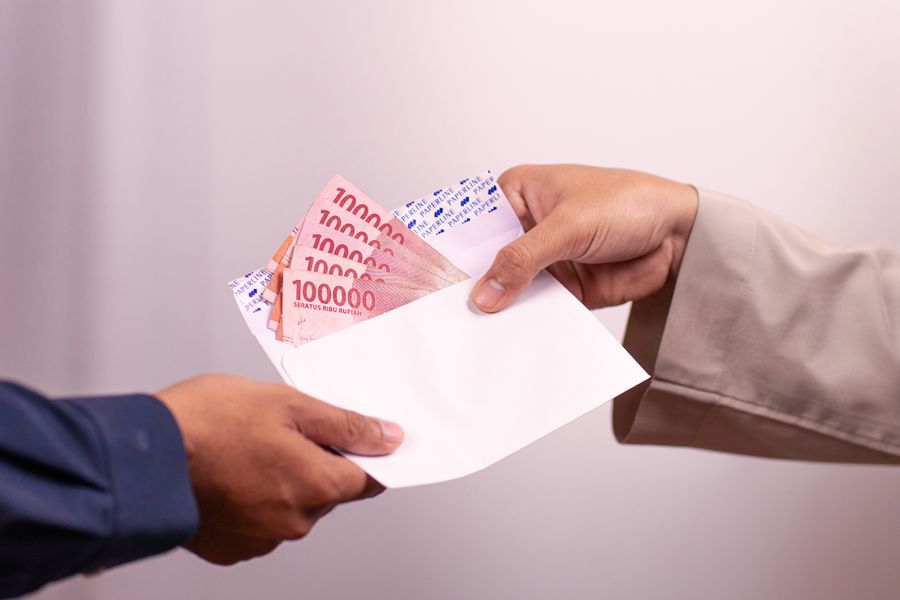
Legacy remittance and corporate payment providers from APAC origins often charge opaque FX spreads, offer limited payout method choice, and provide weak tracking visibility for both senders and recipients. Filipino beneficiaries accustomed to InstaPay transfers crediting bank accounts within minutes increasingly reject multi-day wire settlement, especially when GCash wallet credits can arrive almost instantly for daily expenses, school fees, and medical bills. APAC senders—from Singapore fintechs to Australian enterprises to Japanese trading houses—face integration complexity when managing separate banking, wallet, and compliance relationships for each corridor.
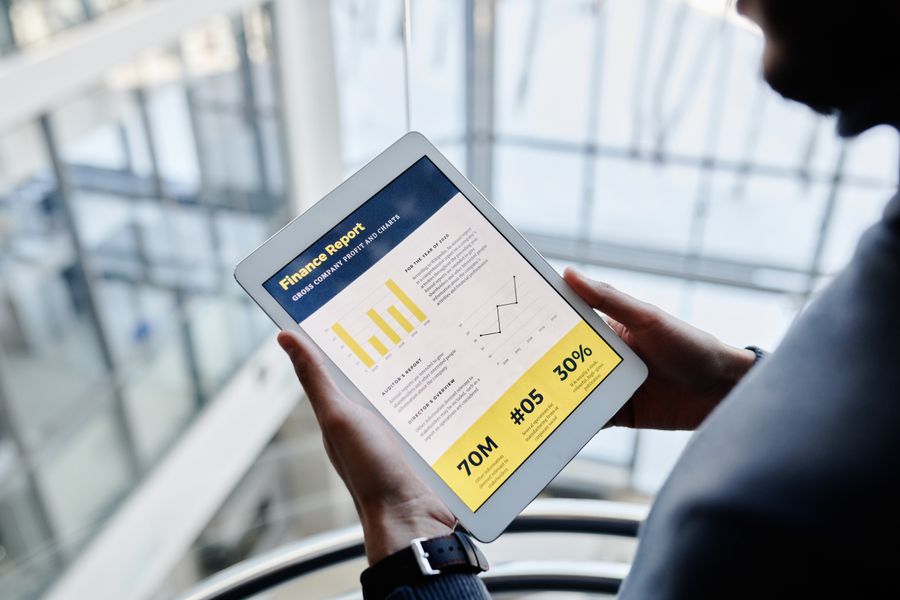
TransFi modernizes Asia Pacific outbound payments to the Philippines by orchestrating cross-border compliance, treasury settlement, and local last-mile delivery through Philippine domestic rails. Businesses send via API with predictable statuses and webhooks; remittance operators and payroll platforms benefit from the same infrastructure at scale. Whether funding a Cebu-based BPO team from Singapore, paying a Manila marketplace seller from Tokyo, or supporting family remittance from Hong Kong, TransFi aligns APAC-origin send workflows with how Filipinos actually receive money.

One TransFi integration covers Philippines payouts alongside Indonesia, Malaysia, Thailand, and other APAC destinations—eliminating the engineering overhead of stitching together bank partnerships, e-wallet APIs, and FX desks country by country across the region's diverse sending markets.

Regional enterprises also benefit from consolidated reporting across multiple destination countries. Finance teams operating from Singapore, Sydney, or Johannesburg hubs need unified webhook events, reconciliation exports, and audit trails that map cleanly to ERP systems without manual CSV stitching. TransFi delivers corridor-specific last-mile routing while preserving a single integration contract, API authentication model, and compliance workflow—reducing the operational tax of expanding send coverage into new destination markets without re-architecting treasury infrastructure.
Senders on the Asia Pacific to Philippines corridor disburse through GCash, GrabPay, QR PH and 1+ and other trusted local payout rails. The Asia Pacific to Philippines corridor ranks among the world's most active remittance and payroll routes, with structural volume from OFW communities in Singapore, Hong Kong, Japan, Taiwan, Malaysia, and South Korea sending regular family support home. BPO and IT-BPM industry payroll from APAC-headquartered clients adds enterprise disbursement demand, while regional e-commerce platforms, affiliate networks, and creator economies pay Filipino partners who expect PHP delivery through GCash and Maya. Bangko Sentral ng Pilipinas (BSP) modernization of InstaPay and PESONet has set expectations for near-instant domestic settlement that cross-border senders must match on the last mile.
Understand what drives this corridor - then send from Asia Pacific to Philippines in minutes.
Three things that define this route
Asia Pacific drives some of the world's highest-volume payment corridors into the Philippines, fueled by overseas Filipino workers across Singapore, Hong Kong, Japan, Taiwan, and South Korea, regional BPO and remote-work payroll, intra-ASEAN trade settlement, and marketplace payouts to Filipino sellers and creators. With 115 million residents and a remittance market exceeding $38 billion annually, the Philippines receives substantial cross-border inflows from across APAC—and recipients overwhelmingly expect funds via GCash, Maya, InstaPay, and PESONet rather than slow international wire chains that take days to clear.
The Asia Pacific to Philippines corridor ranks among the world's most active remittance and payroll routes, with structural volume from OFW communities in Singapore, Hong Kong, Japan, Taiwan, Malaysia, and South Korea sending regular family support home. BPO and IT-BPM industry payroll from APAC-headquartered clients adds enterprise disbursement demand, while regional e-commerce platforms, affiliate networks, and creator economies pay Filipino partners who expect PHP delivery through GCash and Maya. Bangko Sentral ng Pilipinas (BSP) modernization of InstaPay and PESONet has set expectations for near-instant domestic settlement that cross-border senders must match on the last mile.
Legacy remittance and corporate payment providers from APAC origins often charge opaque FX spreads, offer limited payout method choice, and provide weak tracking visibility for both senders and recipients. Filipino beneficiaries accustomed to InstaPay transfers crediting bank accounts within minutes increasingly reject multi-day wire settlement, especially when GCash wallet credits can arrive almost instantly for daily expenses, school fees, and medical bills. APAC senders—from Singapore fintechs to Australian enterprises to Japanese trading houses—face integration complexity when managing separate banking, wallet, and compliance relationships for each corridor.
From payouts and collections to checkout, treasury, and stablecoin rails - TransFi powers it all through a single integration.
Filipino diaspora communities across Singapore and Hong Kong send regular support to families in Luzon, Visayas, and Mindanao who rely on GCash for daily purchases, bill payments, and QR-enabled merchant spending. TransFi-powered send flows convert SGD or HKD origin funds and deliver to GCash, Maya, or InstaPay bank endpoints with transparent fees and real-time status tracking. Faster last-mile settlement through Philippine domestic rails improves practical transfer value compared to legacy remittance chains with unclear multi-day timelines, especially during peak OFW remittance periods around holidays. TransFi provides webhook confirmation, reference tagging, and reconciliation-friendly status events so finance teams can automate exception handling and month-end close without manual bank portal checks.
Technology companies, customer service operators, and creative agencies across Singapore, Australia, Japan, and South Korea employ thousands of Filipino developers, support agents, and designers requiring reliable monthly PHP payroll. Workers prefer GCash or Maya wallet credits for instant access alongside InstaPay bank transfers for larger salary portions. TransFi automates recurring APAC-origin disbursements with beneficiary KYC, configurable schedules, and HR system webhooks. API-driven payroll reduces manual wire errors and gives Philippine team members predictable earnings access through payment channels they trust. TransFi provides webhook confirmation, reference tagging, and reconciliation-friendly status events so finance teams can automate exception handling and month-end close without manual bank portal checks.
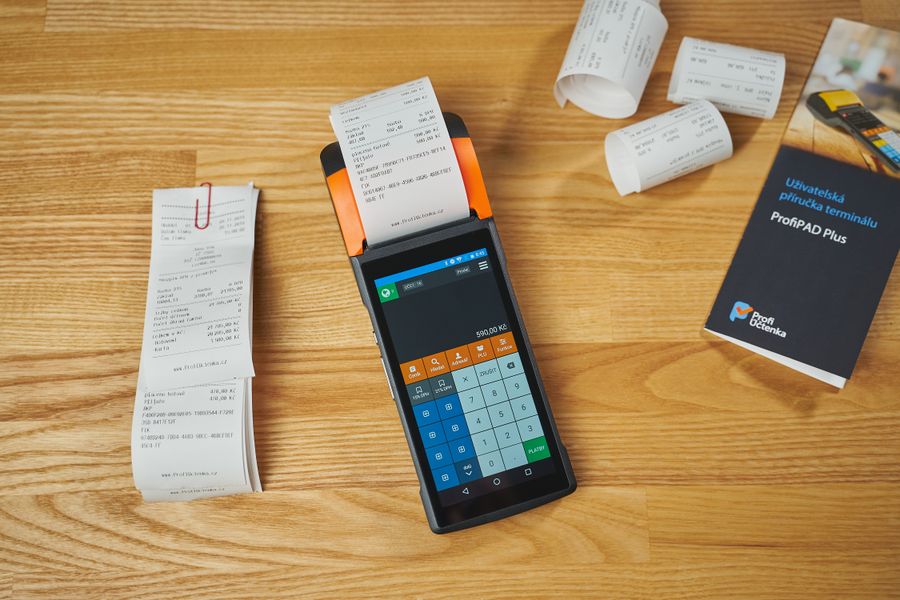
Manufacturing networks, electronics supply chains, and agricultural trading firms across Japan and South Korea regularly settle PHP-denominated invoices with Philippine vendors and logistics partners. PESONet and InstaPay rails support higher-value B2B payments where wallet balances may be insufficient. TransFi connects APAC corporate treasuries to Philippine domestic settlement with audit trails, invoice reference tagging, and transparent FX. Suppliers in Cebu, Davao, and Metro Manila receive funds through familiar domestic channels, reducing payment delays in cross-Pacific goods shipment. TransFi provides webhook confirmation, reference tagging, and reconciliation-friendly status events so finance teams can automate exception handling and month-end close without manual bank portal checks.
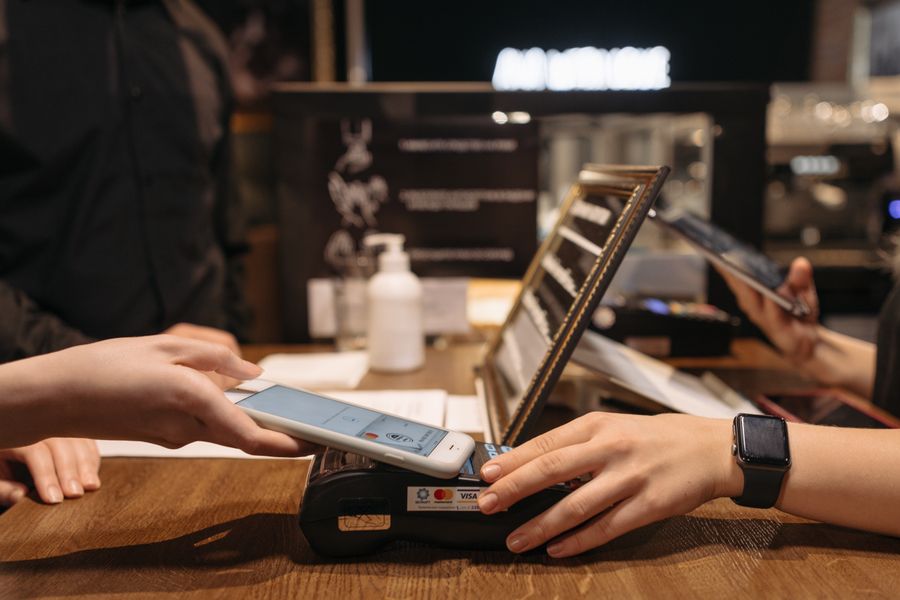
APAC-headquartered creator platforms, gaming publishers, and e-commerce marketplaces owe earnings to Filipino influencers, streamers, and sellers who expect timely PHP payout. Delayed or failed transfers drive platform churn and reputational damage across the region's vibrant creator economy. TransFi routes platform-initiated sends from APAC origins to Philippine GCash, Maya, and bank accounts through a unified API, supporting micro-payouts at scale and larger periodic settlements with embedded compliance verification. TransFi provides webhook confirmation, reference tagging, and reconciliation-friendly status events so finance teams can automate exception handling and month-end close without manual bank portal checks.
Whatever your use case, TransFi moves money from Asia Pacific to Philippines.
Choose your specific origin country - 14 supported markets across Asia Pacific link to dedicated Asia Pacific → Philippines corridor pages.
 ChinaPhilippines
 Indonesia
 India
India Thailand
 Bangladesh
 Malaysia
 Vietnam
 Cambodia
 AustraliaSingapore
 Japan
Japan Pakistan
 Hong Kong
Pick your origin country and start sending from Asia Pacific to Philippines.
Find the right route for your cross-border payments - search by country or region and open the corridor that matches your needs.
Send North America to Indonesia corridor
Send Latin America to Indonesia corridor
Send Africa to Indonesia corridor
Send Asia Pacific to Indonesia corridor
Send Europe to Indonesia corridor
Send Middle East & North Africa to Indonesia corridor
Send North America to Philippines corridor
Send Latin America to Philippines corridor
Send Africa to Philippines corridor
$5B+
transaction volume projected
2M+
users served globally
100+
enterprise clients
Global compliance coverage | Enterprise-grade infrastructure | 24/7 support
Can APAC senders deliver funds to GCash and Maya wallets in the Philippines?
Yes. TransFi supports payout to GCash and Maya e-wallets from Asia Pacific origin markets, in addition to InstaPay-aligned bank transfers and PESONet for eligible B2B transactions. Wallet delivery suits recipients who manage daily spending through mobile apps across the Philippines' wallet-dominated payment culture. Senders specify beneficiary wallet details during API onboarding with embedded verification meeting cross-border compliance requirements. Implementation typically follows TransFi's standard sandbox-to-production path with KYB onboarding, method enablement, and test transactions before live traffic.
How does TransFi handle high-volume OFW remittance from Singapore and Hong Kong?
TransFi's API infrastructure supports platform-scale remittance volume with idempotent transaction design, real-time webhooks, and dedicated capacity during peak holiday periods. Remittance operators white-label TransFi payout rails behind their own branding while compliance screening and proof-of-payment generation run automatically. Competitive FX and per-transaction fee structures make the platform economical for high-volume, low-value APAC-to-Philippines corridors. Implementation typically follows TransFi's standard sandbox-to-production path with KYB onboarding, method enablement, and test transactions before live traffic.
What currencies can APAC businesses send from when paying Philippine recipients?
TransFi supports cross-border sends originating from SGD, AUD, JPY, KRW, HKD, and other major APAC currencies with conversion into PHP for local delivery. Businesses operating multi-currency treasuries across Singapore, Tokyo, and Sydney hubs can fund sends from their preferred operating currency. FX rates and fees are disclosed at initiation so finance teams across APAC time zones can budget accurately. Implementation typically follows TransFi's standard sandbox-to-production path with KYB onboarding, method enablement, and test transactions before live traffic.
How fast are APAC-origin transfers delivered to Philippine recipients?
GCash and Maya wallet credits plus InstaPay bank transfers typically confirm within minutes once cross-border compliance checks complete—substantially faster than traditional correspondent wire chains. TransFi provides real-time status updates via API webhooks for proactive sender and recipient notification. Exact timelines vary by amount, beneficiary verification tier, and selected last-mile method. Implementation typically follows TransFi's standard sandbox-to-production path with KYB onboarding, method enablement, and test transactions before live traffic.
Fast, transparent, and built for modern cross-border payments from Asia Pacific to Philippines
 Global Payments. Delivered Locally - Send, receive, and convert funds across 100+ countries.
 UAE
UAE USA
USA Poland
 Canada
 BahamasIndonesiaAustralia
 Copyright ©2026 TransFi | All Rights Reserved


