









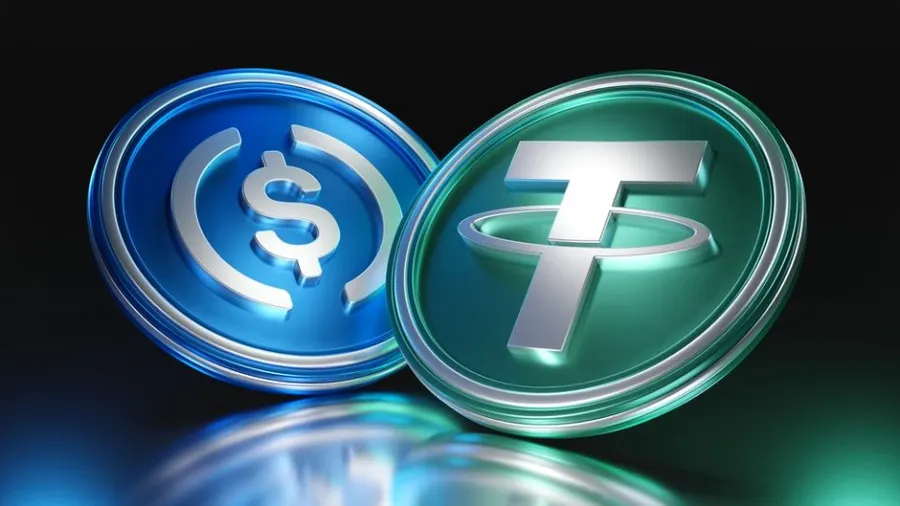
USDT to VND is one of the most common crypto-to-fiat trades in Vietnam. As stablecoins are becoming popular and the digital payment infrastructure in Vietnam evolves, consumers may easily change from crypto to local currency within minutes through P2P marketplaces, bank transfers and QR-based payment methods.
If you are a trader, freelancer, business owner, tourist or anyone who gets international payments, it is crucial to know the safest and most efficient way to convert Vietnamese Dong from USDT. With the development of sophisticated payment rails such as VietQR, the Napas 24/7 network and regulated crypto marketplaces, the settlement time has been reduced, and the accuracy of transactions has been enhanced dramatically.
In this article, we guide you through the process and recent considerations on USDT to VND rates, weigh in on different conversion techniques, security best practices and how businesses can make cross-border stablecoin payments easier with TransFi.
Understanding USDT to Vietnamese Dong Conversion
USDT (Tether) is the world's largest USD-backed stablecoin. Since its value closely tracks the US dollar, it has become the preferred cryptocurrency for payments, remittances, and trading.
Converting USDT into Vietnamese Dong generally involves exchanging stablecoins for local currency through a trusted platform or payment provider.
The three most common methods include:
- P2P marketplaces
- Crypto payment infrastructure providers
- Direct crypto payment applications supporting VietQR
Unlike traditional international wire transfers that may take several days, stablecoin transactions settle within minutes. The final payout to a Vietnamese bank account is then processed through domestic payment rails.
This combination makes stablecoins particularly useful for:
- Cross-border businesses
- Freelancers
- Remote employees
- Digital nomads
- International traders
USDT to VND P2P: How the Process Works
One of the most popular methods is USDT to VND P2P trading.
A Peer-to-Peer marketplace connects crypto buyers and sellers directly while using an escrow mechanism to protect both parties.
A typical transaction works as follows:
- Seller places a sell order.
- USDT is locked in escrow.
- Buyer transfers VND through a Vietnamese bank.
- Seller verifies funds.
- Platform releases USDT.
Escrow is one of the biggest reasons why P2P marketplaces remain popular. Neither party can access the assets until payment verification is complete.
Many users also choose express matching services that automatically connect them with highly rated merchants having thousands of successful trades.
USDT VND Binance P2P vs Enterprise Payment Infrastructure
Many retail users begin with USDT VND Binance P2P because of its liquidity and merchant network.
However, the needs of businesses are very different.
P2P trading works well for occasional users.
Businesses handling payroll, vendor payouts, marketplace settlements, or global collections typically require a more scalable infrastructure.
Understanding the USDT to VND Rate
The USDT to VND rate depends on several market variables.
These include:
- Global USDT demand
- USD exchange rate
- Local liquidity
- Payment method
- Merchant competition
- Trading volume
Unlike official forex markets, P2P pricing is driven by supply and demand.
For example, during periods of increased crypto activity, merchants may offer a premium above the interbank exchange rate.
Professional traders usually compare multiple offers before accepting a transaction.
They also monitor:
- Merchant completion rate
- Number of completed trades
- Settlement speed
- Price spread
- Payment limits
These indicators often matter more than simply choosing the highest exchange rate.
Real-world Example
Suppose you want to convert 100 USDT to VND.
If the prevailing market rate is approximately 26,300 VND per USDT, you would receive around 2,630,000 VND, subject to platform fees and merchant pricing.
Likewise:
- 50 USDT to VND ≈ 1,315,000 VND
- 1500 USDT to VND ≈ 39,450,000 VND
These figures are only examples. Always verify the live USDT/VND chart before initiating a trade.
How VietQR Makes Bank Transfers Faster
VietQR has transformed digital payments in Vietnam.
Instead of manually typing lengthy bank account numbers, users simply scan a standardized QR code.
Benefits include:
- Faster payments
- Fewer typing errors
- Instant payment confirmation
- Better user experience
- Reduced operational mistakes
For crypto users, VietQR significantly shortens the payment process.
Once the buyer scans the QR code, the bank transfer is initiated instantly through the Napas payment network.
This minimizes settlement delays while improving payment accuracy.
How to Pay via VietQR?
If you're wondering How to pay via VietQR?, the process is straightforward.
- Open your Vietnamese banking app.
- Tap Scan QR.
- Scan the merchant's VietQR code.
- Verify payment details.
- Confirm the transaction.
- Funds are transferred instantly.
The seller can immediately verify receipt before releasing USDT.
Can I Send Money to a Vietnamese Bank Account?
Yes.
International users can send money to a Vietnamese bank account through:
- Stablecoin payment providers
- Cross-border payment platforms
- P2P exchanges
- Licensed remittance providers
Businesses increasingly prefer regulated stablecoin infrastructure because it reduces settlement time while lowering foreign exchange costs.
Why Security Matters During P2P Transactions
Fraud prevention should always be your highest priority.
Never release USDT until:
- Funds appear in your banking app
- Balance is updated
- Bank confirms successful receipt
Do not rely solely on:
- Screenshots
- Chat messages
- Payment receipts
AI-generated fake payment confirmations have become increasingly sophisticated.
Always verify directly with your bank.
Additional best practices include:
- Trade only with verified merchants.
- Complete KYC verification.
- Avoid off-platform communication.
- Use escrow-protected transactions.
- Enable two-factor authentication.
Why Businesses Choose TransFi for Stablecoin Payments
Retail P2P platforms are designed for individual traders.
Modern businesses require infrastructure that supports global collections, payouts, checkout experiences, and stablecoin settlements at scale.
This is where TransFi stands apart.
TransFi provides a Single API that enables enterprises to integrate stablecoin payments, local payment methods, fiat settlements, and cross-border transactions into one unified platform.
Its infrastructure supports:
- Stablecoin-powered global payments
- Local bank payouts
- Checkout solutions
- Ramp services
- Multi-country payment coverage
- Enterprise-grade compliance
- API-first integration
- Faster settlement for global businesses
Instead of manually executing multiple P2P trades, businesses can automate collections and payouts through one scalable infrastructure.
Looking to simplify cross-border stablecoin payments?
Explore how TransFi's Single API can help businesses manage global collections, payouts, and local settlements more efficiently.
Conclusion
With the advancements in P2P trading, VietQR, and modern banking infrastructure in Vietnam, it has become much easier to convert USDT to Vietnamese Dong. For the individual, the P2P markets are still an acceptable option for the occasional trade.
For organisations that process a huge volume of transactions, manual trading is not scalable, and they should consider enterprise-grade payment infrastructure that provides automation, compliance and scalability.
Cross-border finance is being revolutionised with stablecoins and solutions such as TransFi bridging payments on the blockchain to local banking institutions, enabling the transfer of money around the world faster, more securely and more easily integrated.
Are you building a financial platform, a worldwide marketplace or an international business? TransFi gives you a secure and scalable infrastructure for making payments powered by stablecoins.
FAQs:
1. What is the safest way to convert USDT to Vietnamese Dong?
The safest option is through a trusted platform that has escrow protection, identification verification and sellers who have been verified.
2. What affects the USDT to VND rate?
Pricing is based on market demand, liquidity, competition between exchanges, payment methods and volume of trading.
3. How do I check the latest USDT/VND chart?
Most crypto exchanges and market-tracking services provide real-time charts of recent exchange activity.
4. Can I use QR Pay in Vietnam?
Yes. VietQR is available to all banks, merchants and businesses in the country.
5. How to transfer USDT to an Indian bank account?
Generally, consumers exchange their USDT for INR through regulated exchanges or licensed payment providers that offer bank withdrawal services.
6. Is VietQR available for tourists?
For tourists, access is generally required through supported payment providers or local banking integrations. Some crypto payment apps also allow merchants to accept payments via QR code without a typical Vietnamese bank account.




.avif)
.avif)



.avif)