Swap/Convert C-Chain to Bitcoin live rate, zero spread, on-chain proof
Exchange C-Chain (AVAX) to Bitcoin (BTC) using the live CoinGecko mid-market rate with zero spread applied, on-chain settlement in real quick time, and a verifiable transaction hash on every swap/convert. Built for businesses that move real volume and need the rate they see to actually be the rate they get.
C-Chain to Bitcoin swap/convert rate
Track the live C-Chain to Bitcoin rate and see exactly how much Bitcoin your swap would return right now, at zero spread, no margin applied
Track C-Chain to Bitcoin swap/convert rate trends
Review C-Chain/ Bitcoin historical performance, monitor volatility, and identify the right moment to execute your swap/convert.
POPULAR TOKEN PAIRINGS
The most traded token-to-token swap/convert pairs on TransFi, each with live rates, zero spread, and on-chain settlement, are available now.












A better way to swap/convert crypto globally.
Live swap/convert rate
visibility
Every swap/convert quote is updated every 30 seconds, displayed before you confirm, and locked for 30 seconds at execution. You're trading on the market rate, not a rate with a margin built into it.
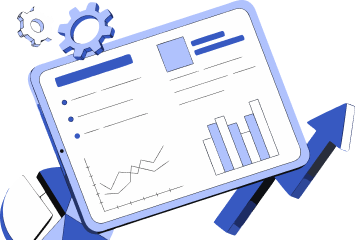
Transparent fees, without hidden spreads
The swap/convert fee is a stated network fee, visible in the widget before you confirm. No spread is applied to the exchange rate. No surprise deduction on settlement. The total cost of your swap/convert is itemised before a single instruction is sent on-chain.
Built for treasury, operations and global businesses

Stablecoin-powered infrastructure
Swap/convert transactions on stablecoin rails, USDT on Tron and USDC on Solana, settle in under 60 seconds. No batch processing windows, no overnight clearing. Your swap/convert lands on-chain, and the new token is available for immediate use.
Start swapping C-Chain from anywhere
Fast, transparent, and built for modern cross-border payments
Frequently Asked Questions
What is C-Chain (AVAX) and how does it work?
C-Chain (AVAX) is a blockchain-based digital asset that enables secure, transparent, and borderless value transfers. Transactions are recorded on a decentralized ledger and can be verified publicly.
How can I send C-Chain (AVAX) securely?
To send C-Chain (AVAX), use a compatible wallet and ensure that the recipient address and blockchain network are correct before confirming the transaction.
How long does a C-Chain (AVAX) transaction take?
Transaction times for C-Chain (AVAX) vary depending on network congestion, blockchain confirmations, and the fee selected. Most transfers are completed within seconds to a few minutes.
What fees are involved when transferring C-Chain (AVAX)?
Transfer fees depend on the blockchain network being used. Network congestion and transaction complexity can affect the final fee amount.
Is C-Chain (AVAX) secure for payments and transfers?
C-Chain (AVAX) transactions are secured using blockchain cryptography and consensus mechanisms, making them highly resistant to unauthorized modifications.
Can businesses accept payments in C-Chain (AVAX)?
Yes. Businesses can accept C-Chain (AVAX) directly or use payment infrastructure that automatically converts received funds into local fiat currency.
Which wallets support C-Chain (AVAX)?
C-Chain (AVAX) is supported by many custodial and non-custodial wallets. Wallet compatibility depends on the blockchain network on which the asset is available.
Can I track a C-Chain (AVAX) transaction?
Yes. Every C-Chain (AVAX) transaction can be tracked using a blockchain explorer, allowing users to verify transaction status, confirmations, and transfer details.
How do I convert C-Chain (AVAX) to Bitcoin (BTC)?
C-Chain (AVAX) can be converted to Bitcoin (BTC) through supported exchanges, liquidity providers, or integrated swap services using real-time market rates.
What determines the exchange rate between C-Chain (AVAX) and Bitcoin (BTC)?
The conversion rate between C-Chain (AVAX) and Bitcoin (BTC) is determined by market demand, liquidity, trading volume, and pricing across cryptocurrency exchanges.
How long does a C-Chain (AVAX) to Bitcoin (BTC) conversion take?
Most C-Chain (AVAX) to Bitcoin (BTC) conversions are completed within minutes, although processing times may vary depending on blockchain confirmation requirements and liquidity availability.
Can I convert C-Chain (AVAX) to Bitcoin (BTC) without using a traditional bank?
Yes. Crypto-to-crypto conversions between C-Chain (AVAX) and Bitcoin (BTC) can be completed entirely on blockchain-based infrastructure without requiring a traditional banking intermediary.