
Settlement speed
Most transfers to Philippines settle in minutes to hours via local rails — not days through correspondent banks.

Move money to Philippines from Mexico with transparent FX, real-time tracking, and better delivery visibility for every Philippine peso transfer.
Fast SettlementBuilt for faster delivery into Philippines
Transparent PricingKnow fees and FX rates before you send
Global ReachSend to 70+ countries with local payout rails
 MXN
MXN PHP
PHPSee exact delivery times before you confirm — settlement in minutes to hours across 70+ countries.
Track expected arrival windows on 250+ local payment methods with no batch-only surprises.
Live FX rates and fees displayed upfront on every transfer across 40+ currencies — no hidden spreads.
Compare total cost across 250+ payment methods before you send.
End-to-end tracking on every transfer with real-time status from send through settlement across 70+ countries.
Dashboard alerts, payment references, and audit-ready records for treasury and operations teams.
Accelerate cross-border movement with stablecoin rails across 70+ countries and 40+ currencies.
Faster settlement without sacrificing compliance screening on every transaction.
Most transfers to Philippines settle in minutes to hours via local rails — not days through correspondent banks.
See exchange rates and fees upfront before you confirm a transfer on the Mexico to Philippines corridor.
Real-time status updates from funding in Mexico through delivery in Philippines.
Deliver to the wallets, QR systems, and bank accounts people in Philippines use daily — not generic wire-only endpoints.
KYC, KYB, and beneficiary verification aligned with regulations on both sides of the corridor.
Fund transfers with familiar local payment methods in Mexico.
Enter the amount in Mexican peso
Add your recipient details in Philippines
Review the exchange rate, fees, & estimated delivery time
Send and track the payment in real time
GCash is the Philippines' dominant e-wallet, used by tens of millions of Filipinos for P2P transfers, bills, merchant QR payments, online checkout, and government benefit receipt. With approximately 89% share of the e-money market, it is the most important method for cross-border localization. Users fund wallets via bank linking, remittance credits, and retail cash-in partners. TransFi's GCash integration enables international merchants to collect from and pay out to GCash users via unified API workflows.
Minutes
Maya (formerly PayMaya) is a major digital wallet and financial services app offering payments, card products, and merchant acceptance across the Philippines. It serves consumers and SMEs who diversify spending across multiple fintech apps alongside GCash. Maya supports QR payments, online checkout, and bank-linked transfers, making it a valuable secondary wallet for merchants seeking maximum reachable audience. TransFi connects Maya for collections and payouts, improving authorization coverage for wallet-first Filipino shoppers and beneficiaries.
Minutes
InstaPay is the Philippines' real-time low-value payment rail operated under BSP oversight, enabling instant transfers up to defined limits between participating banks and e-money issuers. It powers quick account-to-account payments for e-commerce settlement, payroll, and everyday B2B transactions. InstaPay is the preferred bank rail when buyers or senders want direct debits rather than wallet balances. TransFi leverages InstaPay-aligned capabilities for fast domestic legs of cross-border receive and send flows.
Minutes
PESONet is the Philippines' batch electronic fund transfer system for higher-value and corporate payments, processing transactions across participating financial institutions on scheduled clearing cycles. It supports B2B invoice settlement, supplier payments, and treasury operations where InstaPay limits or timing may not fit. For cross-border businesses paying Philippine vendors or collecting from enterprise clients, PESONet provides a trusted bank-channel alternative. TransFi incorporates PESONet where applicable within broader payout and collection orchestration.
Same business day
Over-the-counter cash payment networks through convenience stores, payment centers, and partner retail locations remain vital in the Philippines for consumers without bank accounts or who prefer cash-based checkout for online orders. Buyers receive a reference code and pay in person; merchants receive confirmation once payment posts. OTC extends e-commerce reach beyond wallet-only segments. TransFi supports OTC collection pathways so international sellers can convert cash-preferring Filipino buyers without local retail infrastructure.
Minutes to hours
Send with the payment methods people use across Philippines.
This Mexico to Philippines route combines TransFi's cross-border infrastructure with deep local payment coverage in Philippines. Whether you are disbursing payroll, paying suppliers, or sending to family, you get transparent FX, real-time tracking, and payout rails built for how people actually move money on this corridor.
Explore live rates and coverage for the Mexico → Philippines corridor.

Sending money to the Philippines is among the highest-volume cross-border payment corridors globally, driven by $38 billion in annual remittances, a thriving outsourcing and freelance economy, and growing B2B trade across ASEAN and Western markets. With 115 million residents and a digitally savvy population anchored by GCash's 89% e-money market share, recipients expect funds quickly—in pesos, credited to wallets or bank accounts they use for daily life—not trapped in slow correspondent banking chains.
Legacy remittance and wire providers often charge opaque FX spreads, offer limited payout method choice, and provide poor tracking visibility for senders and recipients alike. Filipino beneficiaries increasingly refuse to wait three to five business days when InstaPay can move bank funds in minutes and GCash credits appear almost instantly after a successful cross-border leg. Employers paying BPO teams, platforms disbursing creator earnings, and families supporting relatives in provincial cities all share the same expectation: reliable last-mile delivery on familiar rails.
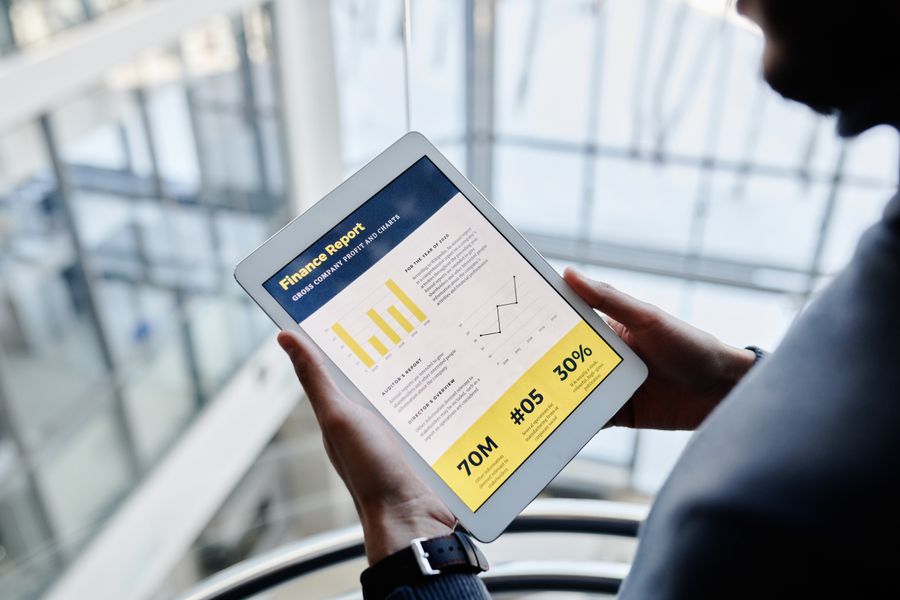
TransFi modernizes outbound payments to the Philippines by combining cross-border compliance and treasury settlement with localized delivery through GCash, Maya, InstaPay, PESONet, and aligned bank channels. Senders integrate via API with webhook-driven status updates, embedded beneficiary verification, and configurable funding from major global currencies or stablecoin treasuries. One integration covers the Philippines alongside other TransFi priority markets, eliminating fragmented vendor relationships across remittance, wallet, and FX layers.

Whether you operate a diaspora remittance app, a global payroll platform, or a marketplace paying Filipino sellers, TransFi aligns send workflows with Philippine payment reality. Faster delivery, transparent pricing, and compliance-ready infrastructure translate directly into customer retention, seller satisfaction, and operational efficiency at scale.
Sending money to the Philippines is among the highest-volume cross-border payment corridors globally, driven by $38 billion in annual remittances, a thriving outsourcing and freelance economy, and growing B2B trade across ASEAN and Western markets. With 115 million residents and a digitally savvy population anchored by GCash's 89% e-money market share, recipients expect funds quickly—in pesos, credited to wallets or bank accounts they use for daily life—not trapped in slow correspondent banking chains.
Understand what drives this corridor — then send from Mexico to Philippines in minutes.
Three things that define this route
Sending money to the Philippines is among the highest-volume cross-border payment corridors globally, driven by $38 billion in annual remittances, a thriving outsourcing and freelance economy, and growing B2B trade across ASEAN and Western markets. With 115 million residents and a digitally savvy population anchored by GCash's 89% e-money market share, recipients expect funds quickly—in pesos, credited to wallets or bank accounts they use for daily life—not trapped in slow correspondent banking chains.
The Philippines receives cross-border inflows from multiple structural sources: overseas Filipino workers across the Gulf, North America, and Asia; international employers of remote talent; global marketplaces; insurance and benefits disbursements; and B2B trade settlement with suppliers and distributors. Domestic payment behavior concentrates around GCash for everyday wallet activity, with InstaPay and PESONet handling bank-channel transfers for payroll, invoices, and larger transactions. Senders who connect to these rails deliver superior recipient experiences.
TransFi modernizes outbound payments to the Philippines by combining cross-border compliance and treasury settlement with localized delivery through GCash, Maya, InstaPay, PESONet, and aligned bank channels. Senders integrate via API with webhook-driven status updates, embedded beneficiary verification, and configurable funding from major global currencies or stablecoin treasuries. One integration covers the Philippines alongside other TransFi priority markets, eliminating fragmented vendor relationships across remittance, wallet, and FX layers.
$5B+
transaction volume projected
2M+
users served globally
100+
enterprise clients
Global compliance coverage | Enterprise-grade infrastructure | 24/7 support
Millions of overseas Filipino workers send regular support to families in Manila, Cebu, provincial towns, and rural barangays. Recipients rely on GCash for groceries, utilities, school fees, and medical expenses—often within hours of receiving funds. TransFi-powered remittance flows convert origin currency and credit GCash or bank accounts via InstaPay with transparent fees and real-time tracking senders can share. Faster, cheaper delivery compared to legacy chains increases send frequency and customer loyalty for remittance apps and money transfer operators.
Global companies employ large Filipino workforces across customer experience, software development, finance, and creative services. Payroll cycles demand reliable PHP disbursement to GCash, Maya, or bank accounts on fixed schedules with per-employee traceability. TransFi automates bulk sends with API integration into HRIS platforms, beneficiary KYC, and webhook confirmations for finance reconciliation. Replacing manual wire batches reduces errors and late payments that damage employer brand in the Philippines' competitive talent market.
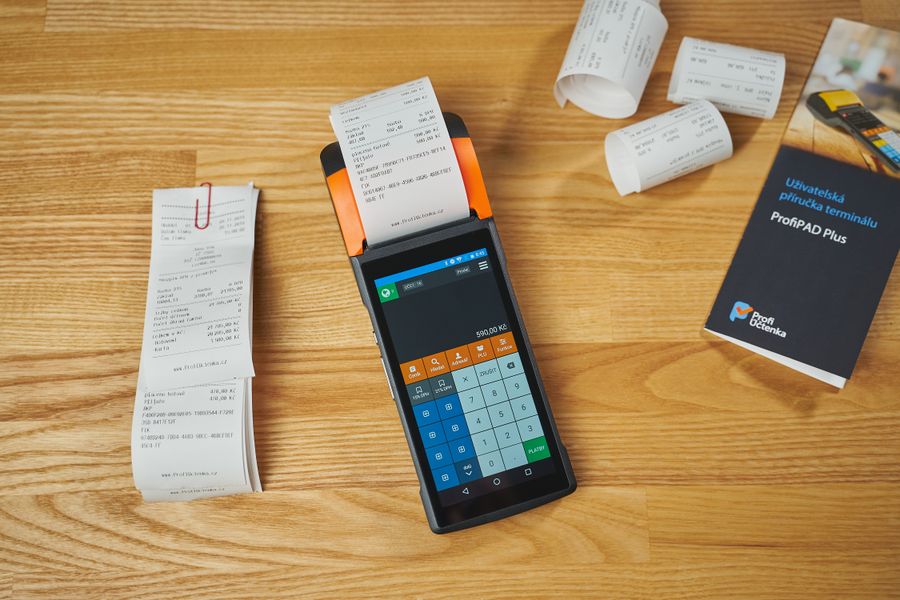
International freelance platforms, delivery networks, and creator economies owe earnings to Filipino participants who expect wallet or instant bank payout—not delayed international transfers with unfavorable FX. TransFi routes platform-initiated sends to GCash and InstaPay endpoints at scale, supporting micro-transactions and aggregated weekly settlements. Embedded verification satisfies compliance without forcing sellers through disconnected onboarding experiences. Reliable payout cadence reduces seller churn and strengthens platform liquidity in the Philippines, where timely GCash crediting is often the difference between retaining top freelancers and losing them to domestic competitors.
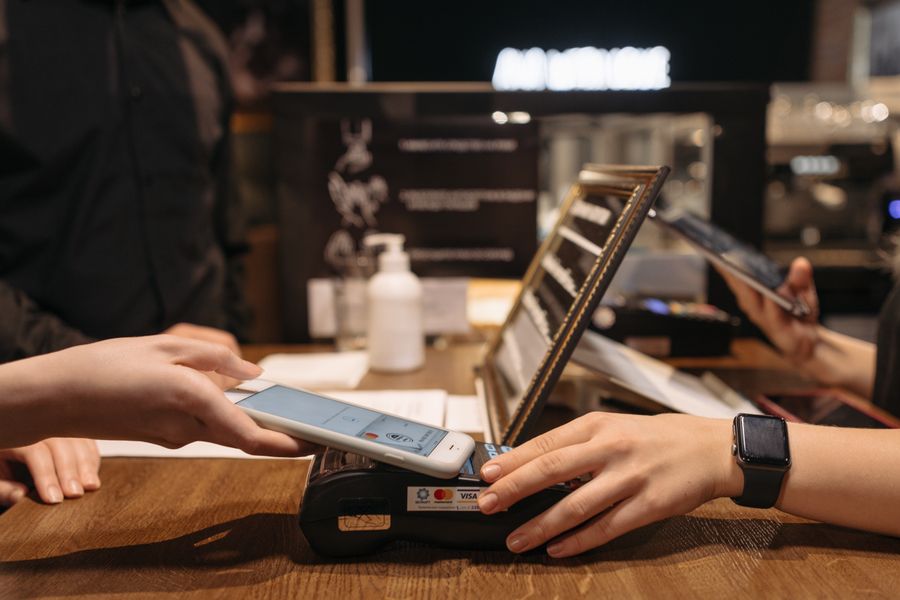
Insurers, NGOs, employers, and government-linked programs disburse claims, aid, bonuses, and stipends to Filipino beneficiaries across dispersed geography. GCash enables reach to recipients without traditional bank accounts, while InstaPay and PESONet support higher-value corporate payments. TransFi orchestrates cross-border funding with localized delivery, audit trails, and batch processing suitable for regulated disbursement use cases. Organizations improve beneficiary satisfaction when funds arrive quickly on rails recipients already use for daily financial management.
From payouts and collections to checkout, treasury, and stablecoin rails — TransFi powers it all through a single integration.

Direct deposit to local bank accounts where available

Wallet delivery on supported routes

Faster payout rails where available in Philippines

Country-specific payout options when supported
Deliver and collect via GCash, GrabPay, QR PH, and Philippine bank transfers — the methods people in Philippines already use every day.
Most transfers involving Philippines settle within minutes via instant payment networks and mobile wallets.
See the exact exchange rate and fees before you send — no hidden spreads on Philippines payment routes.
Whether paying vendors, contractors, or family, TransFi routes PHP through compliant local infrastructure in Philippines.
Find the right route for your cross-border payments — search by country or region and open the corridor that matches your needs.
Can I send money directly to a recipient's GCash wallet?
Yes. TransFi supports payout to GCash wallets, the preferred destination for a large majority of Filipino recipients given GCash's approximately 89% e-money market share. Senders provide beneficiary wallet details during API onboarding or transaction creation, with verification steps embedded for compliance. GCash payout suits remittances, payroll, marketplace earnings, and promotional disbursements where recipients expect instant mobile access to funds without visiting a bank branch.
How do InstaPay and PESONet affect send speed to Philippine bank accounts?
InstaPay delivers real-time low-value transfers to participating banks and e-money institutions, typically within minutes—ideal for payroll, remittance bank payout, and consumer-scale sends. PESONet processes batch transfers suited to higher-value B2B payments on scheduled clearing cycles. TransFi selects the appropriate rail based on amount, beneficiary bank, and use case. Senders receive webhook status updates throughout the cross-border and domestic legs for operational visibility.
What does it cost to send money to the Philippines through TransFi?
Pricing combines disclosed fees and FX conversion margins applied at transaction initiation, varying by send amount, payout method, funding currency, and client tier. TransFi emphasizes transparent all-in pricing so remittance operators and enterprises can compare against legacy wire and competitor products accurately. Volume-based pricing suits platforms with high-throughput outbound flows to the Philippines. Contact TransFi or review API documentation for rate cards aligned to your use case.
What verification is required for sending to Philippine beneficiaries?
TransFi implements sender KYC or KYB alongside beneficiary verification aligned with cross-border AML regulations and BSP expectations. Requirements scale with transaction size and sender type, potentially including identity documents, proof of address, source-of-funds declarations, and business incorporation records. Verification embeds via API within your product flow rather than redirecting users to external portals. This approach supports regulated remittance, payroll, and platform payout use cases at scale.
What is the fastest way to send remittances to the Philippines?
GCash wallet payout and InstaPay bank transfer are typically the fastest last-mile options, confirming within minutes once the cross-border leg clears. TransFi prioritises these rails for remittance operators serving the $38 billion annual inbound remittance market, with real-time status webhooks for senders and recipients.
Can I send PHP payouts to multiple Philippine beneficiaries in one batch?
Yes. TransFi batch APIs process thousands of concurrent payouts to GCash wallets, Maya accounts, and participating banks. Each transfer includes individual validation, FX disclosure, and status tracking — ideal for gig platforms, affiliate programmes, and corporate disbursement to Philippine partners.
Fast, transparent, and built for modern cross-border payments to Philippines
 Global Payments. Delivered Locally — Send, receive, and convert funds across 100+ countries.
 UAE
UAE USA
USA Poland
 Canada
 Bahamas
 Indonesia
 Australia
 Copyright ©2026 TransFi | All Rights Reserved