

Settlement speed
Most transfers to Philippines settle in minutes to hours via local rails - not days through correspondent banks.

Accept payments in Philippine peso from global customers, partners, and platforms with full visibility and faster settlement designed for Philippines powered by TransFi.
Fast SettlementBuilt for faster delivery into Philippines
Transparent PricingKnow fees and FX rates before you receive
Global ReachReceive from 70+ countries with local collection rails - GCash, GrabPay, QR PH and 1+
 AUD
AUD PHP
PHPReceive in Philippines from Australia with payout timing shown before you collect on supported rails.
Most supported routes settle within minutes to hours via local rails and stablecoin infrastructure.
Live FX and fees on every Australia → Philippines route - no hidden spreads or surprise deductions.
Know the final amount, fees, and FX rate before funds leave Australia or arrive in Philippines.
Track every collection into Philippines from Australia with full status visibility from initiation to local payout.
Corridor-level status updates from initiation through local payout in Philippines.
Speed up Australia → Philippines settlement with stablecoin infrastructure bridging both markets.
Combine local payment rails in Australia with faster settlement into Philippines payout networks.
Most transfers to Philippines settle in minutes to hours via local rails - not days through correspondent banks.
See live AUD to PHP exchange rates and fees upfront before you confirm your transfer.
Real-time status updates from funding in Australia through delivery in Philippines.
Collect through localized payment rails in Philippines, with settlement routed back to your Australia treasury.
KYC, KYB, and beneficiary verification aligned with regulations on both sides of the corridor.
Fund collections from payers in Australia using familiar local payment methods.
Collect payments across Australia and Philippines with full visibility.
Share your Philippine peso collection details with payers in Australia
Payers in Australia send funds via GCash, GrabPay, QR PH and 1+ and other local payment rails
Review the live AUD-to-PHP rate, fees, and estimated settlement - typically minutes to hours for this corridor
Receive funds in Philippines via GCash, GrabPay, QR PH and 1+ and track settlement in real time
Start receiving from Australia in just a few steps.
GCash is the Philippines' dominant e-wallet, used by tens of millions of Filipinos for P2P transfers, bills, merchant QR payments, online checkout, and government benefit receipt. With approximately 89% share of the e-money market, it is the most important method for cross-border localization. Users fund wallets via bank linking, remittance credits, and retail cash-in partners. TransFi's GCash integration enables international merchants to collect from and pay out to GCash users via unified API workflows.
Minutes
Maya (formerly PayMaya) is a major digital wallet and financial services app offering payments, card products, and merchant acceptance across the Philippines. It serves consumers and SMEs who diversify spending across multiple fintech apps alongside GCash. Maya supports QR payments, online checkout, and bank-linked transfers, making it a valuable secondary wallet for merchants seeking maximum reachable audience. TransFi connects Maya for collections and payouts, improving authorization coverage for wallet-first Filipino shoppers and beneficiaries.
Minutes
InstaPay is the Philippines' real-time low-value payment rail operated under BSP oversight, enabling instant transfers up to defined limits between participating banks and e-money issuers. It powers quick account-to-account payments for e-commerce settlement, payroll, and everyday B2B transactions. InstaPay is the preferred bank rail when buyers or senders want direct debits rather than wallet balances. TransFi leverages InstaPay-aligned capabilities for fast domestic legs of cross-border receive and send flows.
Minutes
PESONet is the Philippines' batch electronic fund transfer system for higher-value and corporate payments, processing transactions across participating financial institutions on scheduled clearing cycles. It supports B2B invoice settlement, supplier payments, and treasury operations where InstaPay limits or timing may not fit. For cross-border businesses paying Philippine vendors or collecting from enterprise clients, PESONet provides a trusted bank-channel alternative. TransFi incorporates PESONet where applicable within broader payout and collection orchestration.
Same business day
Over-the-counter cash payment networks through convenience stores, payment centers, and partner retail locations remain vital in the Philippines for consumers without bank accounts or who prefer cash-based checkout for online orders. Buyers receive a reference code and pay in person; merchants receive confirmation once payment posts. OTC extends e-commerce reach beyond wallet-only segments. TransFi supports OTC collection pathways so international sellers can convert cash-preferring Filipino buyers without local retail infrastructure.
Minutes to hours
Get paid with the payment methods customers prefer in Philippines.
This Australia to Philippines route combines TransFi's cross-border infrastructure with local collection coverage via GCash, GrabPay, QR PH and 1+. Whether you're collecting from clients, invoicing international partners, or receiving platform payouts, funds typically settle in Philippines in Philippine peso within minutes to hours.
See how you can collect payments in Philippines from Australia, including GCash, GrabPay, QR PH and 1+.

Philippine businesses and merchants increasingly collect revenue from payers from international markets—Singaporean enterprises, Australian consumers, Japanese importers, Korean technology partners, and regional platform buyers who expect frictionless payment while Filipino operators receive settled funds in PHP. With 115 million consumers, $24 billion e-commerce GMV, and GCash-dominated wallet behavior, the Philippines generates substantial payment intent from both domestic users and international cross-border customers that international merchants often fail to capture due to card-only checkout limitations.
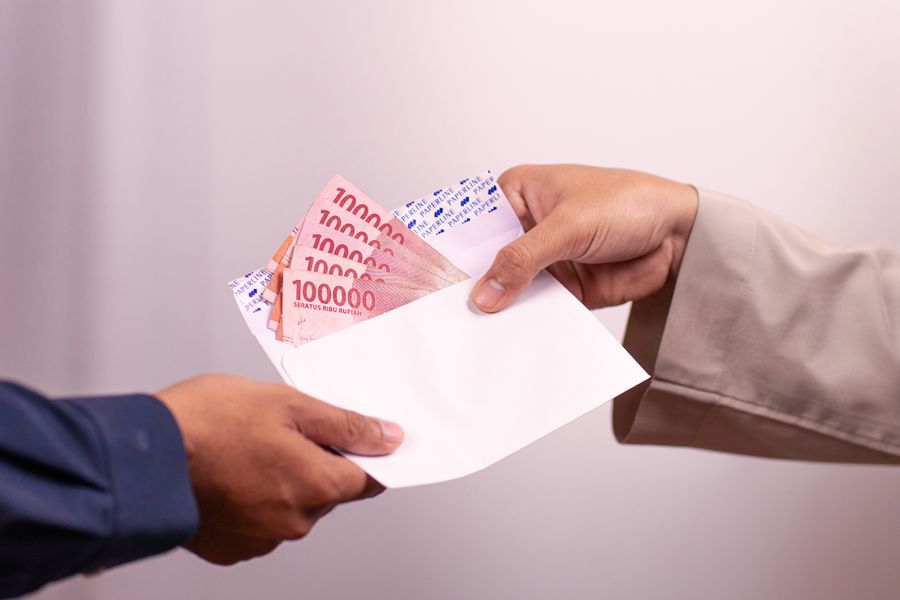
The revenue cost of payment misalignment is substantial for Philippine sellers targeting international markets. Filipino shoppers accustomed to GCash one-tap payment on local marketplaces abandon foreign sites requiring international cards, failed 3DS authentication, or unclear USD pricing without peso equivalents. Philippine B2B exporters invoicing Singaporean or Australian clients struggle when those clients expect payment rails unfamiliar to Manila finance teams. TransFi bridges this gap by enabling localized Philippine checkout—GCash, Maya, InstaPay, and PESONet—for domestic collections and structured receive flows for international payers.
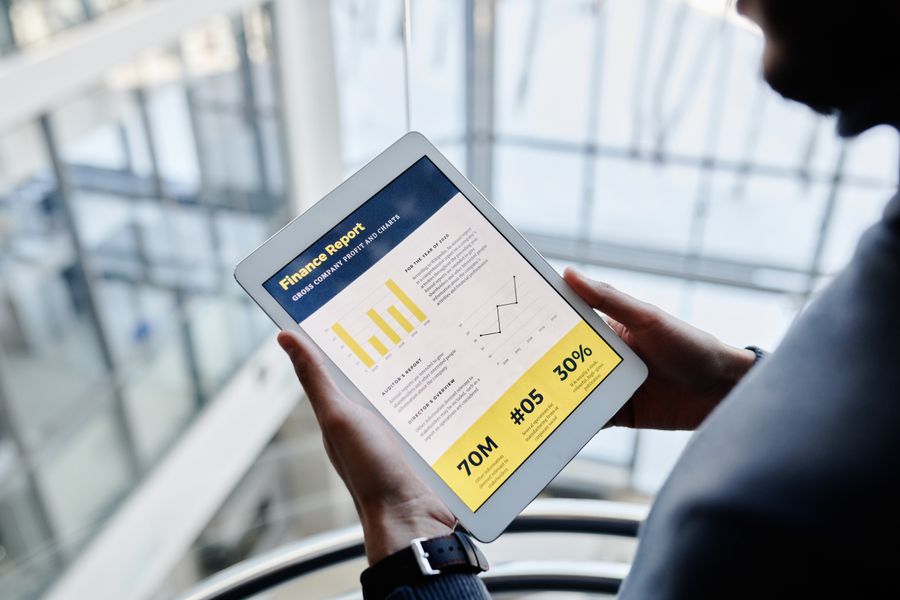
TransFi allows Philippine businesses to present wallet and instant transfer payment options through a single integration layer, with compliance, FX, and reconciliation handled within the same orchestration infrastructure used for outbound sends. Whether invoicing international trading partners from Cebu, selling SaaS subscriptions to Singapore startups from Manila, or collecting marketplace fees from regional participants, TransFi turns Philippines receive capability into a scalable revenue channel optimized for international payer behavior.

For Philippine companies scaling from international markets, adding receive infrastructure through TransFi avoids rebuilding payment stacks per corridor. One API pattern covers GCash and Maya collections alongside multi-country send capabilities, simplifying engineering and finance operations from international markets.

Product and finance leaders should treat localized receive capability as a growth lever, not a compliance checkbox. When checkout mirrors domestic wallet and bank-transfer habits, authorization rates rise, support tickets fall, and marketing teams can confidently scale acquisition in the destination country. TransFi pairs localized collection with settlement flexibility—holding balances locally where useful, or converting on a schedule that matches treasury policy—so receive flows strengthen unit economics rather than adding reconciliation burden.
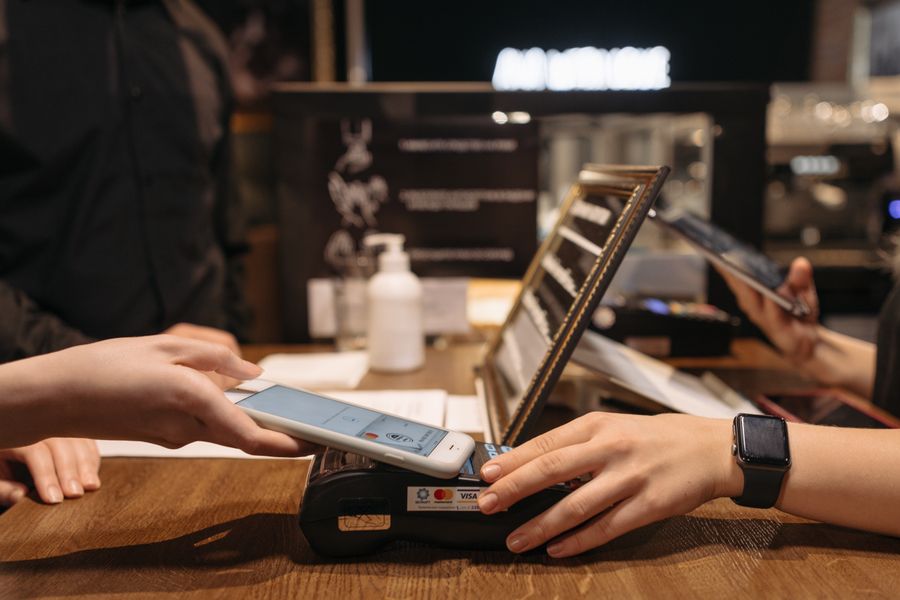
Customer experience teams also gain leverage when payment confirmation is instant and branded consistently across web, mobile, and invoice channels. Reducing payment friction at the moment of highest intent—checkout, subscription renewal, or invoice settlement—directly improves conversion and cash-flow predictability. TransFi's receive flows are designed to surface clear payer messaging, reliable success states, and finance-grade reconciliation data in the same integration.
Join businesses receiving payments in Philippines from Australia with TransFi.
Businesses receiving on the Australia to Philippines corridor collect via GCash, GrabPay, QR PH and 1+ and other trusted local payment methods. international payers transact through international bank transfers, card networks, and digital wallets, while Philippine merchants must collect and reconcile in PHP through GCash, Maya, InstaPay, and PESONet. Cross-border receive behavior follows domestic habits: international buyers hesitate when checkout feels foreign to international buyers, and Filipino sellers lose conversions when they cannot present GCash and Maya options that domestic customers trust implicitly. International merchants who localize capture disproportionate share in education, software, gaming, and cross-border e-commerce categories.
Understand what drives this corridor - then start receiving in Philippines from Australia.
Three things that define this route
The revenue cost of payment misalignment is substantial for Philippine sellers targeting international markets. Filipino shoppers accustomed to GCash one-tap payment on local marketplaces abandon foreign sites requiring international cards, failed 3DS authentication, or unclear USD pricing without peso equivalents. Philippine B2B exporters invoicing Singaporean or Australian clients struggle when those clients expect payment rails unfamiliar to Manila finance teams. TransFi bridges this gap by enabling localized Philippine checkout—GCash, Maya, InstaPay, and PESONet—for domestic collections and structured receive flows for international payers.
international payers transact through international bank transfers, card networks, and digital wallets, while Philippine merchants must collect and reconcile in PHP through GCash, Maya, InstaPay, and PESONet. Cross-border receive behavior follows domestic habits: international buyers hesitate when checkout feels foreign to international buyers, and Filipino sellers lose conversions when they cannot present GCash and Maya options that domestic customers trust implicitly. International merchants who localize capture disproportionate share in education, software, gaming, and cross-border e-commerce categories.
TransFi allows Philippine businesses to present wallet and instant transfer payment options through a single integration layer, with compliance, FX, and reconciliation handled within the same orchestration infrastructure used for outbound sends. Whether invoicing international trading partners from Cebu, selling SaaS subscriptions to Singapore startups from Manila, or collecting marketplace fees from regional participants, TransFi turns Philippines receive capability into a scalable revenue channel optimized for international payer behavior.
From payouts and collections to checkout, treasury, and stablecoin rails - TransFi powers it all through a single integration.
Filipino direct-to-consumer brands, fashion retailers, and specialty exporters marketing to US, European, and Middle Eastern customers need checkout presenting GCash and Maya for domestic buyers alongside structured cross-border receive for international international customers. TransFi enables PHP collection through localized Philippine methods while supporting settlement to merchant treasury in preferred currencies. Marketing spend on international acquisition converts more efficiently when Philippine storefronts present familiar wallet options, and cart abandonment drops when checkout mirrors domestic marketplace experiences. TransFi provides webhook confirmation, reference tagging, and reconciliation-friendly status events so finance teams can automate exception handling and month-end close without manual bank portal checks.
Business process outsourcing companies, customer service providers, and IT services firms across Metro Manila and Cebu billing US, European, and Middle Eastern enterprises benefit from receive flows supporting InstaPay and PESONet collections alongside structured cross-border payment requests. TransFi generates trackable payment instructions with status webhooks for accounts receivable automation. international clients appreciate payment paths aligned with their treasury practices while Philippine finance teams reconcile inbound transfers against invoice references. TransFi provides webhook confirmation, reference tagging, and reconciliation-friendly status events so finance teams can automate exception handling and month-end close without manual bank portal checks.
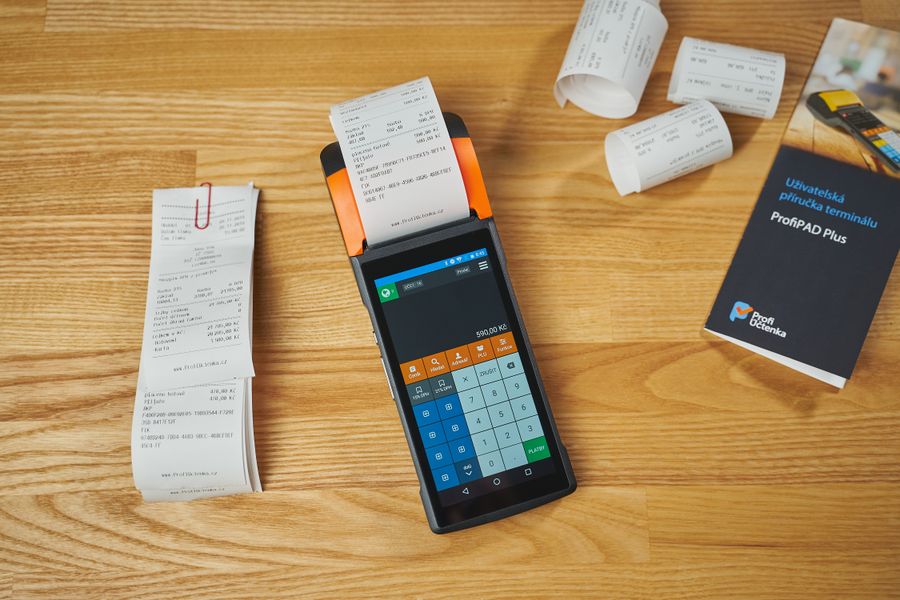
Manila-based software companies, mobile gaming publishers, and ed-tech platforms selling subscriptions to Singapore startups and regional consumers need recurring billing beyond international cards alone. GCash and Maya provide renewal paths for customers whose corporate or personal cards block recurring foreign charges. TransFi enables PHP-priced subscription collections with cross-border settlement, reducing involuntary churn and expanding addressable market share across international digital economy segments. TransFi provides webhook confirmation, reference tagging, and reconciliation-friendly status events so finance teams can automate exception handling and month-end close without manual bank portal checks.
Two-sided platforms facilitating trade between Filipino participants and international counterparts must collect fees, escrow, and transaction settlements efficiently. TransFi supports inbound collections from Philippine payers via GCash and Maya while enabling structured receive from international clients and subsequent treasury consolidation. Platform operators maintain a single integration for Philippines receive alongside multi-country capabilities, increasing trust when both marketplace sides transact through familiar payment methods. TransFi provides webhook confirmation, reference tagging, and reconciliation-friendly status events so finance teams can automate exception handling and month-end close without manual bank portal checks.
Whatever your use case, TransFi helps you collect payments in Philippines from Australia.

Receive directly to your local bank account where available

Collect into supported digital wallets in Philippines

Faster local payment rails where available in Philippines
Accept payments from Australia through familiar local rails.
Collect via GCash, GrabPay, QR PH, and Philippine bank transfers - the methods people in Philippines already use every day.
Most incoming payments involving Philippines settle within minutes via instant payment networks and mobile wallets.
See the exact exchange rate and fees before you receive - no hidden spreads on Philippines payment routes.
Whether collecting from clients, marketplaces, or partners, TransFi routes PHP through compliant local infrastructure in Philippines.
$5B+
transaction volume projected
2M+
users served globally
100+
enterprise clients
Global compliance coverage | Enterprise-grade infrastructure | 24/7 support
Find the right route for your cross-border payments - search by country or region and open the corridor that matches your needs.
Which Philippine payment methods should internationally-facing merchants enable?
Prioritize GCash and Maya for consumer checkout—the wallets dominating Philippine everyday spending with combined majority e-money market share. For B2B receive from international corporate clients, InstaPay and PESONet bank transfers typically perform best. TransFi lets Philippine merchants configure enabled methods through API based on customer segment, transaction value, and product type without separate integrations per rail. Implementation typically follows TransFi's standard sandbox-to-production path with KYB onboarding, method enablement, and test transactions before live traffic.
How does FX work when receiving PHP payments from international customers?
Customers typically pay in Philippine pesos through GCash, Maya, or bank transfer while TransFi applies agreed FX conversion for settlement to the merchant's designated currency. Cross-border international payments may involve multi-step conversion depending on payer location. Rates and fee structures are disclosed at configuration time so Philippine finance teams can model revenue accurately across monthly and quarterly reporting periods. Implementation typically follows TransFi's standard sandbox-to-production path with KYB onboarding, method enablement, and test transactions before live traffic.
Can Philippine businesses accept GCash from international customers in the Philippines?
Yes. TransFi enables Philippine merchants to collect via GCash, Maya, InstaPay, and PESONet—methods that international expatriates and visitors in the Philippines, as well as domestic Filipino customers, expect at checkout. For remote international payers invoiced outside the Philippines, TransFi supports structured cross-border payment requests with transparent settlement to Philippine merchant accounts. Implementation typically follows TransFi's standard sandbox-to-production path with KYB onboarding, method enablement, and test transactions before live traffic.
Is TransFi suitable for high-volume Philippine receive during holiday peaks?
Yes. TransFi's infrastructure supports platform-scale volume across Philippine e-commerce, SaaS, and marketplace receive flows. Elastic capacity handles seasonal campaign spikes including Christmas and OFW remittance-adjacent shopping periods when international traffic surges. Webhooks, idempotent API design, and reconciliation exports maintain operational visibility at enterprise throughput levels. Implementation typically follows TransFi's standard sandbox-to-production path with KYB onboarding, method enablement, and test transactions before live traffic.
Fast, transparent, and reliable cross-border collections in Philippines from Australia
 Global Payments. Delivered Locally - Send, receive, and convert funds across 100+ countries.
 UAE
UAE USA
USA Poland
 Canada
 Bahamas
 IndonesiaAustralia
 Copyright ©2026 TransFi | All Rights Reserved