Mulai gunakan produk apa pun dalam 5 menit

API TransFi

BizPay

BizPay Pro

Ramp

Checkout
Ramp
Checkout




Satu API.
Jangkauan Tanpa Batas.
Kelola transaksi global, pembayaran, penagihan, operasi perbendaharaan, dan aset digital melalui satu API yang berfokus pada pengembang, dibangun untuk kecepatan, skala, dan keandalan.
.png)
Percepat Pertumbuhan dengan Integrasi API yang Efisien

Daftar & Dapatkan Kredensial

Jelajahi Sumber Daya Pengembang

Bangun & Uji di Sandbox

Go Live dengan Aman
Dibuat untuk Pengembang. Dipercaya oleh Perusahaan.

.avif)
.avif)
.avif)
.avif)
.avif)
.avif)
.avif)
.avif)

.avif)

Dibuat untuk Pengembang
.png)
.avif)
.png)
.png)
.avif)
.png)

.avif)
Wujudkan Pergerakan Uang Global yang Mulus


Kirim uang ke 70+ negara dalam hitungan menit
.png)

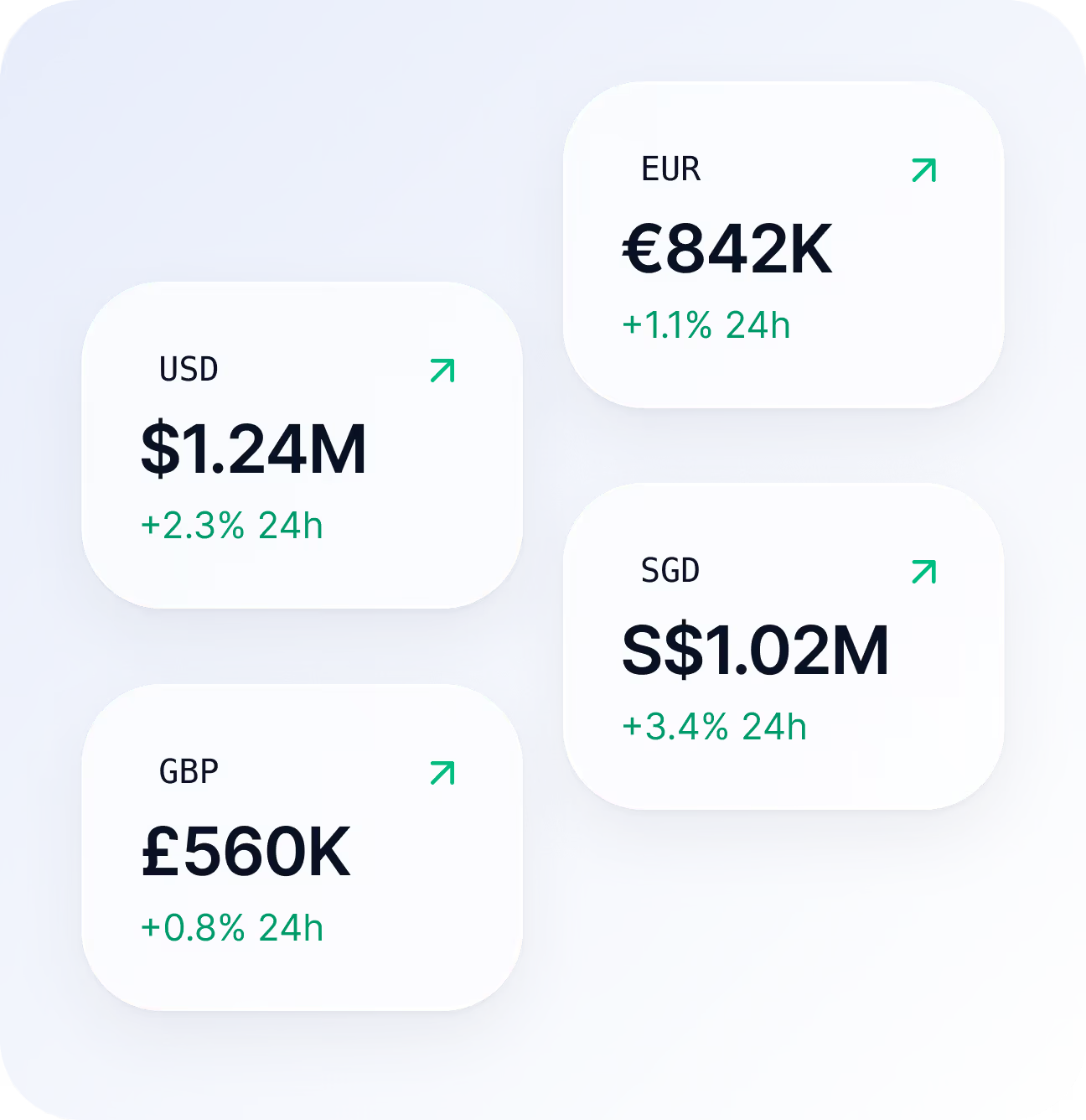
Perbendaharaan multi-mata uang, sepenuhnya dapat diprogram

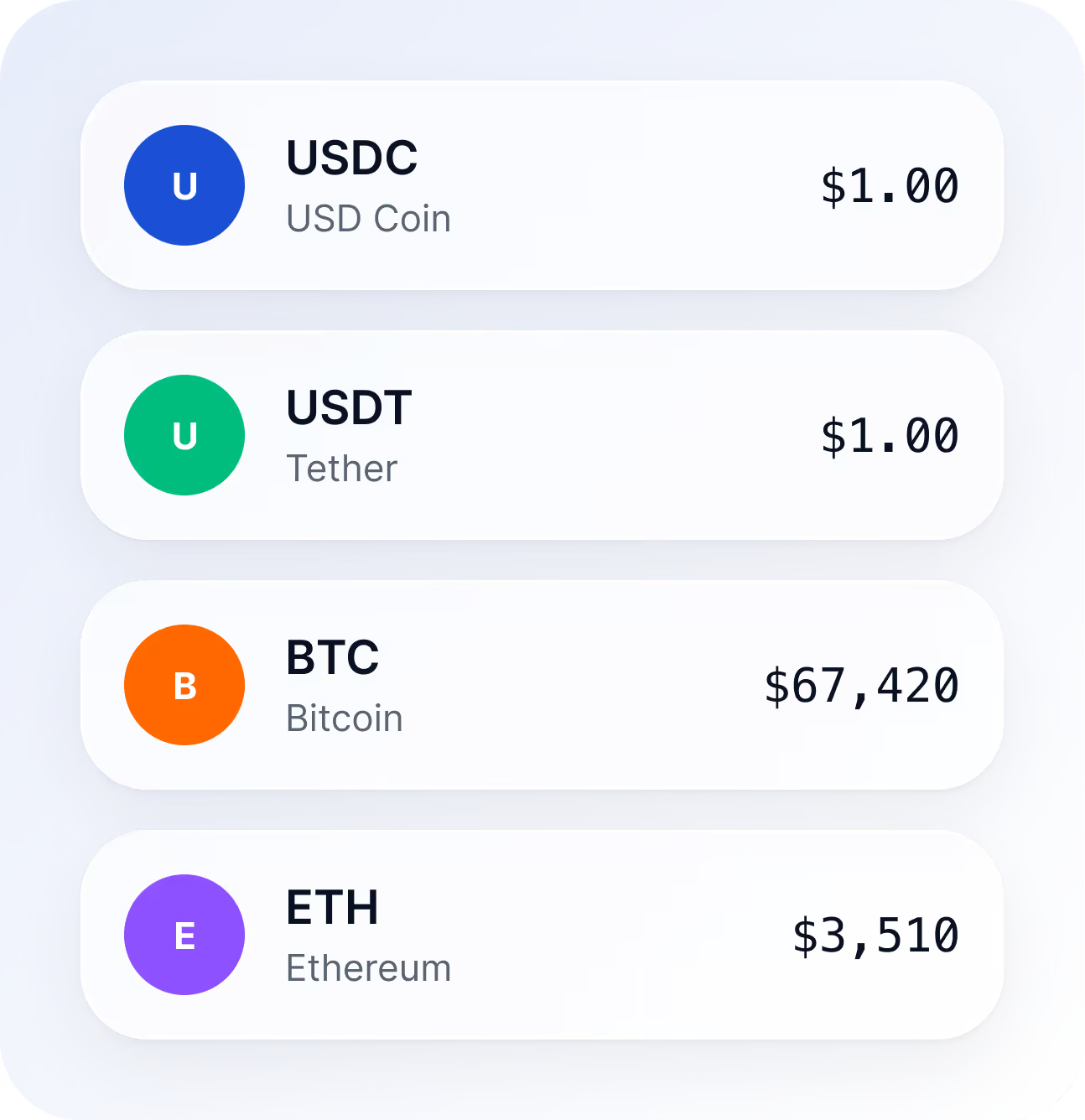
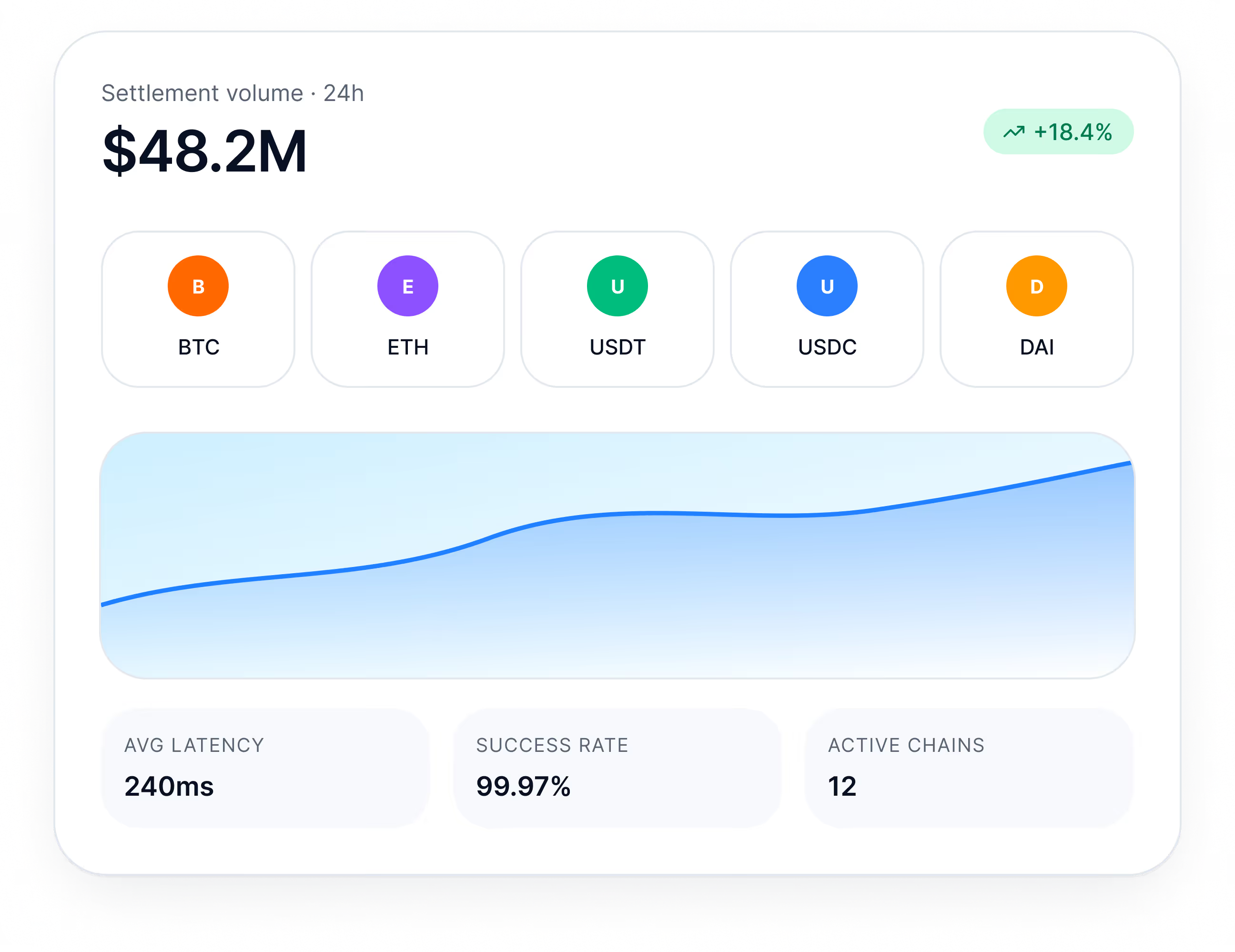
Stablecoin & kripto, siap untuk skala perusahaan
Rasakan perbedaannya


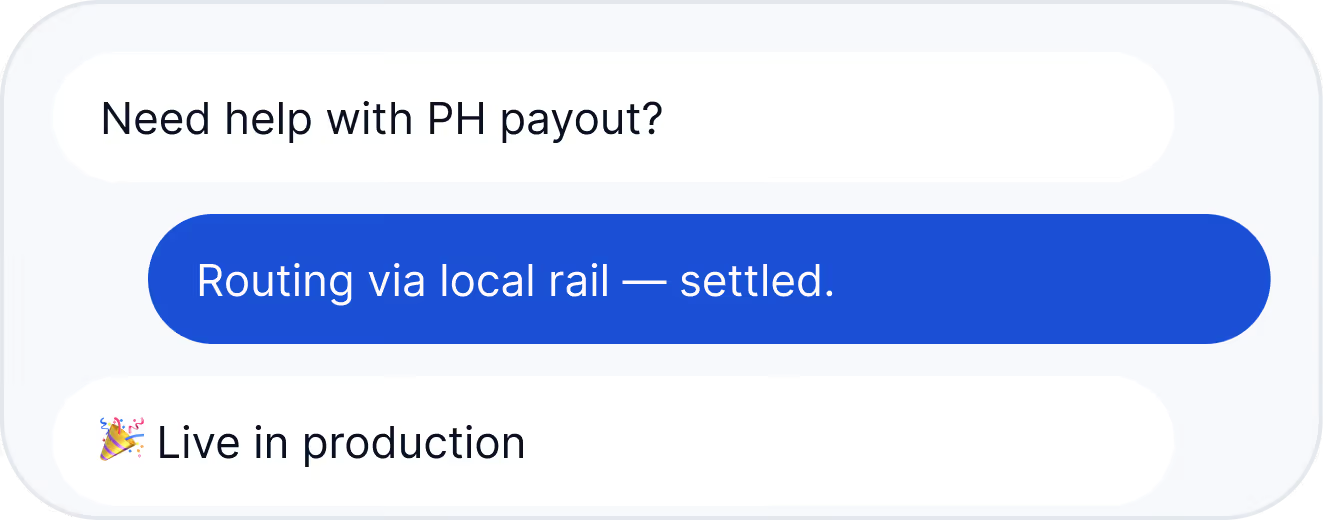

Infrastruktur tepercaya berskala global
0+
0+
0+
0+
Terima Pembayaran dalam Mata Uang Digital

Pembayaran Global

Perutean Pembayaran Berbasis AI
Keamanan & Kepatuhan
Manfaat Bekerja dengan TransFi
.avif)
What businesses say about us

Siap Membangun Infrastruktur Keuangan Global?
Luncurkan lebih cepat, skala secara global, dan sederhanakan keuangan lintas batas melalui satu API yang canggih.

Pertanyaan yang Sering Diajukan
API TransFi adalah rangkaian antarmuka pemrograman aplikasi canggih yang memungkinkan bisnis untuk menyematkan kapabilitas pembayaran global yang mulus ke dalam platform mereka sendiri. API ini menyediakan akses ke infrastruktur TransFi yang tangguh untuk pembayaran lintas batas, penagihan, serta layanan onramp dan offramp fiat-ke-kripto. Dirancang untuk kemudahan, keamanan, dan kepatuhan, API ini memungkinkan bisnis untuk mengirim uang secara internasional dengan mudah — mendukung berbagai metode pembayaran lokal, penyelesaian stablecoin, dan transaksi aset digital. Dengan mengintegrasikan API TransFi, perusahaan dapat menawarkan layanan keuangan yang cepat, berbiaya rendah, dan patuh aturan kepada pengguna mereka tanpa harus membangun jaringan pembayaran yang rumit dari nol.
API TransFi dirancang terutama untuk bisnis yang perlu mengelola pergerakan uang internasional atau menawarkan layanan terkait aset digital kepada pelanggan mereka. Ini mencakup platform fintech seperti dompet digital, penyedia layanan pembayaran, marketplace e-commerce, platform iGaming, solusi penggajian untuk tenaga kerja global, dan platform perdagangan aset digital. Bisnis apa pun yang membutuhkan cara cepat, patuh, dan hemat biaya untuk mengirim, menerima, atau mengonversi dana lintas negara dapat memperoleh manfaat dari integrasi API TransFi. Untuk menggunakan API ini, bisnis harus menyelesaikan proses onboarding yang mudah, termasuk verifikasi perusahaan (KYB) dan pemeriksaan kepatuhan untuk memastikan penggunaan yang aman dan bertanggung jawab.
API TransFi bekerja dengan menyediakan antarmuka langsung yang dapat diprogram antara sistem bisnis dan jaringan pembayaran global TransFi. Setelah terintegrasi, bisnis dapat membuat pesanan pembayaran, memulai penagihan, memverifikasi identitas pelanggan melalui proses KYC/KYB, dan memfasilitasi konversi antara mata uang fiat dan mata uang kripto secara waktu nyata. API menangani kompleksitas perutean transaksi, pemeriksaan kepatuhan, konversi mata uang, dan proses penyelesaian di balik layar. Bisnis dapat memantau transaksi melalui pembaruan status waktu nyata dan notifikasi via webhook, mengelola alur kerja secara efisien, dan memastikan pengalaman pengguna yang aman. Sepanjang prosesnya, TransFi memastikan kepatuhan terhadap persyaratan regulasi dan menerapkan kontrol risiko otomatis, sehingga bisnis dapat fokus pada pertumbuhan tanpa perlu mengkhawatirkan hambatan operasional atau hukum.
Memulai dengan TransFi sangatlah mudah. Untuk mulai menggunakan API kami, Anda perlu mendaftar akun bisnis dan menyelesaikan proses onboarding. Ini mencakup pengiriman detail perusahaan dasar, informasi regulasi, dan menjalani verifikasi KYC/KYB. Setelah disetujui, Anda akan mendapatkan akses ke portal pengembang, kunci API, dan sandbox integrasi kami. Tim onboarding kami akan memandu Anda melalui setiap langkah, memastikan pengalaman integrasi yang lancar dan patuh terhadap aturan.
Untuk menyiapkan API Pembayaran TransFi, ikuti langkah-langkah berikut:
Langkah 1: Daftar dan dapatkan kunci API Anda.
Buat akun untuk mengakses kredensial API unik Anda, termasuk kunci aman yang diperlukan untuk mengautentikasi permintaan Anda.
Langkah 2: Pelajari Dokumentasi
Pelajari dokumentasi API yang komprehensif dengan contoh kode, tutorial, dan kasus penggunaan untuk memandu integrasi Anda.
Langkah 3: Siapkan Autentikasi
Terapkan metode autentikasi seperti kunci API atau OAuth untuk membangun hubungan yang aman dan terverifikasi antara sistem Anda dan sistem kami.
Langkah 4: Bangun dan Uji
Gunakan lingkungan pengujian untuk menyimulasikan transaksi nyata dan memvalidasi pengaturan Anda tanpa memengaruhi operasional langsung.
Langkah 5: Mulai Beroperasi
Setelah pengujian berhasil, pindah ke lingkungan langsung dan mulai jalankan transaksi nyata secara aman dan efisien.
Langkah 6: Pantau dan Optimalkan
Gunakan dasbor, log, dan alat pelaporan untuk memantau kinerja API dan mengoptimalkan alur kerja Anda demi efisiensi maksimal.
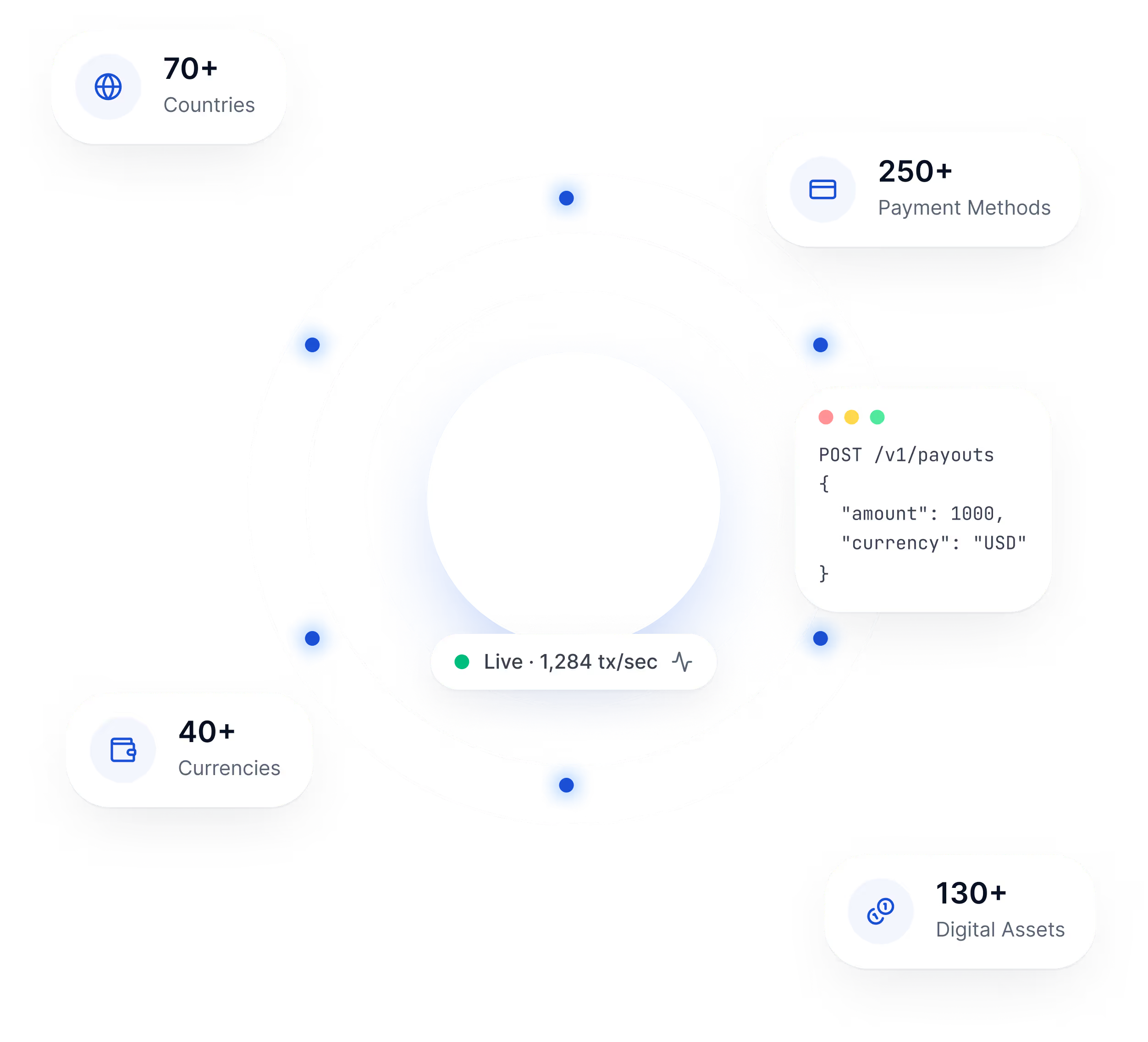
API ini mendukung pembayaran di 70+ negara dan 80+ mata uang fiat, serta stablecoin utama seperti USDC, USDT, dan DAI. Jangkauannya mencakup Asia, Eropa, Afrika, Amerika Latin, dan Amerika Utara, dengan menawarkan integrasi metode pembayaran lokal yang mendalam dan disesuaikan untuk setiap pasar.
Ya, TransFi menawarkan lingkungan sandbox tempat Anda dapat menyimulasikan transaksi, menguji alur KYC/KYB, dan mengintegrasikan endpoint tanpa menggunakan dana sungguhan. Hal ini memungkinkan pengembang untuk memvalidasi integrasi mereka secara menyeluruh sebelum beralih ke produksi.
API TransFi saat ini mendukung:
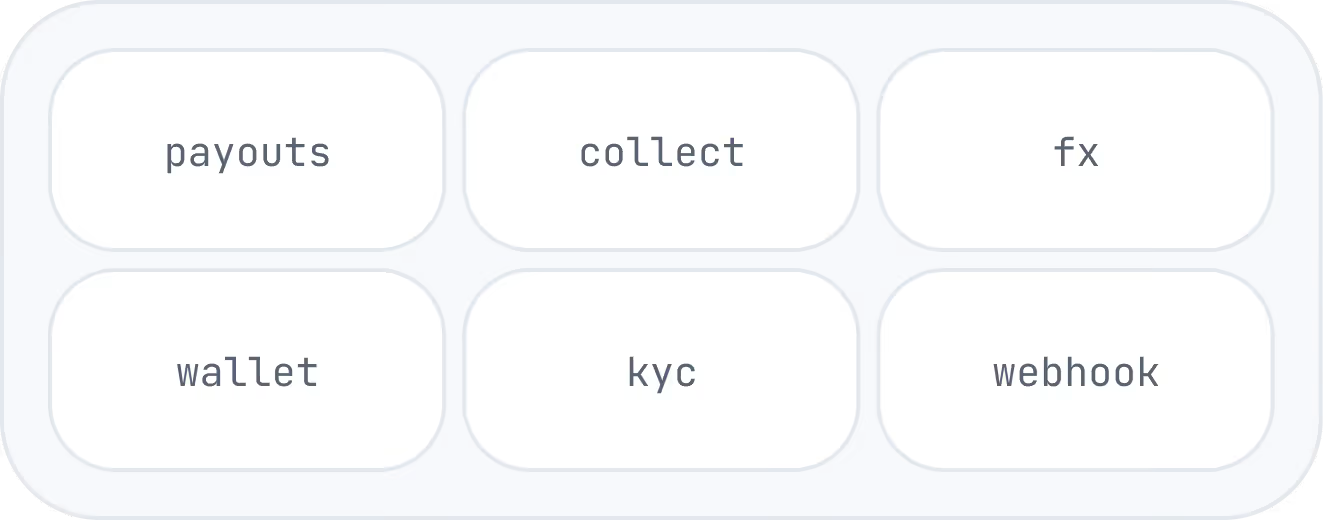
Payouts: Kirim dana dalam mata uang fiat atau stablecoin ke individu atau bisnis secara global melalui 250+ metode pembayaran lokal.
Collections: Terima pembayaran dari pelanggan di 100+ negara dengan penyelesaian instan dalam stablecoin atau fiat.
Ramp: Izinkan pengguna Anda untuk membeli atau menjual aset digital menggunakan metode pembayaran dan rekening bank lokal mereka, dengan jangkauan global.
Keamanan adalah prioritas utama di TransFi. Semua komunikasi API dienkripsi melalui HTTPS, dan akses diamankan menggunakan kunci API serta token akses berbasis OAuth2. Izin berbasis peran, log audit, dan kebijakan rotasi kunci yang aman diterapkan. TransFi sepenuhnya mematuhi regulasi KYC/AML dan undang-undang privasi data internasional seperti ISO 27001, PCI DSS, & SOC2 TYPE2.
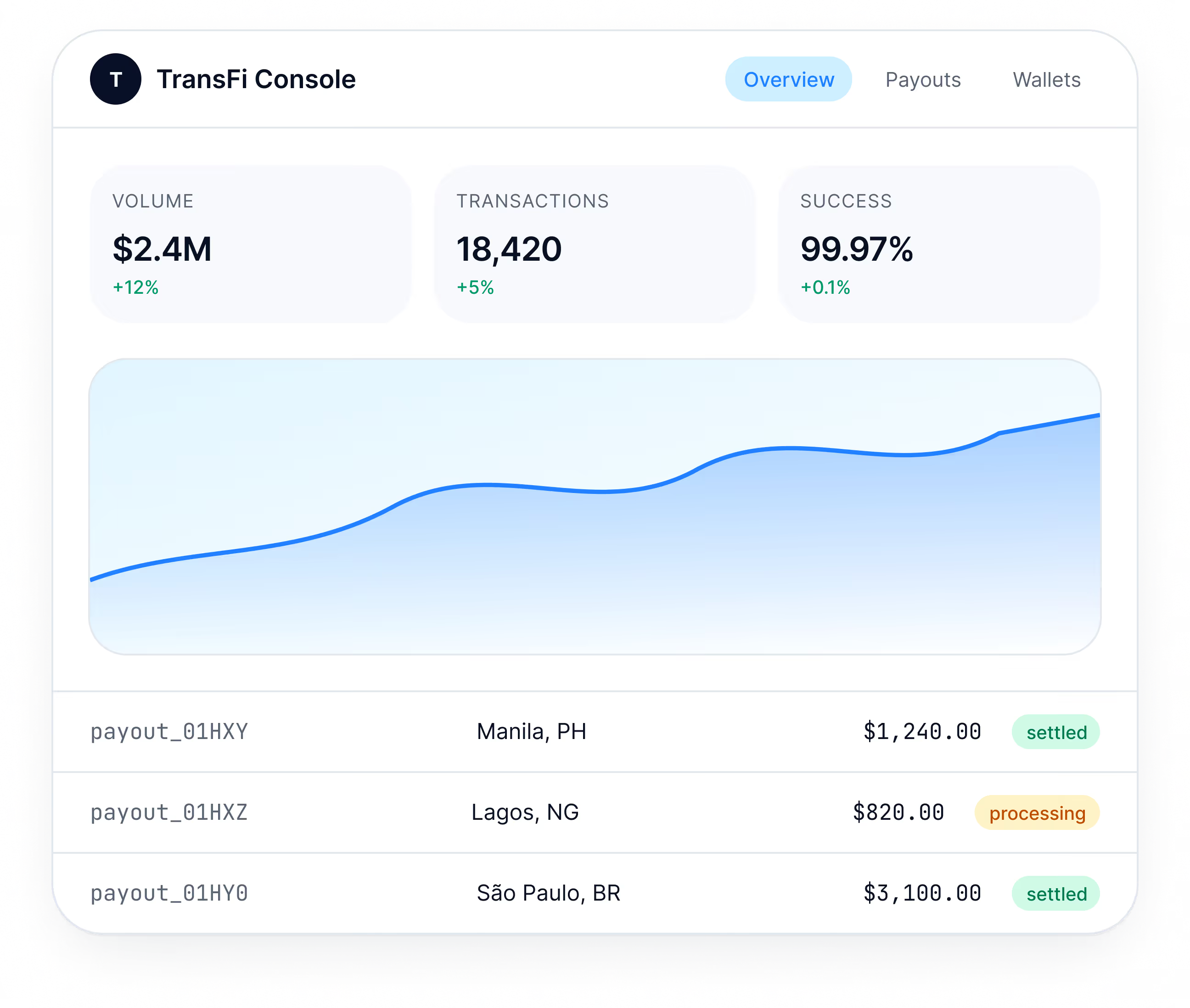
Ya. Setiap mitra yang terintegrasi dengan API mendapatkan akses ke dasbor aman dengan pelacakan transaksi waktu nyata (pembaruan status, percobaan ulang pembayaran, webhook), laporan rekonsiliasi (dapat diekspor ke CSV, PDF), manajemen pengguna dan peran, pemantauan dompet dan saldo, serta notifikasi dan peringatan untuk transaksi yang gagal atau tertunda.
Untuk menggunakan lingkungan produksi, bisnis harus menyelesaikan verifikasi KYB (Know Your Business), dan pengguna akhir mungkin perlu menyelesaikan KYC tergantung pada kasus penggunaan dan yurisdiksinya. TransFi menangani proses onboarding sesuai dengan kerangka kerja regulasi lokal dan internasional.
TransFi runs every transaction through AI-powered compliance screening (sanctions, PEP, and risk monitoring) to protect both parties. If a payment is flagged, it's held for review rather than blocked outright — you'll get a status update and expected resolution timeframe through your dashboard or account manager. Most reviews clear within 24 hours, and our support team is available 24/7 to help resolve any delay


.avif)
.avif)



.avif)

Iris Bay, Office 2105–14, Business Bay, Dubai, UEA
100 S Ashley Drive, Suite 600, Tampa, FL 33602, AS
MAXSERVICE24 SPÓŁKA sp. z o.o
325 Front Street West lantai 2, Toronto, Ontario M5V2Y1
201 Church Street, Sandyport, West Bay Street - 3406, Nassau, Bahama
ALAMANDA TOWER, LANTAI 2, UNIT H1, JL. TB SIMATUPANG KAV 23-24,
DESA/KELURAHAN CILANDAK BARAT, KEC. CILANDAK, KOTA ADM. JAKARTA SELATAN, PROVINSI DKI JAKARTA
SE 2 L 3 13-15 Wentworth Ave Sydney NSW 2000