










Luxury stores today offer more than just premium goods; they now offer high-end experiences from start to finish, including payment alternatives. Payment infrastructure has gone from being a backend utility to a strategic differentiator as global wealth expands and cross-border buying becomes increasingly popular.
It's apparent what the demands are, payments from very wealthy people in Europe to Gen Z purchasers in Asia who want to be like them must be rapid, safe, flexible, and personalised for each person. In this way, contemporary international payment methods and organisations like Global Payments and emerging fintech enterprises are very crucial.
The Development of Luxury Retailing
The luxury market around the world continues to perform well. The industry considers that:
The market was worth $390 billion in 2024, predicted to rise at a compound annual growth rate (CAGR) of roughly 6.8% to reach $579 billion by 2030.
More places have experienced growth. The Asia-Pacific region, especially China and India, is developing the fastest. But North America and Western Europe are still in charge.
Younger people are shifting how people buy luxury products from having them to experiencing them. This change has a direct impact on how payments are made, making them more digital-first, faster, and adaptable.
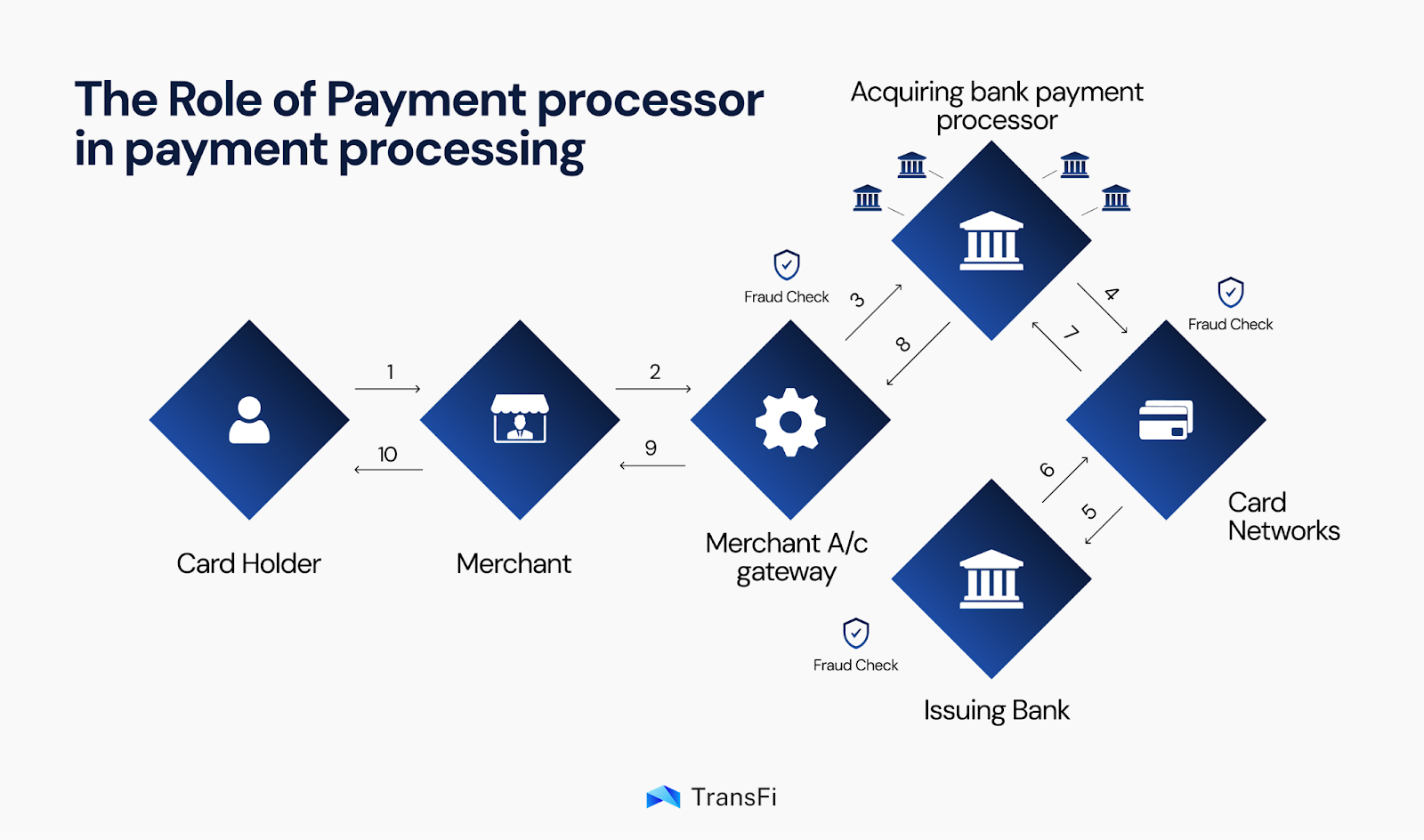
The Foundation of Global Payments for Luxury Retail
What does the Global Payments Company do?
A worldwide payments provider allows stores to do the following:
- Take payments from a lot of places
- Allow multiple currencies for transactions.
- Make sure that rules are complied with and fraud is prevented.
- Provide reporting and settlement in real time.
There are three primary aspects to the Global Payments Foundation:
- Interoperability: It means being able to effortlessly combine different payment methods.
- Security: Obeying AML standards and having better ways to discover fraud
- Scalability: Facilitating high-value transactions worldwide
Global Payments Mission and Vision:
The main purpose of businesses in this industry is to make it easy for people to trade around the world. This includes:
- Giving retailers unified payment systems to make it easier for them
- Making sure that customers have seamless experiences
- Promoting digital revolution in all fields
The Basis of Luxury Retail: Excellent Customer Experience
In luxury stores, the checkout process is part of the brand experience.
Important Parts of Experiences with Luxury Payments:
- You can check out from anywhere in the store with mobile point-of-sale systems.
- Payment by link for purchases made remotely
- Digital wallets may be integrated with just one click.
- Payments that are secret (no delays, no complications)
A real-world example:
Luxury companies like Gucci have made their products more exclusive by letting employees finalise transactions adjacent to consumers using mobile checkout technology.
If you're working on premium checkout experiences, set up a demo with a modern cross-border payment provider to learn how localised payment flows can increase conversions.
International Expansion and Localisation
As luxury brands expand around the world, they need to make sure that payments work in every single location.
The Significance of Localisation:
- Corresponds with local consumer behaviour
- Decreases cart abandonment
Example:
- Chinese people like to use WeChat Pay and Alipay.
- Wallet ecosystems are crucial to Southeast Asia.
- Open banking and cards are prioritised in Europe.
Ecosystem Growth and Global Payment Services Pvt Ltd:
Businesses like Global Payment Services Pvt Ltd and others can help with:
- Wallets with multiple currencies
- Settlements between nations
- Finance skills that are integrated
Various Payment Options in Luxury Retail
What are the four ways to pay for international transactions?
- Paying using a credit card or debit card
- Bank Transfers and Wire Payments
- Digital wallets like Apple Pay and Alipay, etc.
- Cryptocurrency and Stablecoins
People who buy luxury goods often prefer solutions that are both safe and easy to use.
The latest Developments:
- In Asia, digital wallets are very common.
- BNPL is becoming more popular for expensive goods.
- Purchases motivated by exclusivity are made with cryptocurrency.
Why do people buy expensive things?
People buy luxury items for the following reasons:
- Signalling status
- Feeling satisfied
- Limited availability and exclusivity
Payments that are swift, private, and high-end need to support this style of thinking.
Dealing with Security, Compliance, and Fraud
There are several significant fraud concerns in luxury retailing.
Significant Issues:
- Chargebacks for expensive products
- Stealing someone's identity
- Risks of money laundering
Ways to solve:
- Using AI to detect fraud
- Strong mechanisms for KYC and AML
- Systems that keep track of transactions
Following standards like GDPR is highly crucial since you have to protect sensitive consumer data.
Integration of Payments and Omnichannel Transformation
Luxury retail is becoming increasingly available on all channels.
Who helps high-end stores change their digital presence across all channels?
The best consulting firms are:
- McKinsey & Company
- Bain & Company
- BCG
- Deloitte Digital
What do consulting firms for luxury retail do?
- Improving the customer journey
- Transformation of digital commerce
- Integration of payment systems
- Personalisation based on information
The best payment gateways and the competitive landscape
What are the 5 Best Ways to Pay?
Stripe, Adyen, PayPal, Worldpay, Checkout.com
Who is Global Payments' Biggest Competitor?
Major competitors include: Fiserv, Adyen, Stripe, PayPal
These players compete in:
- Global reach
- Technology stack
- Merchant services
The Importance of Modern Solutions Like TransFi
Even though traditional payment processors still hold most of the market, innovative technologies like TransFi are redefining how luxury stores handle payments from other countries.
What Sets TransFi Apart:
- You can send money across borders with stablecoin rails.
- Low-cost international transactions
- Support for multiple currencies in emerging markets
- Immediate settlements
For high-end companies that want to enter into fast-growing markets, TransFi is fantastic since it focuses on speed, cost-effectiveness, and accessibility instead of outdated technologies.
Explore out how TransFi can speed up your checkout experience and make it easier to send money over the world, especially if you're looking to grow premium markets.
Get started right away with TransFi Checkout: Sign up
Important Trends for the Future Market
1. Payment Sustainability:
People like brands that are transparent and equitable. Traceability must be supported by payment systems.
2. Personalisation with AI:
AI makes it feasible to change prices and give offers that are unique to each customer.
3. Business based on immersion:
Payments are included in experiences like events and virtual showrooms.
Future Outlook:
The following things will affect how luxury retail payments work in the future:
- Too much personalisation
- Built-in ecosystems for finance
- Settlements in real time across borders
- Blockchain makes things more transparent and simple.
The Global Payments Steering Group and other groups will keep setting standards for compliance and interoperability.
Luxury brands that invest in flexible, scalable payment systems will perform better than their competitors when they expand into other countries.
Conclusion
In high-end retail, global payments are now a way to make money instead of merely a way to pay for products.
Luxury brands can:
- Ensure that the client experience is better
- Lower transactional friction in high-value transactions
- Make sure to expand your business to other countries
Technology, consumer behaviour, and financial innovation are all coming together to change how luxury commerce works.
Those who adapt early and use platforms like TransFi and modern payment systems will lead the next wave of luxury retail evolution.
TransFi Checkout is ready for you to use right now: Sign Up
FAQs:
1. What kind of work does Global Payments do?
It offers merchant services, payment processing, and software solutions that help businesses take payments from anywhere in the world.
2. Who acquires Global Payments?
You can buy and sell shares of Global Payments on the stock market. The most important stakeholders are funds and institutional investors.
3. What are the four ways to pay for products in other countries?
Digital wallets, bank transfers, and cards are the most prevalent ways.
4. What are the top luxury retail consulting companies?
Some of the greatest companies at helping businesses improve their digital and consumer experiences are McKinsey, Bain, BCG, and Deloitte.
5. What is the psychology behind buying expensive things?
People buy luxury items more for their uniqueness, emotional appeal, and status signalling than for how helpful they are.





.avif)
.avif)



.avif)