










Transferring money internationally has long been costly, slow and full of hidden fees. These transfers often come with intermediary banking fees, long SWIFT processing times and foreign exchange (FX) mark-up when paying overseas employees, remitting money to family, or settling overseas invoices
Today, the way people send money internationally is being transformed by the use of stablecoins. It combines the fast blockchain technology with the price stability of fiat money that allows it to be faster and oftentimes more affordable compared to traditional international payment methods.
Stablecoin remittances are becoming increasingly popular among businesses, freelancers and consumers around the world as it reduces cost and improves payment speed and transparency
This guide will show you how stablecoins work, why they are becoming a preferred method for overseas transfers, and how payment infrastructure providers like TransFi make international payments simple using digital assets like USDC. First, let us take a look at the traditional international payment methods.
Why Traditional International Transfers Are Costly
Sending money internationally has always involved multiple financial institutions.
A normal overseas transfer may include:
- Originating bank fees
- SWIFT network processing
- Correspondent bank charges
- Currency conversion markups
- Receiving bank fees
Each intermediary increases cost and slows down the transaction.
Depending on the destination country, settlement may take anywhere from one to five business days, while hidden FX spreads can significantly reduce the amount the recipient ultimately receives.
For businesses making recurring international payments, these costs quickly add up. Now, let's take a look into stablecoins.
What Are Stablecoins?
Stablecoins are cryptocurrencies that are designed to maintain a stable value by being connected to a traditional asset such as the US Dollar.
Unlike cryptocurrencies that go up and down all the time, stablecoins are meant to minimize price fluctuations, making them more practical for everyday payments and overseas transfers.
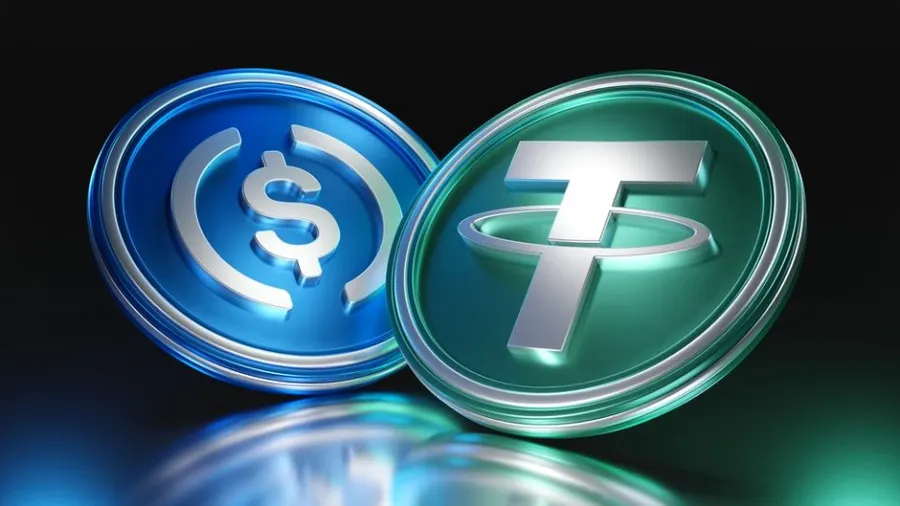
Some of the most used stablecoins include:
- USDC
- USDT
- PYUSD
- EUR-backed stablecoins
As their value stays relatively stable, they are becoming a popular option for global settlements, payroll, remittances and merchant payments.
Why Stablecoins Are Changing International Payments
Traditional banking methods and infrastructure were constructed decades ago and blockchain-based payments such as stablecoins operate very differently.
Stablecoins operate without the involvement of a third party, minimizing the need for a chain of correspondent banks to move money from one network to another.
There are many advantages in using stablecoins for international payments such as:
- Faster Settlement
The speed of transactions made on a stablecoin is significantly faster than those made with conventional methods, since many blockchain networks process transactions in minutes, as opposed to several business days for conventional transactions.
- Reduced Transaction Costs
Transaction fees can be extremely low, especially when compared to traditional transfers, depending on the blockchain on which the transfers are made.
- Improved Transparency
Transactions can be tracked at every step of the process, from initiation to settlement, improving transparency for both businesses and receivers.
- Global Accessibility
Stablecoins can be received by anyone in the world with a compatible digital wallet, no matter their local banking infrastructure.
Choosing the Right Stablecoin
Not every stablecoin serves the same purpose.
Stablecoins are generally evaluated by businesses based on:
- Liquidity
- Regulatory compliance
- Blockchain support
- Transaction costs
- Ecosystem adoption
One of the most popular and trusted stablecoin for business payments is USDC due to its transparency, regulatory focus, and broad ecosystem support.
It is commonly used for:
- Payroll
- Marketplace payouts
- International settlements
- Treasury management
- Cross-border commerce
The role of Leading Platforms in the Digital Assets sector
When companies enter into the digital asset space, they may come across a number of familiar platforms.
- Coinbase
Coinbase offers a variety of digital asset services, such as buying and selling digital assets, including stablecoins like USDC, as well as storage and management.
- Uniswap
Uniswap is a decentralized exchange that allows users to trade the assets it supports directly using a blockchain-based liquidity pool.
- Stripe
Stripe has broadened its financial infrastructure for digital assets, enabling businesses to look into the use of stablecoins in payment experiences across several markets.
Each platform serves a different purpose, while providers like TransFi focus on connecting digital assets with real-world payment infrastructure for collections and payouts.
What Is the Cheapest Stablecoin to Transfer?
The answer to this question depends on the blockchain network used as that matters more than the actual stablecoin used.
Transaction costs vary significantly across networks such as:
- Ethereum
- Solana
- Polygon
- Base
- Arbitrum
Before choosing a network, businesses should evaluate:
- Network fees
- Settlement speed
- Ecosystem support
- Recipient accessibility
Choosing the correct network can significantly reduce transfer costs.
What's the Cheapest Way to Send Money Internationally?
This is one of the most frequently asked questions by businesses, freelancers and individuals making payments around the world.
The answer depends on a number of factors:
- Destination country
- Transfer amount
- Exchange rates
- Payment method
- Processing time
- Currency conversion fees
Wire transfers may seem cheap initially but can become expensive when foreign exchange margins, intermediary bank fees, and processing costs are taken into account.
Many of these costs can be reduced using stablecoin-enabled payment infrastructure by removing the need for intermediaries, and it also provides faster settlement.
Even small savings per transaction can accumulate into huge operational savings over time for businesses that make regular cross-border payments.
Is It Cheaper to Exchange Currency Using Stablecoins?
Stablecoins can lower the general cost of overseas settlements compared to conventional banking methods, in numerous cases.
Instead of moving funds through multiple correspondent banks, stablecoins are moved through blockchain networks before being converted into the recipient's local currency through regulated payment providers.
Potential advantages include:
- Lower transaction costs
- Faster settlement times
- Fewer intermediary fees
- Better transparency
- Improved payment tracking
The total cost may differ, however, depending on the provider's exchange rate, conversion fee, blockchain network, and payout method.
Businesses should always compare the total value that was delivered rather than just focusing on the transaction fees. TransFi provides a transparent breakdown into these aspects, let’s evaluate them.
How to Send Money Internationally Using Stablecoins with TransFi
The process is simpler than what most businesses or people new to digital assets would think.
A typical payment process with a stablecoin is as follows:
Step 1: Acquire Stablecoins
Purchase supported stablecoins such as USDC from a regulated provider or exchange.
Step 2: Initiate the Transfer
Transfer the stablecoins to the recipient's respective wallet or payment service.
Step 3: Currency Conversion
If the recipient needs local currency, TransFi converts the stablecoins at a transparent rate, without the correspondent-bank chain or hidden FX markups typical of wire transfers.
Step 4: Local Settlement
TransFi routes the converted funds into the recipient's bank account, digital wallet, or any other payout option.
This process drastically cuts down the hassle that is often involved with traditional international payments.
Why Businesses Are Moving Toward Stablecoin Payments
The movement towards stablecoin payments has been driven by several factors:
- Fast
- Transparent
- Scalable
- Cost-effective
- Available across several markets
Several issues that have caused hiccups in the payments sector are addressed by stablecoin transactions, such as:
- Faster Global Payroll
Instant international transfers allow overseas employees, contractors and freelancers to receive payments without waiting many business days for a traditional bank transfer.
- Efficient Supplier Payments
Improved payment predictability and lowered settlement delays for businesses working with overseas suppliers.
- Marketplace Payouts
Global platforms are able to pay creators, freelancers and sellers globally from one payment channel.
- Improved Treasury Operations
Stablecoins also make global treasury management easier, as they allow companies to transfer funds from one market to another with ease.
Why TransFi Is Built for Global Stablecoin Payments
Sending stablecoins is just one part of the entire payment process.
Proper infrastructure to convert these digital assets into respective local currencies is needed by businesses that also make sure that funds are received through familiar payment methods.
TransFi offers a comprehensive cross-border payment infrastructure, connecting blockchain networks with traditional financial systems.
Key capabilities include:
- Global Collections and Payouts
Collect payments from foreign buyers and distribute money globally via a single platform.
- Stablecoin-to-Fiat Conversion
Provide transparent pricing and efficient settlement of supported stablecoins to local currencies.
- Local Payment Network Integration
Make immediate payments directly to local bank accounts, mobile wallets and local payment methods in multiple countries.
- Enterprise-Ready APIs
Businesses can integrate global payment capabilities into their own applications using scalable APIs designed for international commerce.
- Transparent Pricing
Reduce uncertainty by minimizing hidden charges that are generally associated with traditional international transfers.
From payments to freelancers, settlement of supplier invoices, and expansion into new markets, TransFi makes money moving across the globe easier.
Best Practices for Stablecoin International Transfers
Businesses should take these practices into consideration before using stablecoins for international payments:
- Select stablecoins that have high liquidity and wide ecosystem support.
- Ensure that recipients are able to receive stablecoin or local fiat payments.
- Before making large transfers, compare blockchain network fees.
- Partner with providers that comply with all regulations
- Track exchange rates when converting between fiat and stablecoins.
- Maintain clear payment records for reconciliation and reporting.
These practices will help enhance operational efficiency and mitigate payment risks.
The Future of International Payments
The payments industry is evolving rapidly around the world.
Stablecoins are no longer seen as a crypto asset and are widely becoming a part of the mainstream payment system.
With regulators clarifying the frameworks and businesses embracing digital payments, stablecoins are expected to be more involved in:
- International payroll
- B2B payments
- Cross-border e-commerce
- Marketplace payouts
- Treasury management
- Global remittances
Stablecoins are not an alternative to traditional banking, but are rather modernizing the way money moves internationally.
Conclusion
Transferring money internationally does not have to be complex, have high costs, and long settlement times anymore.
Stablecoins provide a modern option, bringing together the features of blockchain with price stability, which allows businesses and individuals to transfer funds more rapidly and frequently at a lower cost.
Stablecoins are even stronger when combined with payment infrastructure, such as TransFi. Payments can be collected, digital assets can be converted into local currencies and funds can be distributed through trusted local payment networks, all from one platform.
Stablecoin powered payments combined with TransFi is set to play a key role in the future of international transactions as international trade grows.
Frequently Asked Question
1. Do stablecoins offer a better exchange rate?
Yes, they generally do, particularly in comparison to traditional wire transfers. But, always compare the full cost, taking into account the exchange rates and converting fees.
2. How safe are stablecoin payments?
Stablecoin transactions are processed through blockchain technology, which is known for its transparency. Transactions can be tracked and verified at every step of the process. The wallet and service provider also play an important role in security.
3. Which stablecoin is the most widely used around the world?
USDC has been widely adopted due to its transparency, high liquidity, and compatibility with most payment platforms and financial applications.
4. Do receivers need a crypto wallet to receive these stablecoin payments?
Not always. Payment providers such as TransFi, can convert stablecoins back to local fiat currency, and transfer the funds via local bank accounts or payment methods.
5. What makes TransFi the best option for stablecoin transactions?
TransFi provides all the elements needed to make cross-border payments at scale easier, including global payment infrastructure, stablecoin-to-fiat conversion, local payment integrations, and enterprise-grade APIs.






.avif)
.avif)



.avif)